





- Ronny Mor
- •
- 7 Min Read
- •
- 21 seconds ago


Key Points
- Oracle’s sharp decline highlights growing investor scrutiny of the cost and profitability of AI infrastructure expansion.
- Heavy spending on data centers and computing capacity creates opportunities for long-term growth but raises questions about cash flow and returns.
- Any recovery will depend on evidence that AI-related demand can translate into sustainable revenue, margins and shareholder value.

Oracle’s reported 9% share-price decline amid a broader technology selloff underscores a shift in market sentiment toward companies investing heavily in artificial intelligence. Investors are increasingly weighing the potential scale of AI-driven demand against the capital required to build data centers, expand cloud infrastructure and secure computing capacity, making execution and financial returns central to technology valuations.
AI Infrastructure Spending Faces Greater Scrutiny
Oracle has positioned its cloud infrastructure business to benefit from rising demand for AI computing, including workloads that require substantial processing power and specialized chips. That opportunity, however, requires significant investment in data centers, networking equipment, energy infrastructure and computing hardware. The resulting spending can support future growth while putting pressure on near-term free cash flow and increasing the importance of financing discipline.
For investors, the central question is not simply whether demand for AI infrastructure will grow, but whether Oracle can convert that demand into attractive returns. Large customer commitments and a growing backlog may signal future revenue, yet they do not automatically establish when projects will become profitable or how much additional capital will be needed to deliver them. Construction costs, equipment availability, power requirements and customer concentration can all affect the economics of expansion.
Why a Technology Selloff Matters for Oracle
Oracle’s decline also reflects broader sensitivity across technology stocks as markets reassess the valuations of companies associated with the AI boom. When investor expectations are high, even concerns about spending, delivery schedules or the pace of monetization can trigger sharp share-price adjustments. A wider retreat in technology shares can amplify company-specific pressure as investors reduce exposure to growth-oriented assets.
The market reaction does not, by itself, establish that Oracle’s long-term AI strategy is failing. Instead, it highlights the tension between anticipated growth and the financial burden of achieving it. Investors are likely to distinguish between companies that can fund expansion from recurring operating cash flow and those that must rely more heavily on borrowing, external financing or sustained increases in capital expenditure.
Evaluating the Risks Behind a Potential Recovery
A sharp decline can prompt investors to reassess a company’s valuation, but a lower share price alone does not demonstrate that a stock has become inexpensive. Oracle’s investment case depends on the relationship between future cloud revenue, operating margins, capital expenditure and cash generation. If infrastructure spending rises faster than revenue, returns could disappoint even as demand expands. Conversely, stronger utilization of new capacity and improved operating efficiency could help justify the investment burden over time.
The balance sheet and funding requirements also warrant attention. Large-scale infrastructure commitments can limit financial flexibility if demand slows, projects are delayed or customers change their spending plans. Competition from other cloud providers adds another variable, particularly if pricing pressure reduces the returns available on new capacity.
Investors will be watching Oracle’s next financial updates for evidence of cloud growth, contract conversion, capital-spending trends and free-cash-flow performance. Broader technology-market conditions and the pace of AI adoption will also shape sentiment. A sustained recovery would likely require more than a rebound in share prices: it would require clearer evidence that Oracle’s expanding AI infrastructure can deliver durable growth and attractive financial returns.
Comparison, examination, and analysis between investment houses
Leave your details, and an expert from our team will get back to you as soon as possible
* This article, in whole or in part, does not contain any promise of investment returns, nor does it constitute professional advice to make investments in any particular field.
To read more about the full disclaimer, click here
- sagi habasov
- •
- 8 Min Read
- •
- ago 2 hours
SKN | China is strengthening its position in the global robotics industry, intensifying competition across manufacturing, automation and advanced technology.
China is strengthening its position in the global robotics industry, combining manufacturing scale, domestic technology development and government-backed industrial modernization
- ago 2 hours
- •
- 8 Min Read

China is strengthening its position in the global robotics industry, combining manufacturing scale, domestic technology development and government-backed industrial modernization

- omer bar
- •
- 7 Min Read
- •
- ago 1 day
SKN | Nvidia’s New AI Platform Could Create Growth Opportunities for Honeywell, but Commercial Impact Remains Uncertain
Honeywell Technologies is expanding its industrial automation strategy with Forge Cognition, an artificial intelligence platform introduced on October 14, 2026,
- ago 1 day
- •
- 7 Min Read
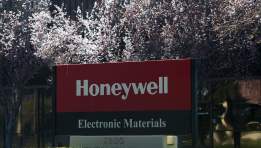
Honeywell Technologies is expanding its industrial automation strategy with Forge Cognition, an artificial intelligence platform introduced on October 14, 2026,
- sagi habasov
- •
- 8 Min Read
- •
- ago 1 day
SKN | U.S. Nuclear Reactor Upgrades Could Add 8 Gigawatts of Power Capacity to the Grid
The United States is looking for ways to expand electricity supply as artificial intelligence infrastructure, data centers and industrial activity
- ago 1 day
- •
- 8 Min Read

The United States is looking for ways to expand electricity supply as artificial intelligence infrastructure, data centers and industrial activity

- Lior mor
- •
- 8 Min Read
- •
- ago 3 days
SKN | Charles Schwab CEO Warns AI Trading Agents Need Clear Rules and Human Oversight
Schwab CEO Calls for Clear Limits on AI Trading The growing use of artificial intelligence in financial services is raising
- ago 3 days
- •
- 8 Min Read

Schwab CEO Calls for Clear Limits on AI Trading The growing use of artificial intelligence in financial services is raising

