


- omer bar
- •
- 5 Min Read
- •
- 12 seconds ago
Key Points
- Oil prices recover modestly following the steepest decline since 2020, influenced by a blockade in the Strait of Hormuz.
- Geopolitical tensions in the Middle East are driving supply concerns, amplifying market volatility.
- Analysts highlight ongoing risks from global demand fluctuations and potential supply disruptions.
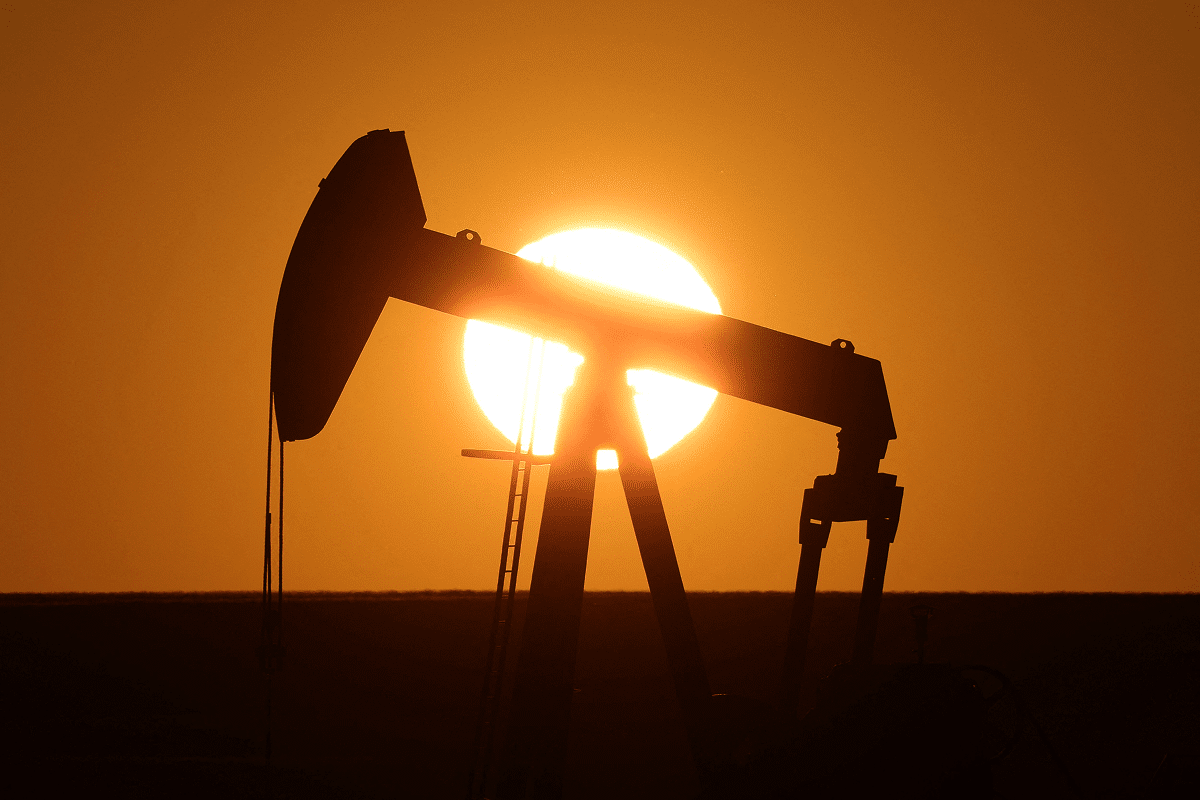
Crude oil prices rebounded slightly after experiencing the sharpest single-day decline since 2020, with traders closely watching developments in the Strait of Hormuz, a critical chokepoint for global oil shipments. The temporary recovery comes as market participants weigh geopolitical tensions against broader economic pressures, including slowing demand growth and inventory fluctuations. The interplay of supply disruptions and macroeconomic uncertainty is creating a volatile backdrop for oil markets worldwide.
Geopolitical Risks and Supply Constraints
The Strait of Hormuz, through which roughly a fifth of global oil exports pass, remains blocked, raising concerns over regional supply shortages. Any sustained disruption in the waterway could exacerbate global energy market pressures, particularly as major economies continue to rely on Middle Eastern crude for industrial and transportation needs. Analysts note that while alternative supply routes exist, they are limited and could not fully offset potential shortfalls, leaving traders sensitive to real-time developments in the region.
Market Reaction and Price Dynamics
Following the initial plunge, Brent crude rose by 2% to $84.30 per barrel, while WTI futures climbed 1.8% to $79.60. The rebound reflects both technical buying and investor anticipation of potential supply bottlenecks. Commodity markets remain highly reactive to geopolitical headlines, and the swift price swings illustrate the fragility of oil supply-demand balance. Traders are monitoring inventory reports, OPEC production updates, and transportation disruptions as key determinants for near-term price movements.
Macro and Strategic Implications
Beyond immediate price volatility, the oil market’s movements carry broader economic implications. Elevated crude costs can feed into inflationary pressures, affecting fuel prices and industrial input costs globally. For energy-intensive economies like Israel, fluctuations in Brent and WTI directly impact local energy expenditures and industrial competitiveness. Investors and corporate treasuries are also recalibrating strategies for exposure to commodities and energy-linked equities, factoring in geopolitical uncertainty and evolving global demand trends.
Looking ahead, market participants will closely monitor developments in the Strait of Hormuz, OPEC production decisions, and broader global economic indicators. Volatility is likely to persist, with supply disruptions and currency fluctuations playing a significant role in oil pricing. Analysts caution that sustained geopolitical tensions or abrupt demand shifts could trigger further price swings, shaping investment and hedging decisions in energy markets worldwide.
Comparison, examination, and analysis between investment houses
Leave your details, and an expert from our team will get back to you as soon as possible
* This article, in whole or in part, does not contain any promise of investment returns, nor does it constitute professional advice to make investments in any particular field.
To read more about the full disclaimer, click here
- omer bar
- •
- 6 Min Read
- •
- ago 5 hours
SKN | Panama Allows First Quantum to Process Stockpiled Copper—A Temporary Relief or Strategic Reset?
Panama’s government has granted First Quantum Minerals permission to process copper concentrate stockpiled at its halted Cobre Panamá mine,
- ago 5 hours
- •
- 6 Min Read

Panama’s government has granted First Quantum Minerals permission to process copper concentrate stockpiled at its halted Cobre Panamá mine,

- sagi habasov
- •
- 7 Min Read
- •
- ago 6 hours
SKN | Will Gold Really Hit $6,000 This Year—or Is the Bull Case Getting Ahead of Reality?
Gold’s explosive rally has reignited one of the biggest questions in markets today: how high can it go—and how fast?
- ago 6 hours
- •
- 7 Min Read

Gold’s explosive rally has reignited one of the biggest questions in markets today: how high can it go—and how fast?
- sagi habasov
- •
- 6 Min Read
- •
- ago 12 hours
SKN | Iran’s Crypto Transit Proposal in Hormuz: Strategic Shift or Escalation Risk for Global Trade?
Iran has reportedly introduced a proposal to impose cryptocurrency-based fees on ships transiting the Strait of Hormuz during a
- ago 12 hours
- •
- 6 Min Read

Iran has reportedly introduced a proposal to impose cryptocurrency-based fees on ships transiting the Strait of Hormuz during a
- sagi habasov
- •
- 5 Min Read
- •
- ago 21 hours
SKN | Trump Announces Two-Week Ceasefire as Iran Commits to Safe Passage Through Strait of Hormuz
The announcement of a temporary ceasefire between the U.S. and Iran marks a notable de-escalation in the Gulf region, signaling
- ago 21 hours
- •
- 5 Min Read
The announcement of a temporary ceasefire between the U.S. and Iran marks a notable de-escalation in the Gulf region, signaling


