





- omer bar
- •
- 7 Min Read
- •
- 16 hours ago
Key Points
- Crude oil prices declined as supply flows through the Strait of Hormuz resumed, easing immediate supply disruption concerns.
- Market sentiment reflects reduced geopolitical risk premium following improved shipping stability in the key energy chokepoint.
- Investors remain focused on OPEC+ policy, regional tensions, and global demand signals shaping the medium-term oil outlook.
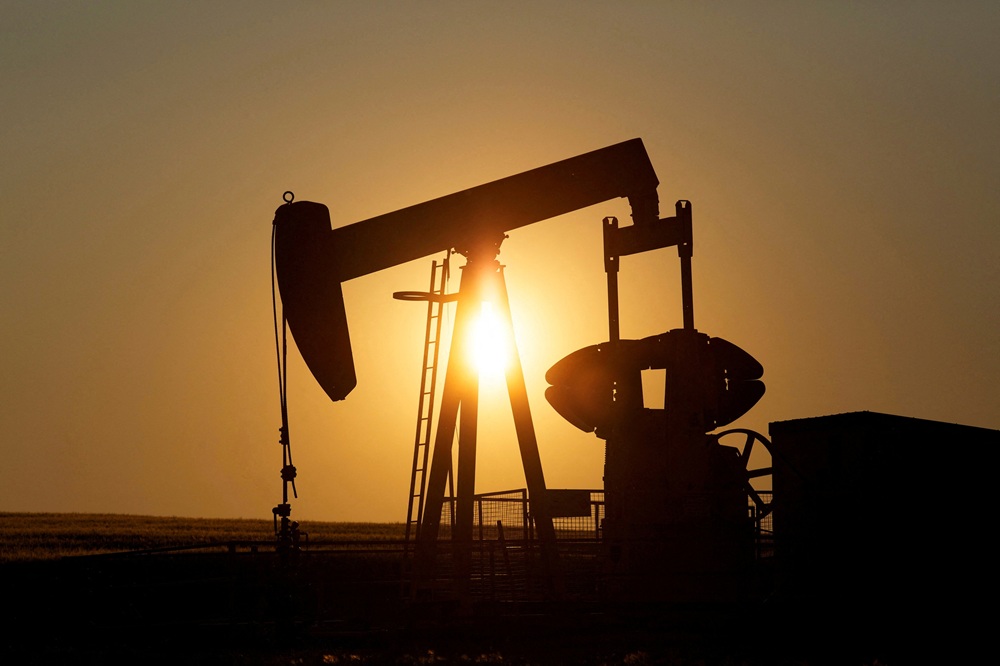
Global oil markets came under renewed pressure as crude prices declined following reports that supply movements through the Strait of Hormuz have resumed. The development eased immediate fears of disruption in one of the world’s most critical energy transit routes, temporarily reducing the geopolitical risk premium embedded in oil pricing. For investors in Israel and global energy markets, the shift highlights how quickly supply chain stability in key maritime corridors can influence commodity valuation dynamics.
Strait of Hormuz Supply Normalization Eases Risk Premium
The Strait of Hormuz, through which roughly a fifth of global oil flows, remains a central chokepoint for global energy security. Any disruption in this corridor typically triggers sharp upward pressure on crude prices due to concerns over supply constraints.
Recent reports indicating the resumption of stable supply flows have led traders to reassess near-term risk exposure, resulting in a decline in oil prices across major benchmarks. While precise figures vary across trading sessions, market participants broadly attribute the move to reduced immediate geopolitical tension rather than a shift in underlying demand fundamentals.
The normalization of shipping activity has effectively reduced short-term scarcity fears, allowing speculative positioning in oil futures to unwind part of the risk premium accumulated during earlier volatility.
Geopolitical Risk Premium and Market Sentiment Adjustment
Oil pricing is heavily influenced not only by physical supply and demand fundamentals but also by geopolitical risk perception. The Strait of Hormuz has historically been a focal point for price volatility due to its strategic importance and vulnerability to regional tensions.
As supply flows stabilize, traders typically reduce hedging against extreme disruption scenarios, which can lead to rapid price adjustments even in the absence of significant changes in global consumption trends. This dynamic reflects the sensitivity of energy markets to geopolitical developments, particularly in the Middle East.
For institutional investors, including those in Israel closely monitoring regional energy and security dynamics, the situation underscores how geopolitical stability can directly translate into commodity market repricing.
OPEC+, Demand Trends, and Structural Supply Considerations
Beyond immediate shipping developments, broader oil market fundamentals continue to be shaped by OPEC+ production policy and global demand trends. The producer alliance remains a key determinant of medium-term supply discipline, with output decisions closely watched by energy traders.
At the same time, global demand signals remain mixed, with industrial activity, transportation fuel consumption, and macroeconomic growth expectations all influencing consumption trajectories. Slower growth environments typically weigh on crude demand, while resilient economic activity supports price stability even in the presence of supply normalization.
Structural shifts in energy transition policies, including increased investment in alternative energy sources, also continue to influence long-term demand expectations, although their short-term impact on pricing remains limited.
Outlook: Volatility Driven by Geopolitics and Supply Discipline
Looking ahead, oil markets are likely to remain highly sensitive to developments in the Strait of Hormuz and broader regional geopolitical conditions. Any renewed disruption in shipping lanes could quickly reintroduce a risk premium, while sustained stability may keep prices anchored around current demand-supply fundamentals.
Key risks include unexpected geopolitical escalation, changes in OPEC+ production strategy, and shifts in global demand linked to macroeconomic conditions in major economies. On the other hand, continued supply normalization and stable shipping conditions could support more predictable pricing behavior in the near term.
For investors in Israel and global energy markets, the recent price decline reinforces a broader theme: oil remains a geopolitical asset class as much as an economic one, where physical supply routes and regional stability continue to play a decisive role in shaping market direction.
Comparison, examination, and analysis between investment houses
Leave your details, and an expert from our team will get back to you as soon as possible
* This article, in whole or in part, does not contain any promise of investment returns, nor does it constitute professional advice to make investments in any particular field.
To read more about the full disclaimer, click here
- orshu
- •
- 8 Min Read
- •
- ago 17 minutes
SKN | Silver Storm Advances La Parrilla Expansion as New Drilling Permits Unlock Growth Potential
Silver Storm Mining has reached an important operational milestone after obtaining the necessary permits to commence drilling activities at
- ago 17 minutes
- •
- 8 Min Read

Silver Storm Mining has reached an important operational milestone after obtaining the necessary permits to commence drilling activities at

- sagi habasov
- •
- 7 Min Read
- •
- ago 3 days
SKN | IPG Photonics Faces Pressure as Industrial Demand Weakens and Growth Outlook Is Reassessed
IPG Photonics Corporation (IPGP) is trading lower in recent sessions as investors react to renewed uncertainty across global industrial demand
- ago 3 days
- •
- 7 Min Read

IPG Photonics Corporation (IPGP) is trading lower in recent sessions as investors react to renewed uncertainty across global industrial demand
- sagi habasov
- •
- 7 Min Read
- •
- ago 3 days
SKN | Oil Markets Search for Direction as Iran Conflict Eases but Hormuz Risks Persist
Oil prices have entered a period of relative stability following sharp fluctuations triggered by tensions involving Iran and concerns over
- ago 3 days
- •
- 7 Min Read

Oil prices have entered a period of relative stability following sharp fluctuations triggered by tensions involving Iran and concerns over

- omer bar
- •
- 5 Min Read
- •
- ago 3 days
SKN | Oil Prices Fall Below $80 Per Barrel for First Time Since March
Oil Extends Sharp Decline Global oil prices continued their retreat on Tuesday, with Brent crude briefly falling below $80 per
- ago 3 days
- •
- 5 Min Read

Oil Extends Sharp Decline Global oil prices continued their retreat on Tuesday, with Brent crude briefly falling below $80 per


