





- sagi habasov
- •
- 7 Min Read
- •
- 17 hours ago
Key Points
- Oil prices have stabilized as traders weigh the potential end of the Iran conflict against lingering uncertainty surrounding shipping through the Strait of Hormuz.
- Energy markets are reassessing geopolitical risk premiums after recent volatility driven by Middle East tensions.
- Investors remain focused on supply disruptions, global demand trends, and the pace of normalization in critical oil transit routes.
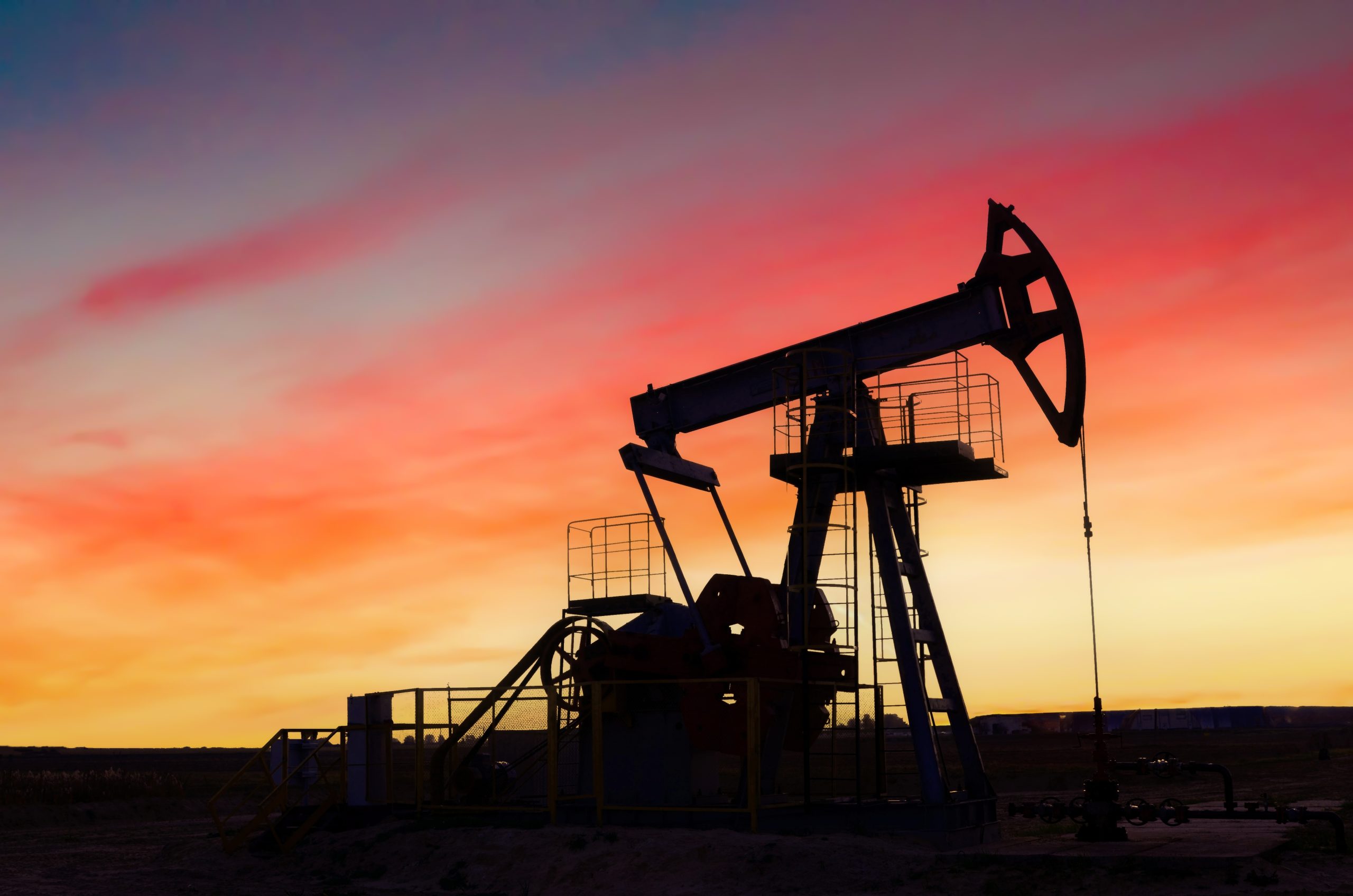
Oil prices have entered a period of relative stability following sharp fluctuations triggered by tensions involving Iran and concerns over maritime security in the Persian Gulf. While signs of de-escalation have reduced fears of an immediate supply shock, uncertainty surrounding the Strait of Hormuz continues to prevent a full removal of the geopolitical risk premium embedded in crude markets. For investors in Israel and globally, the situation remains a key factor influencing energy prices, inflation expectations, and broader market sentiment.
Geopolitical Risk Premium Begins to Fade
Recent trading activity suggests that energy markets are gradually adjusting to the possibility that direct military escalation involving Iran may be nearing an end. Earlier concerns about a prolonged conflict had pushed oil prices higher as traders priced in the risk of supply disruptions from one of the world’s most strategically important energy-producing regions.
As tensions appear to ease, some of that premium has been removed from crude benchmarks. However, market participants remain cautious because geopolitical risks rarely disappear immediately. Energy traders continue to monitor diplomatic developments, regional military activity, and statements from governments involved in the situation.
The stabilization in prices reflects a balance between reduced fears of immediate conflict and lingering uncertainty regarding future regional security conditions.
The Strait of Hormuz Remains a Critical Variable
Despite signs of de-escalation, uncertainty surrounding the Strait of Hormuz remains one of the most significant factors influencing oil market sentiment. The waterway serves as a crucial transit route for a substantial share of global crude oil and liquefied natural gas exports.
Any disruption to shipping activity through the strait can have immediate implications for global energy supplies, transportation costs, and commodity pricing. Even if military tensions ease, investors are assessing how quickly shipping operations can normalize and whether insurers, shipping companies, and energy producers will fully restore previous activity levels.
The market’s cautious approach reflects the strategic importance of the route. Traders understand that supply chains remain vulnerable to unexpected developments, making Hormuz a central focus for energy investors worldwide.
Broader Economic Implications Extend Beyond Energy Markets
Oil price stability carries significant implications for inflation, monetary policy, and corporate profitability. Elevated energy prices can increase transportation and production costs across multiple sectors, influencing consumer prices and central bank decision-making.
For global markets, including Israel, the recent moderation in crude prices offers some relief after concerns that a prolonged Middle East disruption could accelerate inflationary pressures. Lower volatility in energy markets may also reduce uncertainty for manufacturers, airlines, logistics companies, and industrial businesses that are heavily exposed to fuel costs.
At the same time, oil-producing nations and energy companies continue to evaluate how changing geopolitical conditions may influence investment plans and future production strategies.
Outlook: Markets Will Watch Shipping Flows and Demand Trends Closely
Looking ahead, investors will closely monitor developments related to maritime security, shipping activity through the Strait of Hormuz, and any signs of renewed geopolitical tension. Equally important will be global demand indicators from major consuming economies, including the United States, China, and Europe.
Potential upside risks for oil prices include renewed disruptions to shipping routes, unexpected production outages, or stronger-than-expected global economic growth. On the downside, weaker demand, improving supply conditions, or a sustained reduction in geopolitical tensions could place additional pressure on crude prices.
For investors in Israel and around the world, the current environment highlights a recurring reality of energy markets: while immediate fears may ease, strategic chokepoints and geopolitical uncertainty continue to play a major role in shaping oil price expectations and broader financial market dynamics.
Comparison, examination, and analysis between investment houses
Leave your details, and an expert from our team will get back to you as soon as possible
* This article, in whole or in part, does not contain any promise of investment returns, nor does it constitute professional advice to make investments in any particular field.
To read more about the full disclaimer, click here
- sagi habasov
- •
- 7 Min Read
- •
- ago 14 hours
SKN | IPG Photonics Faces Pressure as Industrial Demand Weakens and Growth Outlook Is Reassessed
IPG Photonics Corporation (IPGP) is trading lower in recent sessions as investors react to renewed uncertainty across global industrial demand
- ago 14 hours
- •
- 7 Min Read

IPG Photonics Corporation (IPGP) is trading lower in recent sessions as investors react to renewed uncertainty across global industrial demand

- omer bar
- •
- 5 Min Read
- •
- ago 1 day
SKN | Oil Prices Fall Below $80 Per Barrel for First Time Since March
Oil Extends Sharp Decline Global oil prices continued their retreat on Tuesday, with Brent crude briefly falling below $80 per
- ago 1 day
- •
- 5 Min Read

Oil Extends Sharp Decline Global oil prices continued their retreat on Tuesday, with Brent crude briefly falling below $80 per

- Lior mor
- •
- 7 Min Read
- •
- ago 3 days
SKN | Is Nuclear Energy Becoming the Cornerstone of the Global “All-of-the-Above” Energy Security Strategy?
Global energy markets are undergoing a structural reassessment as governments and utilities adopt an “all-of-the-above” approach to energy security. Within
- ago 3 days
- •
- 7 Min Read
Global energy markets are undergoing a structural reassessment as governments and utilities adopt an “all-of-the-above” approach to energy security. Within
- sagi habasov
- •
- 7 Min Read
- •
- ago 3 days
SKN | Oil Drops Sharply as US–Iran Peace Deal Reopens Strait of Hormuz Supply Route
Oil prices declined sharply in recent trading sessions after reports indicated that the United States and Iran had reached a
- ago 3 days
- •
- 7 Min Read
Oil prices declined sharply in recent trading sessions after reports indicated that the United States and Iran had reached a


