





- Lior mor
- •
- 7 Min Read
- •
- 6 hours ago
Key Points
- Nuclear energy is increasingly central to global “all-of-the-above” energy strategies aimed at strengthening energy security.
- Governments and utilities are reassessing nuclear power alongside renewables and hydrocarbons to stabilize supply and meet rising electricity demand.
- Investors are evaluating nuclear’s role within long-term energy infrastructure amid shifting policy frameworks and decarbonization goals.
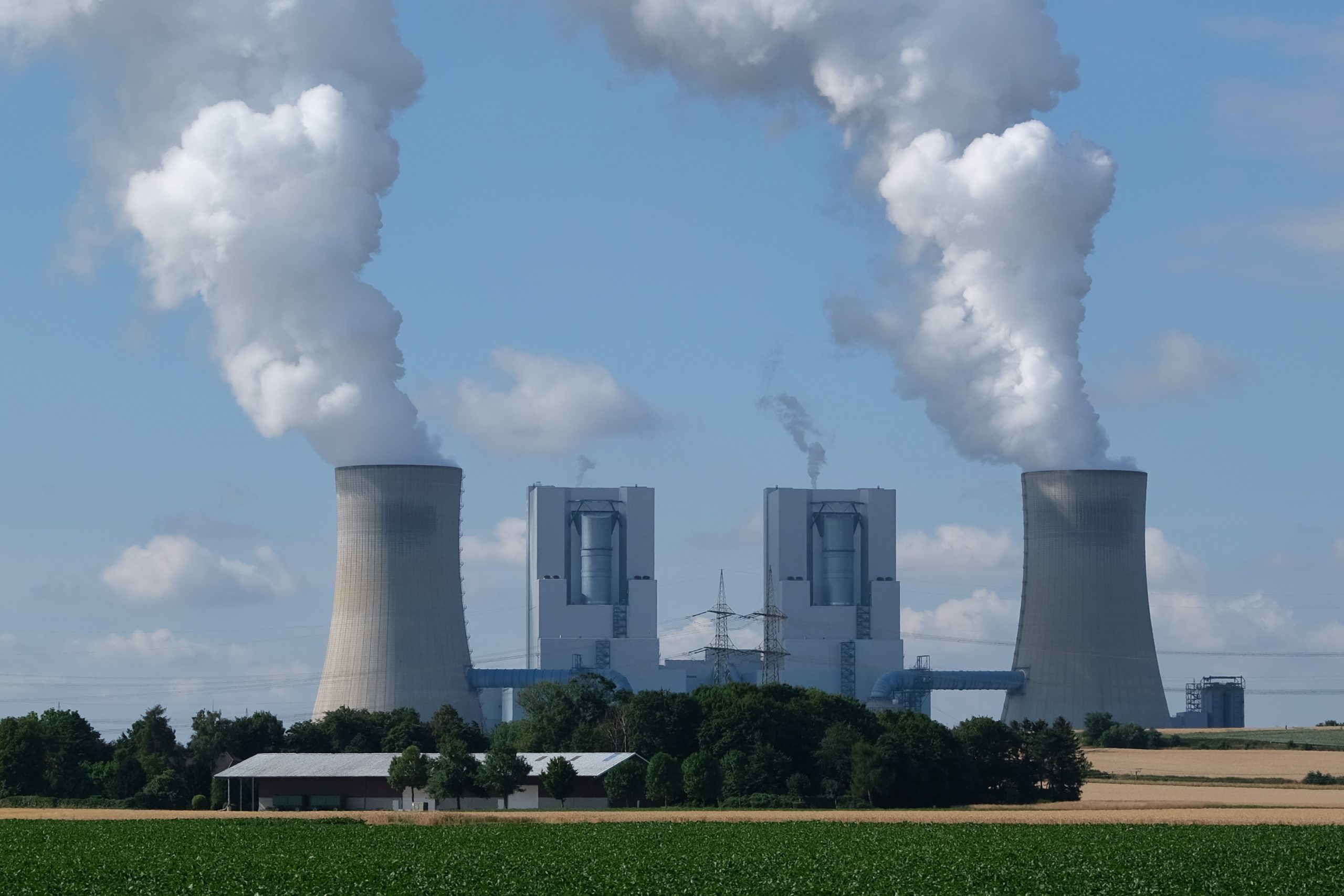
Global energy markets are undergoing a structural reassessment as governments and utilities adopt an “all-of-the-above” approach to energy security. Within this framework, nuclear power is re-emerging as a critical component alongside renewables and traditional fossil fuels, driven by rising electricity demand, decarbonization commitments, and geopolitical concerns over supply stability. For investors in Israel and globally, the renewed focus on nuclear highlights a shift in how long-term energy infrastructure is being evaluated in capital markets.
Nuclear Energy Repositioned in Energy Security Strategy
Nuclear power is increasingly being repositioned as a stable, low-carbon baseload energy source capable of complementing intermittent renewables such as wind and solar. Policymakers in multiple regions are extending the operational life of existing reactors while also revisiting plans for new builds, including small modular reactors (SMRs), which promise lower upfront capital requirements and greater deployment flexibility.
This policy shift reflects a broader concern over energy security following recent disruptions in global fuel markets and heightened geopolitical tensions. Unlike many renewable sources, nuclear generation provides consistent output independent of weather conditions, making it strategically important for grid stability. As a result, nuclear is being integrated into long-term national energy strategies rather than treated as a transitional technology.
Investment Flows Reflect Changing Energy Priorities
Capital markets are increasingly responding to the structural repricing of nuclear energy within the global energy mix. Utilities, engineering firms, and nuclear technology developers are seeing renewed investor interest as governments signal stronger policy support and improved regulatory frameworks.
At the same time, long-duration infrastructure investors are reassessing nuclear projects based on extended revenue visibility and potential policy-backed demand. While financing challenges remain significant due to high initial construction costs and long development timelines, improved sentiment around nuclear’s role in energy transition strategies is gradually influencing capital allocation decisions.
For institutional investors, nuclear exposure is increasingly being evaluated not only through traditional utility investments but also through supply chain components, uranium markets, and advanced reactor technologies.
Balancing Decarbonization Goals with Grid Reliability
The integration of nuclear into broader energy systems reflects an ongoing balancing act between decarbonization objectives and the need for reliable baseload power. While renewable energy continues to expand rapidly, intermittency issues and storage constraints have underscored the importance of complementary energy sources.
Nuclear energy offers a relatively low-carbon alternative capable of providing continuous output, which supports grid resilience during periods of peak demand or renewable shortfalls. However, concerns remain around waste management, regulatory complexity, and project execution risk, all of which continue to influence policy and investor sentiment.
Outlook: Nuclear’s Expanding Role in a Diversified Energy System
Looking ahead, nuclear energy is expected to remain a key component of diversified energy strategies as governments seek to strengthen energy independence while advancing climate goals. Policy support for next-generation reactor technologies, particularly small modular reactors, will be closely watched as a potential catalyst for broader adoption.
Key risks include cost overruns, regulatory delays, and public acceptance challenges, which have historically constrained nuclear expansion. On the opportunity side, sustained electrification trends, rising AI-driven energy demand, and grid stability requirements could further reinforce nuclear’s strategic importance.
For global investors, including those in Israel, the evolving energy landscape underscores a broader structural shift: nuclear energy is moving from the periphery back into the center of long-term energy planning, reshaping how capital markets assess the future of global energy security.
Comparison, examination, and analysis between investment houses
Leave your details, and an expert from our team will get back to you as soon as possible
* This article, in whole or in part, does not contain any promise of investment returns, nor does it constitute professional advice to make investments in any particular field.
To read more about the full disclaimer, click here
- sagi habasov
- •
- 7 Min Read
- •
- ago 7 hours
SKN | Oil Drops Sharply as US–Iran Peace Deal Reopens Strait of Hormuz Supply Route
Oil prices declined sharply in recent trading sessions after reports indicated that the United States and Iran had reached a
- ago 7 hours
- •
- 7 Min Read

Oil prices declined sharply in recent trading sessions after reports indicated that the United States and Iran had reached a

- Lior mor
- •
- 7 Min Read
- •
- ago 8 hours
SKN | Oil Slides as US-Iran Diplomatic Breakthrough Signals Potential Reopening of the Strait of Hormuz
Oil prices extended losses in recent trading sessions after reports indicated that a diplomatic breakthrough between the United States and
- ago 8 hours
- •
- 7 Min Read

Oil prices extended losses in recent trading sessions after reports indicated that a diplomatic breakthrough between the United States and

- orshu
- •
- 7 Min Read
- •
- ago 2 days
SKN | Silver Opens Strong as Geopolitical Tensions Ease: What the Market Reaction Means for Precious Metals
Silver began trading with notable strength on Friday, June 12, 2026, as financial markets reacted to statements by U.S.
- ago 2 days
- •
- 7 Min Read

Silver began trading with notable strength on Friday, June 12, 2026, as financial markets reacted to statements by U.S.
- Lior mor
- •
- 7 Min Read
- •
- ago 3 days
SKN | Gold Heads for Second Weekly Decline as Rate Hike Expectations Weigh on Bullion
Gold Struggles Despite Ongoing Geopolitical Uncertainty Gold hovered around $4,200 per ounce on Friday as investors balanced easing geopolitical concerns
- ago 3 days
- •
- 7 Min Read

Gold Struggles Despite Ongoing Geopolitical Uncertainty Gold hovered around $4,200 per ounce on Friday as investors balanced easing geopolitical concerns


