





- Lior mor
- •
- 6 Min Read
- •
- 1 hour ago
Key Points
- Crude oil prices dropped about 9% to around $78 per barrel after President Donald Trump announced that negotiations with Iran would begin.
- Markets reacted to reduced concerns over immediate supply disruptions in the Middle East, lowering the geopolitical risk premium in energy markets.
- Investors are monitoring diplomatic developments, OPEC+ policy, inflation trends, and the broader impact of energy prices on global markets.
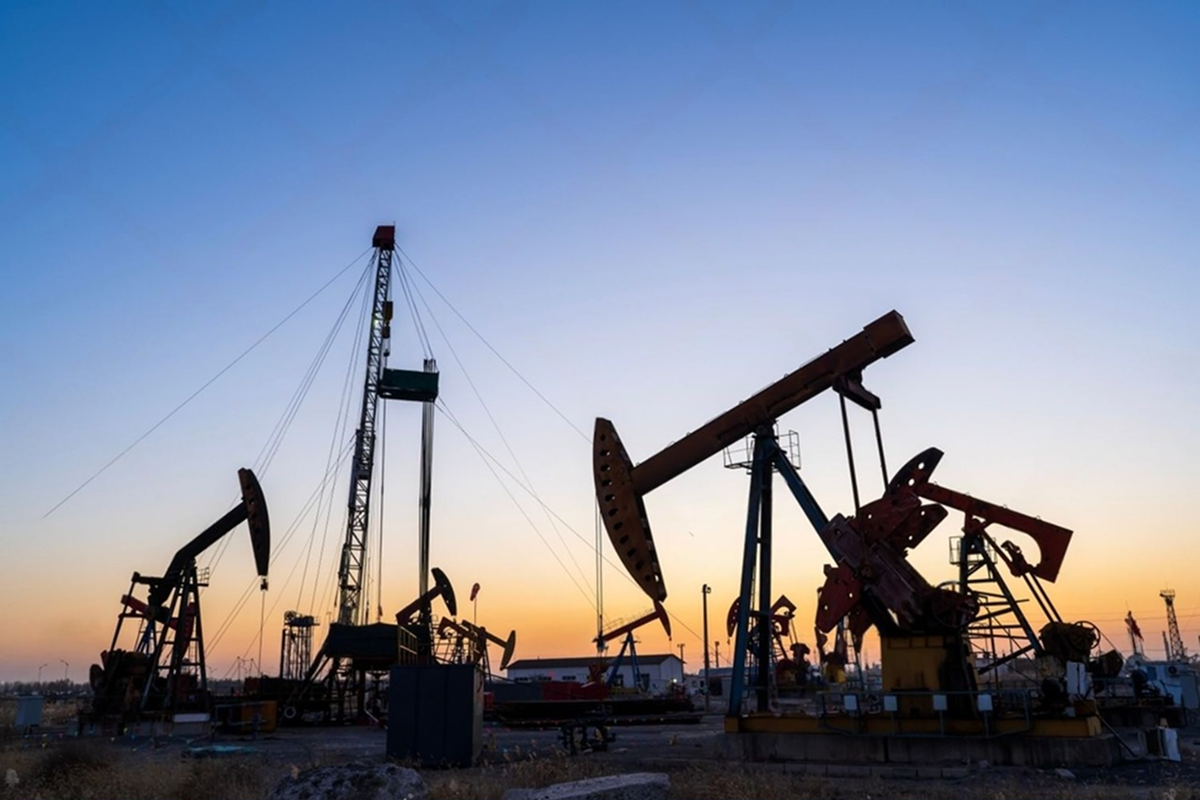
Oil prices fell sharply after President Donald Trump said negotiations with Iran were expected to begin on Monday, easing concerns over a potential escalation in the Middle East that could disrupt global energy supplies. The decline, which pushed crude prices down approximately 9% to around $78 per barrel, reflects a rapid reassessment by markets of geopolitical risks and the potential outlook for global oil availability.
Iran Negotiations Reduce Immediate Supply Concerns
The sharp move lower in oil prices came as traders adjusted expectations regarding the likelihood of a military confrontation involving Iran and the potential impact on major energy routes. Iran plays a significant role in global energy markets due to its oil production capacity and its strategic position near the Strait of Hormuz, one of the world’s most important oil shipping corridors.
Prior to Trump’s comments, concerns over possible disruptions had contributed to higher oil prices as investors priced in the possibility of supply shortages. The announcement of planned negotiations reduced some of those fears, leading traders to remove part of the geopolitical premium that had been built into crude prices.
However, market participants remain cautious because diplomatic negotiations can develop unpredictably. Any renewed tensions, failed talks, or regional instability could quickly return pressure to energy markets.
Energy Markets Reassess Inflation and Global Growth Outlook
The decline in oil prices has broader implications beyond the energy sector. Lower crude prices can reduce inflationary pressure by lowering transportation, manufacturing, and energy costs for businesses and consumers. This could influence expectations regarding monetary policy decisions by major central banks, including the Federal Reserve.
For global equity markets, weaker oil prices may create different effects across sectors. Energy producers could face pressure from lower commodity prices, while industries sensitive to fuel costs, including transportation and manufacturing, may benefit from reduced expenses.
At the same time, oil demand remains closely linked to global economic conditions. Concerns over slower growth, particularly in major economies such as China and Europe, continue influencing expectations for future energy consumption.
Implications for Global Markets and Israeli Investors
Commodity price movements remain an important factor for investors worldwide because energy costs influence inflation, corporate profitability, currencies, and consumer spending patterns. The recent oil decline highlights how quickly markets can respond to changes in geopolitical expectations.
For investors in Israel, developments in global energy markets carry particular importance due to the country’s regional location and exposure to international commodity trends. Changes in oil prices can affect inflation expectations, transportation costs, industrial activity, and companies operating across energy-related sectors.
Israeli investors also monitor global energy developments because they can influence broader market sentiment, currency movements, and the performance of international equity markets. Stability in energy prices may reduce uncertainty for businesses and investors, although geopolitical risks remain a significant factor.
Looking ahead, markets will closely follow the progress of U.S.-Iran negotiations, potential changes in regional tensions, OPEC+ production decisions, and global demand trends. The direction of oil prices will likely depend on whether diplomatic efforts lead to sustained stability or whether new geopolitical risks emerge in the months ahead.
Comparison, examination, and analysis between investment houses
Leave your details, and an expert from our team will get back to you as soon as possible
* This article, in whole or in part, does not contain any promise of investment returns, nor does it constitute professional advice to make investments in any particular field.
To read more about the full disclaimer, click here
- sagi habasov
- •
- 7 Min Read
- •
- ago 3 hours
SKN | Gold Climbs While Oil Retreats as Markets Reassess Geopolitical Risks Following Trump’s Iran Decision
Gold prices moved higher while crude oil retreated after reports indicated that U.S. President Donald Trump chose not to proceed
- ago 3 hours
- •
- 7 Min Read

Gold prices moved higher while crude oil retreated after reports indicated that U.S. President Donald Trump chose not to proceed

- omer bar
- •
- 7 Min Read
- •
- ago 2 days
SKN | Oil Prices Rise as Iran Tensions Raise New Concerns Over Strait of Hormuz Energy Flows
Global oil markets moved higher on July 31 after Iran said its forces had stopped two vessels attempting to
- ago 2 days
- •
- 7 Min Read

Global oil markets moved higher on July 31 after Iran said its forces had stopped two vessels attempting to

- Lior mor
- •
- 6 Min Read
- •
- ago 5 days
SKN | Oil Prices Sink to a Two-Week Low as Easing U.S.-Iran Tensions Shift Market Focus
Oil prices fell sharply to a two-week low after several days passed without reported military strikes between the United States
- ago 5 days
- •
- 6 Min Read

Oil prices fell sharply to a two-week low after several days passed without reported military strikes between the United States

- Arik Arkadi Sluzki
- •
- 6 Min Read
- •
- ago 5 days
SKN | U.S. Crude Oil Falls Below $80 as Middle East Diplomacy Eases Supply Concerns
U.S. crude oil retreated below the psychologically important $80-per-barrel level during the week as reports that Iran had engaged
- ago 5 days
- •
- 6 Min Read
U.S. crude oil retreated below the psychologically important $80-per-barrel level during the week as reports that Iran had engaged


