





- Lior mor
- •
- 6 Min Read
- •
- 19 hours ago
Key Points
- Oil prices dropped about 5%, reaching their lowest level in two weeks after several days passed without reported U.S.-Iran military strikes.
- Investors are shifting attention from geopolitical risks to global oil demand, OPEC+ production policy, and macroeconomic conditions.
- Energy markets remain highly sensitive to any renewed escalation in the Middle East, as well as inventory data and central bank decisions.
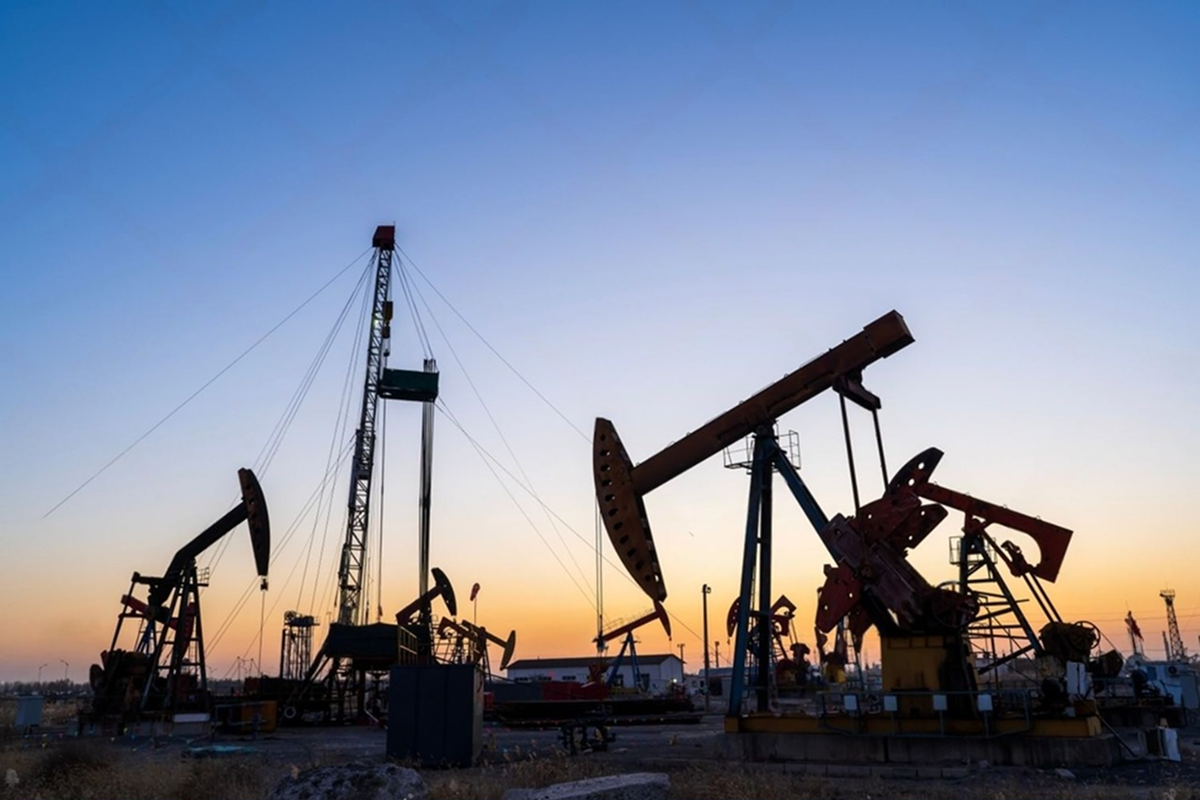
Oil prices fell sharply to a two-week low after several days passed without reported military strikes between the United States and Iran, reducing the geopolitical risk premium that had recently supported crude prices. The decline reflects a shift in investor sentiment as immediate supply disruption concerns eased, allowing broader economic and market fundamentals to regain prominence.
Geopolitical Premium Fades as Immediate Tensions Ease
The latest decline in crude prices highlights how quickly energy markets react to changes in geopolitical expectations. The absence of new military action involving the United States and Iran encouraged traders to unwind some of the risk premium that had been built into oil prices during heightened regional tensions.
The Middle East remains one of the world’s most important oil-producing regions, with critical shipping routes such as the Strait of Hormuz handling a significant portion of global crude exports. Any disruption to maritime traffic or energy infrastructure can have an immediate impact on prices. However, as fears of an imminent escalation diminished, traders reassessed the likelihood of short-term supply interruptions.
Despite the recent decline, market participants remain cautious, recognizing that geopolitical developments can change rapidly and restore volatility to global energy markets.
Supply and Demand Fundamentals Return to Center Stage
With geopolitical concerns temporarily easing, investors are once again focusing on the underlying balance between oil supply and global demand. OPEC+ production policy remains a major influence on pricing, particularly as the alliance continues managing output to support market stability.
At the same time, analysts are closely monitoring U.S. crude inventory reports, shale production levels, and refinery activity for additional signals regarding supply conditions. On the demand side, global economic growth expectations continue shaping forecasts for fuel consumption across transportation, manufacturing, and industrial sectors.
Monetary policy is also playing an important role. Expectations surrounding interest rates in major economies influence economic activity, business investment, and consumer spending, all of which affect future oil demand.
Implications for Global Markets and Israeli Investors
Oil prices influence far more than the energy sector. Lower crude prices can reduce inflationary pressures, ease transportation and manufacturing costs, and affect corporate profitability across industries ranging from airlines and logistics to chemicals and consumer goods.
For investors in Israel, developments in global oil markets remain particularly significant because energy prices influence inflation expectations, import costs, and broader market sentiment. Israel’s institutional investors and asset managers also monitor commodity markets as part of globally diversified portfolios, where changes in oil prices can affect both equity and fixed-income allocations.
The recent decline also serves as a reminder that financial markets continue balancing geopolitical developments with broader macroeconomic trends, making crude oil one of the most closely watched global assets.
Looking ahead, investors will monitor whether the current period of relative geopolitical calm continues or whether renewed tensions return risk premiums to oil markets. Attention will also remain focused on OPEC+ production decisions, U.S. inventory data, global economic indicators, and central bank policy. Together, these factors will help determine whether crude prices stabilize near current levels or begin another period of heightened volatility.
Comparison, examination, and analysis between investment houses
Leave your details, and an expert from our team will get back to you as soon as possible
* This article, in whole or in part, does not contain any promise of investment returns, nor does it constitute professional advice to make investments in any particular field.
To read more about the full disclaimer, click here
- Arik Arkadi Sluzki
- •
- 6 Min Read
- •
- ago 1 day
SKN | U.S. Crude Oil Falls Below $80 as Middle East Diplomacy Eases Supply Concerns
U.S. crude oil retreated below the psychologically important $80-per-barrel level during the week as reports that Iran had engaged
- ago 1 day
- •
- 6 Min Read

U.S. crude oil retreated below the psychologically important $80-per-barrel level during the week as reports that Iran had engaged

- sagi habasov
- •
- 6 Min Read
- •
- ago 2 days
SKN | Oil Prices Slip 1% as Markets Assess Reported Pause in U.S. Strikes on Iran and Geopolitical Risk
Oil prices moved lower after reports suggested a pause in U.S. strikes on Iran, prompting investors to reassess the immediate
- ago 2 days
- •
- 6 Min Read

Oil prices moved lower after reports suggested a pause in U.S. strikes on Iran, prompting investors to reassess the immediate

- Lior mor
- •
- 6 Min Read
- •
- ago 2 days
SKN | The Gulf Risk Premium Dissolution Matrix: US-Iran Truce Triggers Crude Oil De-Rating as Spot Gold Reclaims the $4,100 Threshold
Systemic realignments across global commodity exchanges, foreign exchange clearings, and sovereign debt curves recorded a sharp risk-on inversion on July
- ago 2 days
- •
- 6 Min Read

Systemic realignments across global commodity exchanges, foreign exchange clearings, and sovereign debt curves recorded a sharp risk-on inversion on July

- omer bar
- •
- 6 Min Read
- •
- ago 3 days
SKN | Gold Climbs More Than 1% as Falling Oil Prices Reflect Easing U.S.-Iran Tensions
Gold prices advanced by more than 1% while crude oil prices retreated sharply after signs of a pause in fighting
- ago 3 days
- •
- 6 Min Read

Gold prices advanced by more than 1% while crude oil prices retreated sharply after signs of a pause in fighting


