





- omer bar
- •
- 6 Min Read
- •
- 2 days ago
Key Points
- Gold prices rose more than 1% as investors repositioned portfolios while oil prices declined following a pause in hostilities between the United States and Iran.
- Lower crude oil prices eased immediate inflation concerns, while gold continued to attract demand as investors maintained exposure to defensive assets.
- Markets remain focused on geopolitical developments, energy prices, central bank policy, and broader global economic risks.
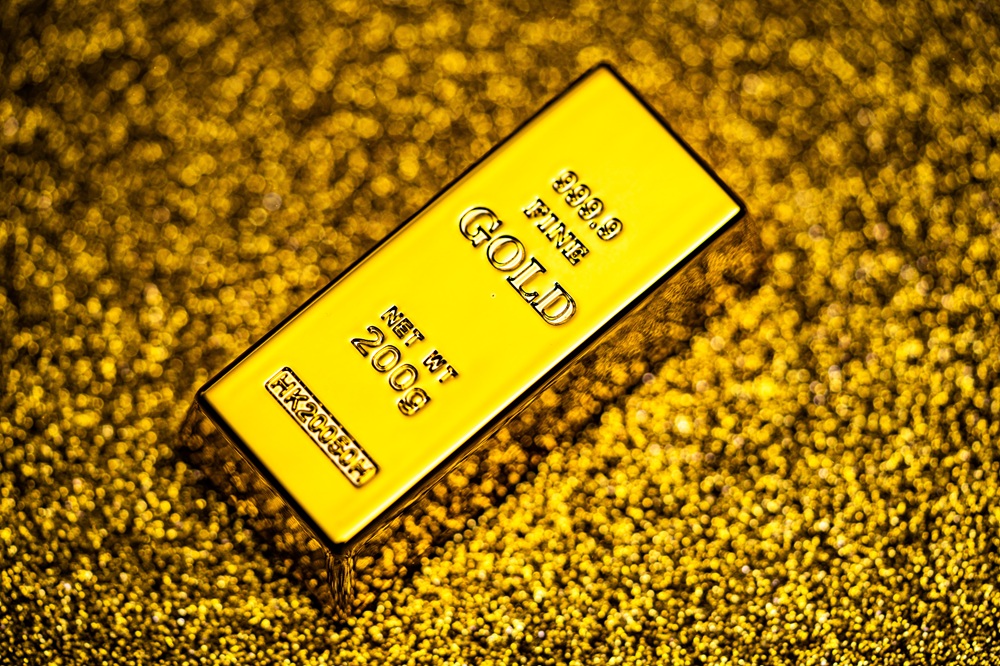
Gold prices advanced by more than 1% while crude oil prices retreated sharply after signs of a pause in fighting between the United States and Iran reduced immediate concerns over potential disruptions to global energy supplies. The contrasting moves highlight how investors continue balancing geopolitical uncertainty with shifting expectations for inflation, monetary policy, and global economic growth.
Gold Benefits from Defensive Positioning Despite Lower Energy Prices
Gold extended gains even as oil prices declined, demonstrating that investors continue to value the precious metal as a portfolio hedge during periods of geopolitical uncertainty. Although easing tensions reduced fears of an immediate supply shock in the energy market, many market participants maintained allocations to gold while awaiting greater clarity on diplomatic and military developments.
Traditionally, gold performs well during periods of uncertainty because it is viewed as a store of value that can help diversify portfolios during market volatility. Lower oil prices may also reduce inflation expectations over time, but persistent geopolitical risks continue to support demand for defensive assets.
The relationship between gold and oil is often complex. While higher energy prices can increase inflationary pressures and support gold, a decline in crude does not necessarily weaken bullion if investors remain concerned about broader geopolitical or financial risks.
Oil Retreat Signals Reduced Supply Concerns but Uncertainty Remains
Crude oil prices fell after reports indicated a pause in hostilities, easing fears that military escalation could disrupt production or transportation through key Middle Eastern energy routes. Energy markets had previously priced in a higher geopolitical risk premium as investors evaluated the possibility of supply interruptions.
Despite the decline, analysts note that oil markets remain sensitive to developments involving major producers and strategic shipping lanes. Any renewed escalation could quickly reverse recent price movements, particularly if infrastructure or export routes become affected.
Lower energy prices may provide some relief for businesses and consumers by reducing fuel costs, potentially easing inflation pressures in economies that remain sensitive to imported energy prices.
Global Market Implications for Investors
The divergence between rising gold prices and falling oil underscores the complexity of today’s investment environment. Investors are simultaneously evaluating geopolitical risks, inflation trends, central bank policies, and global growth prospects, all of which influence capital flows across commodity and financial markets.
For investors in Israel, developments in gold and energy markets are particularly relevant because regional geopolitical events can affect commodity prices, currencies, inflation expectations, and investor sentiment. Israeli financial markets are closely connected to global capital flows, making international commodity movements an important consideration for portfolio analysis.
Commodity market volatility also affects sectors such as mining, energy, transportation, and manufacturing, where changing input costs can influence corporate profitability and broader economic activity.
Looking ahead, investors will closely monitor diplomatic developments between the United States and Iran, crude oil inventory data, OPEC+ production policy, central bank communications, and global inflation indicators. Whether geopolitical tensions continue to ease or re-emerge will likely remain a key factor shaping commodity prices and broader market sentiment in the coming months.
Comparison, examination, and analysis between investment houses
Leave your details, and an expert from our team will get back to you as soon as possible
* This article, in whole or in part, does not contain any promise of investment returns, nor does it constitute professional advice to make investments in any particular field.
To read more about the full disclaimer, click here
- Arik Arkadi Sluzki
- •
- 6 Min Read
- •
- ago 4 hours
SKN | U.S. Crude Oil Falls Below $80 as Middle East Diplomacy Eases Supply Concerns
U.S. crude oil retreated below the psychologically important $80-per-barrel level during the week as reports that Iran had engaged
- ago 4 hours
- •
- 6 Min Read
U.S. crude oil retreated below the psychologically important $80-per-barrel level during the week as reports that Iran had engaged

- sagi habasov
- •
- 6 Min Read
- •
- ago 19 hours
SKN | Oil Prices Slip 1% as Markets Assess Reported Pause in U.S. Strikes on Iran and Geopolitical Risk
Oil prices moved lower after reports suggested a pause in U.S. strikes on Iran, prompting investors to reassess the immediate
- ago 19 hours
- •
- 6 Min Read
Oil prices moved lower after reports suggested a pause in U.S. strikes on Iran, prompting investors to reassess the immediate

- Lior mor
- •
- 6 Min Read
- •
- ago 20 hours
SKN | The Gulf Risk Premium Dissolution Matrix: US-Iran Truce Triggers Crude Oil De-Rating as Spot Gold Reclaims the $4,100 Threshold
Systemic realignments across global commodity exchanges, foreign exchange clearings, and sovereign debt curves recorded a sharp risk-on inversion on July
- ago 20 hours
- •
- 6 Min Read

Systemic realignments across global commodity exchanges, foreign exchange clearings, and sovereign debt curves recorded a sharp risk-on inversion on July
- Lior mor
- •
- 7 Min Read
- •
- ago 3 days
SKN | Gold Bullion or Silver Miners? Understanding Two Very Different Precious Metals Strategies
Precious metals remain an important component of diversified investment portfolios, particularly during periods of inflation uncertainty, geopolitical tensions, and
- ago 3 days
- •
- 7 Min Read
Precious metals remain an important component of diversified investment portfolios, particularly during periods of inflation uncertainty, geopolitical tensions, and


