





- sagi habasov
- •
- 7 Min Read
- •
- 1 hour ago
Key Points
- Gold prices advanced while oil prices weakened after reports that U.S. President Donald Trump delayed potential military action against Iran.
- Investors shifted toward traditional safe-haven assets while reassessing the likelihood of supply disruptions in global energy markets.
- Markets remain focused on geopolitical developments, central bank expectations, and the potential impact on inflation, commodities, and global risk sentiment.

Gold prices moved higher while crude oil retreated after reports indicated that U.S. President Donald Trump chose not to proceed immediately with a potential military strike against Iran. The contrasting moves highlight how financial markets are recalibrating geopolitical risk, with investors balancing reduced fears of an immediate supply shock against continued uncertainty in the Middle East.
Gold Benefits From Ongoing Demand for Safe-Haven Assets
Gold strengthened as investors maintained exposure to defensive assets despite easing concerns over an imminent military escalation. The precious metal has historically attracted capital during periods of geopolitical uncertainty because it is viewed as a store of value that is less directly exposed to economic or corporate risks.
The latest market reaction suggests that while the decision to postpone military action reduced immediate fears of a broader regional conflict, investors remain cautious about the possibility of renewed tensions. Uncertainty surrounding diplomacy, regional security, and potential future policy decisions continues to support demand for gold alongside other traditional safe-haven assets such as U.S. Treasury securities and the U.S. dollar.
Gold’s outlook also remains closely linked to monetary policy expectations. Should geopolitical uncertainty weigh on economic activity, markets may increasingly evaluate how central banks—including the Federal Reserve—could adjust future interest-rate policy.
Oil Prices Retreat as Immediate Supply Concerns Ease
Crude oil prices declined as traders reassessed the probability of near-term disruptions to global energy supplies. Previous concerns that military action involving Iran could threaten production facilities or critical shipping routes had contributed to higher risk premiums across energy markets.
With no immediate strike taking place, some of that geopolitical premium faded, leading to profit-taking in oil markets. Nevertheless, energy traders remain highly sensitive to developments involving the Strait of Hormuz and other strategic transport corridors, where any disruption could quickly tighten global crude supplies and influence inflation expectations.
Beyond geopolitics, oil prices continue to be shaped by broader market fundamentals, including OPEC+ production policy, global economic growth, Chinese energy demand, and inventory trends in major consuming economies.
Global Market Implications for Investors, Including Israel
The divergent performance of gold and oil demonstrates how investors adjust portfolios in response to changing geopolitical risks rather than reacting solely to economic indicators. Commodity price movements frequently influence inflation forecasts, bond yields, equity valuations, and currency markets, making them important indicators for institutional and retail investors alike.
For investors in Israel, developments in energy and precious metals markets are particularly significant given the country’s location in the Middle East and its exposure to global commodity pricing. Fluctuations in oil prices can affect transportation costs, inflation expectations, and corporate operating expenses, while stronger gold prices may influence portfolio diversification strategies during periods of elevated uncertainty.
At the same time, Israeli companies operating in energy technology, industrial manufacturing, logistics, and commodity-sensitive industries continue to monitor geopolitical developments that could alter regional trade flows or global investment sentiment.
Looking ahead, investors will closely monitor diplomatic developments involving Iran, U.S. foreign policy decisions, oil supply conditions, and central bank communications. Market participants will also assess whether geopolitical tensions remain contained or intensify, as these factors are likely to shape commodity prices, inflation expectations, and broader financial market performance in the weeks ahead.
Comparison, examination, and analysis between investment houses
Leave your details, and an expert from our team will get back to you as soon as possible
* This article, in whole or in part, does not contain any promise of investment returns, nor does it constitute professional advice to make investments in any particular field.
To read more about the full disclaimer, click here
- omer bar
- •
- 7 Min Read
- •
- ago 2 days
SKN | Oil Prices Rise as Iran Tensions Raise New Concerns Over Strait of Hormuz Energy Flows
Global oil markets moved higher on July 31 after Iran said its forces had stopped two vessels attempting to
- ago 2 days
- •
- 7 Min Read
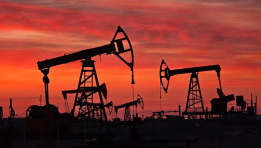
Global oil markets moved higher on July 31 after Iran said its forces had stopped two vessels attempting to

- Lior mor
- •
- 6 Min Read
- •
- ago 5 days
SKN | Oil Prices Sink to a Two-Week Low as Easing U.S.-Iran Tensions Shift Market Focus
Oil prices fell sharply to a two-week low after several days passed without reported military strikes between the United States
- ago 5 days
- •
- 6 Min Read

Oil prices fell sharply to a two-week low after several days passed without reported military strikes between the United States

- Arik Arkadi Sluzki
- •
- 6 Min Read
- •
- ago 5 days
SKN | U.S. Crude Oil Falls Below $80 as Middle East Diplomacy Eases Supply Concerns
U.S. crude oil retreated below the psychologically important $80-per-barrel level during the week as reports that Iran had engaged
- ago 5 days
- •
- 6 Min Read
U.S. crude oil retreated below the psychologically important $80-per-barrel level during the week as reports that Iran had engaged

- sagi habasov
- •
- 6 Min Read
- •
- ago 6 days
SKN | Oil Prices Slip 1% as Markets Assess Reported Pause in U.S. Strikes on Iran and Geopolitical Risk
Oil prices moved lower after reports suggested a pause in U.S. strikes on Iran, prompting investors to reassess the immediate
- ago 6 days
- •
- 6 Min Read
Oil prices moved lower after reports suggested a pause in U.S. strikes on Iran, prompting investors to reassess the immediate


