





- omer bar
- •
- 7 Min Read
- •
- 26 seconds ago


Key Points
- Crude prices recover after an early decline: Brent crude rose 0.4% to $116.24 per barrel on Tuesday, while US West Texas Intermediate gained 0.3% to $102.07, reversing earlier losses of approximately 1%.
- Diplomatic efforts offer limited relief: Saudi Arabia, Turkey, Pakistan and Iran agreed to continue discussions aimed at strengthening regional peace and security, easing some concerns about a broader disruption to Middle East energy supplies.
- Supply risks remain elevated: Renewed Houthi attacks on Saudi Arabia, increased maritime security incidents near the Strait of Hormuz and reduced Gulf exports continue to expose oil markets to potential supply disruptions.

Oil Prices Recover as Traders Assess Diplomatic Progress
Oil prices moved higher on Tuesday after falling approximately 1% earlier in the session, as investors weighed the possibility of renewed diplomacy against persistent security risks across the Middle East.
Brent crude futures rose 40 cents, or 0.4%, to $116.24 per barrel by 0718 GMT. US West Texas Intermediate increased 30 cents, or 0.3%, to $102.07.
The recovery followed recent gains that pushed Brent above $117 per barrel last week, its highest level since April. The benchmark also touched $117 on Monday as concerns about Iranian attacks on tankers near the Strait of Hormuz intensified.
The latest price movements reflect competing market forces. Prospects for diplomatic engagement have encouraged some profit-taking, while continued attacks and constrained energy flows have limited the scope for a sustained decline.
Regional Talks Raise Hopes for De-escalation
Saudi Arabia, Turkey and Pakistan held discussions with Iranian officials in Tehran on Monday in an effort to ease regional tensions. Iranian state media reported that the four countries agreed to continue talks aimed at strengthening cooperation on peace and security.
The discussions have provided a potential diplomatic channel at a time when oil markets remain highly sensitive to developments involving Iran and neighboring energy-producing countries.
However, the prospects for a broader settlement remain uncertain. Renewed attacks by Iran-aligned Houthi militants on Saudi Arabia have underscored the fragility of the security situation.
Market participants are therefore weighing the possibility of progress in diplomacy against the risk that further military escalation could threaten production, transportation and exports.
Strait of Hormuz Remains a Critical Supply Risk
The Strait of Hormuz remains central to the global energy outlook. Before the conflict began in February, the narrow waterway carried approximately one-fifth of global energy supplies, making it a strategically important route for international oil and gas markets.
October was reported as the worst month for attacks on commercial shipping in the Strait of Hormuz and nearby waterways among maritime security incidents tracked since 2017, according to data from a Washington-based think tank.
The increased threat to shipping has raised concerns about the reliability of energy transportation through the region. Even without a complete closure of the waterway, security risks and logistical constraints can reduce flows and increase costs for producers and buyers.
Export Declines Tighten Market Conditions
ANZ Research said the oil market remained vulnerable to pressure across supply, logistics, inventories and refining.
Gulf crude exports had declined for a fourth consecutive week, while flows through the Strait of Hormuz were approximately 60% of their normal level. Global distillate inventories were also nearly 5% below their five-year average.
These conditions suggest that the market has limited room to absorb additional disruptions without renewed upward pressure on prices. Reduced exports and below-average inventories could amplify the effects of further attacks or delays to shipping.
The combination of constrained flows and persistent geopolitical uncertainty has helped keep crude prices elevated despite intermittent optimism about diplomatic progress.
What Oil Markets Should Watch Next
The direction of oil prices will depend on whether regional talks produce meaningful de-escalation and whether attacks on Saudi infrastructure and commercial shipping continue.
Investors will also monitor export volumes, shipping flows through the Strait of Hormuz and global refined-product inventories. A sustained improvement in security could ease the geopolitical risk premium, while further disruptions could tighten supply conditions and support higher prices.
For now, diplomacy offers a potential route toward stabilization, but the latest supply and security indicators suggest that significant risks remain.
Comparison, examination, and analysis between investment houses
Leave your details, and an expert from our team will get back to you as soon as possible
* This article, in whole or in part, does not contain any promise of investment returns, nor does it constitute professional advice to make investments in any particular field.
To read more about the full disclaimer, click here
- omer bar
- •
- 7 Min Read
- •
- ago 1 day
SKN | European Natural Gas Prices Surge Above €95 as Middle East Supply Risks Intensify
European Gas Prices Climb Amid Supply Concerns European natural gas prices climbed above €95/MWh on Monday, reaching a fresh high
- ago 1 day
- •
- 7 Min Read

European Gas Prices Climb Amid Supply Concerns European natural gas prices climbed above €95/MWh on Monday, reaching a fresh high

- Lior mor
- •
- 9 Min Read
- •
- ago 1 day
SKN | Oil Prices Rise Despite Recovering Middle East Exports as Shipping Risks Persist
Recovering Exports Fail to Reassure Oil Markets Oil prices have continued to rise despite reports that crude exports from
- ago 1 day
- •
- 9 Min Read

Recovering Exports Fail to Reassure Oil Markets Oil prices have continued to rise despite reports that crude exports from
- omer bar
- •
- 6 Min Read
- •
- ago 4 days
SKN | Brent Crude Tops $116 as Middle East Tensions Raise Oil Supply Risks
Oil Prices Extend Weekly Gains Brent crude rose 2.6% to $116.13 per barrel on Friday, reaching its highest level in
- ago 4 days
- •
- 6 Min Read
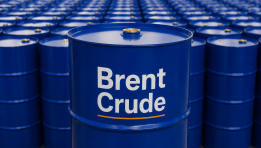
Oil Prices Extend Weekly Gains Brent crude rose 2.6% to $116.13 per barrel on Friday, reaching its highest level in

- Ronny Mor
- •
- 7 Min Read
- •
- ago 4 days
SKN | Crude Oil Hits Five-Week High as US-Iran Tensions Fuel Supply Concerns
Oil Prices Rise on Renewed Military Risks Crude oil climbed above $102 per barrel on Friday, reaching its highest level
- ago 4 days
- •
- 7 Min Read

Oil Prices Rise on Renewed Military Risks Crude oil climbed above $102 per barrel on Friday, reaching its highest level

