


- sagi habasov
- •
- 7 Min Read
- •
- 22 seconds ago
Key Points
- Crude oil prices are moving higher as renewed hostilities in the Middle East increase concerns over potential supply disruptions.
- Stalled diplomatic negotiations are reinforcing a geopolitical risk premium across global energy markets.
- Investors are balancing geopolitical uncertainty against OPEC+ policy decisions and broader demand fundamentals.

Global oil markets are once again facing heightened uncertainty as renewed tensions in the Middle East and a lack of progress in diplomatic negotiations push crude prices higher. The latest developments have reintroduced concerns about regional stability and the security of global energy supplies, prompting traders to incorporate a larger geopolitical risk premium into oil prices. For investors in Israel and worldwide, the situation highlights the continued sensitivity of energy markets to geopolitical events occurring in key producing regions.
Geopolitical Escalation Reignites Supply Concerns
The recent rise in oil prices has been driven primarily by concerns that escalating hostilities in the Middle East could disrupt production, transportation, or export flows from one of the world’s most strategically important energy regions. Even when physical supply remains unaffected, markets tend to react quickly to perceived risks because a significant portion of global crude exports moves through critical shipping routes in the region.
Energy traders closely monitor developments involving major producers and transit corridors, as any deterioration in security conditions could affect market balances. The renewed instability has encouraged investors to price in a higher risk premium, helping support crude benchmarks despite the absence of confirmed supply interruptions.
For energy-importing economies, including many countries across Europe and Asia, sustained price increases could have broader implications for inflation, transportation costs, and industrial activity.
Diplomatic Stalemate Adds to Market Uncertainty
Compounding the impact of regional tensions is the apparent lack of progress in diplomatic negotiations involving key Middle Eastern stakeholders. Market participants had previously hoped that successful talks could reduce geopolitical risks and potentially improve supply expectations. Instead, stalled discussions have increased uncertainty surrounding future production and export conditions.
The inability to achieve meaningful diplomatic breakthroughs has led traders to reassess downside risks in global oil supply forecasts. In financial markets, uncertainty often carries its own cost, particularly in commodities where future supply expectations play a central role in price formation.
The persistence of unresolved geopolitical issues also increases the likelihood of short-term volatility, with oil markets remaining highly responsive to new developments and official statements from regional governments and international actors.
Supply Fundamentals and OPEC+ Remain Critical Factors
While geopolitical events are currently dominating headlines, broader market fundamentals continue to influence oil price direction. OPEC+ production policy remains one of the most important variables shaping global supply conditions. The group’s output decisions have played a major role in maintaining market balance over recent years and continue to provide a framework for price stability.
Demand conditions also remain relatively resilient. Global consumption has been supported by travel activity, industrial production, and steady energy demand from major economies. However, investors continue to monitor economic growth indicators, particularly in China, the United States, and Europe, for signs that slower growth could weaken consumption.
As a result, oil prices are currently being influenced by a combination of geopolitical risk, supply management, and macroeconomic expectations rather than any single factor.
Outlook: Markets Watch for Diplomatic Progress and Supply Risks
Looking ahead, oil market participants will closely monitor whether regional tensions escalate further or whether diplomatic efforts regain momentum. Any signs of de-escalation could reduce the current geopolitical premium, while additional hostilities may generate further upward pressure on prices.
Investors will also continue tracking OPEC+ decisions, global inventory trends, and economic data that may influence demand forecasts. For global energy markets, including those affecting Israel’s economy and financial markets, the key question remains whether geopolitical risks evolve into tangible supply disruptions or remain largely a sentiment-driven factor. The answer will likely determine the next major move in crude oil prices and broader energy market performance.
Comparison, examination, and analysis between investment houses
Leave your details, and an expert from our team will get back to you as soon as possible
* This article, in whole or in part, does not contain any promise of investment returns, nor does it constitute professional advice to make investments in any particular field.
To read more about the full disclaimer, click here
- orshu
- •
- 8 Min Read
- •
- ago 6 hours
SKN | Gold Swings on Ceasefire Developments as Markets Brace for U.S. Jobs Data and Rate-Hike Risks
Gold prices experienced another volatile session as investors reacted to conflicting geopolitical and macroeconomic signals. Developments surrounding potential ceasefire
- ago 6 hours
- •
- 8 Min Read

Gold prices experienced another volatile session as investors reacted to conflicting geopolitical and macroeconomic signals. Developments surrounding potential ceasefire

- Lior mor
- •
- 7 Min Read
- •
- ago 20 hours
SKN | SEG Solar Expands U.S. Manufacturing Footprint With Planned Third Texas Factory Targeting 10.6 GW Capacity
SEG Solar’s announcement of a planned third manufacturing facility in Texas marks another step in the rapid expansion of U.S.-based
- ago 20 hours
- •
- 7 Min Read

SEG Solar’s announcement of a planned third manufacturing facility in Texas marks another step in the rapid expansion of U.S.-based

- omer bar
- •
- 7 Min Read
- •
- ago 23 hours
SKN | Oil Prices Stabilize as US–Iran Negotiation Uncertainty Keeps Geopolitical Risk Premium Intact
Global oil markets are trading in a narrow range as uncertainty surrounding US–Iran negotiations continues to prevent a clear directional
- ago 23 hours
- •
- 7 Min Read

Global oil markets are trading in a narrow range as uncertainty surrounding US–Iran negotiations continues to prevent a clear directional

- sagi habasov
- •
- 7 Min Read
- •
- ago 23 hours
SKN | Oil Prices Extend Monthly Gains as US–Iran Negotiations Stall and Geopolitical Risk Re-Emerges
Global oil markets are navigating a renewed wave of geopolitical uncertainty as crude prices register their largest monthly gain in
- ago 23 hours
- •
- 7 Min Read
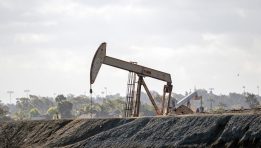
Global oil markets are navigating a renewed wave of geopolitical uncertainty as crude prices register their largest monthly gain in


