


- omer bar
- •
- 7 Min Read
- •
- 5 hours ago
Key Points
- Oil prices remained steady as investors weighed ongoing uncertainty surrounding US–Iran diplomatic negotiations.
- Market participants continue to factor in a geopolitical risk premium tied to potential supply disruptions from the Middle East.
- Broader supply-demand dynamics and OPEC+ policy decisions remain key stabilizing forces in global energy pricing.

Global oil markets are trading in a narrow range as uncertainty surrounding US–Iran negotiations continues to prevent a clear directional breakout in crude prices. The lack of progress in diplomatic talks has sustained a geopolitical risk premium, keeping traders cautious despite relatively stable physical supply conditions. For investors in Israel and globally, the situation reflects how geopolitical developments remain a key driver of short-term energy pricing alongside traditional demand indicators.
Geopolitical Risk Premium Keeps Prices Supported
Oil prices have stabilized as markets continue to assess the implications of stalled US–Iran discussions. While no immediate supply disruption has materialized, traders are increasingly pricing in the possibility of future constraints on Iranian exports or broader regional instability.
Iran remains an important producer within OPEC, and any deterioration in diplomatic relations could tighten global supply expectations. Even the perception of elevated geopolitical risk is sufficient to support crude benchmarks, as energy traders incorporate potential future shocks into pricing models.
In addition, tensions in the broader Middle East continue to influence sentiment, particularly through concerns about shipping routes and maritime security. These factors contribute to higher volatility in freight and insurance costs, indirectly reinforcing oil price sensitivity to political developments.
OPEC+ Policy and Global Supply Balance
Beyond geopolitical factors, oil markets remain anchored by OPEC+ production management policies, which have played a stabilizing role in balancing global supply and demand conditions. Coordinated output decisions among major producers continue to limit excessive supply growth, helping prevent sharp downside pressure on prices.
At the same time, global demand trends have remained relatively resilient, supported by steady consumption in key economies and ongoing industrial activity. However, demand growth remains uneven across regions, leaving the market vulnerable to external shocks.
The interaction between disciplined supply management and geopolitical uncertainty has created a relatively tight trading range, with prices responding more to sentiment shifts than to structural changes in fundamentals.
Macro Conditions and Market Sensitivity
Broader macroeconomic conditions are also influencing oil market dynamics, particularly expectations around interest rates and global growth trajectories. While inflation has moderated in several major economies, energy remains a key input cost, meaning even moderate price fluctuations can affect inflation expectations.
Currency movements and inventory data continue to play a role in short-term price action, with weekly US crude stockpile figures closely watched by traders for signals on demand strength. In this environment, oil continues to function as both a macro-sensitive asset and a geopolitical hedge, increasing its responsiveness to political developments.
For institutional investors, including portfolios in Israel with exposure to energy-linked assets, crude remains a key indicator of global risk sentiment and macroeconomic stability.
Looking ahead, oil price direction will likely depend on whether diplomatic negotiations between the US and Iran show signs of progress or further deterioration. A breakthrough could reduce the current risk premium, while continued stalemate may keep prices supported. At the same time, OPEC+ policy decisions and global demand resilience will remain critical factors shaping medium-term trends.
For global energy markets, the current environment underscores a persistent structural theme: oil pricing remains highly sensitive to geopolitical developments, with US–Iran relations once again emerging as a central driver of short-term market volatility.
Comparison, examination, and analysis between investment houses
Leave your details, and an expert from our team will get back to you as soon as possible
* This article, in whole or in part, does not contain any promise of investment returns, nor does it constitute professional advice to make investments in any particular field.
To read more about the full disclaimer, click here
- Lior mor
- •
- 7 Min Read
- •
- ago 3 hours
SKN | SEG Solar Expands U.S. Manufacturing Footprint With Planned Third Texas Factory Targeting 10.6 GW Capacity
SEG Solar’s announcement of a planned third manufacturing facility in Texas marks another step in the rapid expansion of U.S.-based
- ago 3 hours
- •
- 7 Min Read

SEG Solar’s announcement of a planned third manufacturing facility in Texas marks another step in the rapid expansion of U.S.-based

- sagi habasov
- •
- 7 Min Read
- •
- ago 6 hours
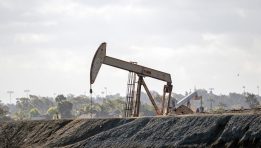
SKN | Oil Prices Extend Monthly Gains as US–Iran Negotiations Stall and Geopolitical Risk Re-Emerges
Global oil markets are navigating a renewed wave of geopolitical uncertainty as crude prices register their largest monthly gain in
- ago 6 hours
- •
- 7 Min Read
Global oil markets are navigating a renewed wave of geopolitical uncertainty as crude prices register their largest monthly gain in
- Lior mor
- •
- 7 Min Read
- •
- ago 11 hours
SKN | Why Is Gold Falling Despite Rising Geopolitical Tensions in the Middle East?
Gold suffered a sharp decline on Monday, surprising many investors who typically expect precious metals to benefit during periods of
- ago 11 hours
- •
- 7 Min Read

Gold suffered a sharp decline on Monday, surprising many investors who typically expect precious metals to benefit during periods of

- Ronny Mor
- •
- 7 Min Read
- •
- ago 2 days
SKN | Chevron CEO Warns Oil Markets May Be Underestimating Future Supply Risks
Global energy markets are navigating a period of heightened uncertainty as oil prices face pressure from changing geopolitical dynamics,
- ago 2 days
- •
- 7 Min Read

Global energy markets are navigating a period of heightened uncertainty as oil prices face pressure from changing geopolitical dynamics,


