




- sagi habasov
- •
- 6 Min Read
- •
- 10 seconds ago


Key Points
- Elon Musk says SpaceX plans to launch its first orbital AI computing systems in the fourth quarter of 2027, using an optimized NVIDIA Vera Rubin NVL72 architecture.
- The plan moves ahead of SpaceX’s earlier regulatory timeline, which had pointed to orbital AI compute deployment as early as 2028.
- SpaceX and NVIDIA are positioning orbital computing as a potential new source of AI capacity as demand for power, cooling and data-center infrastructure continues to accelerate.
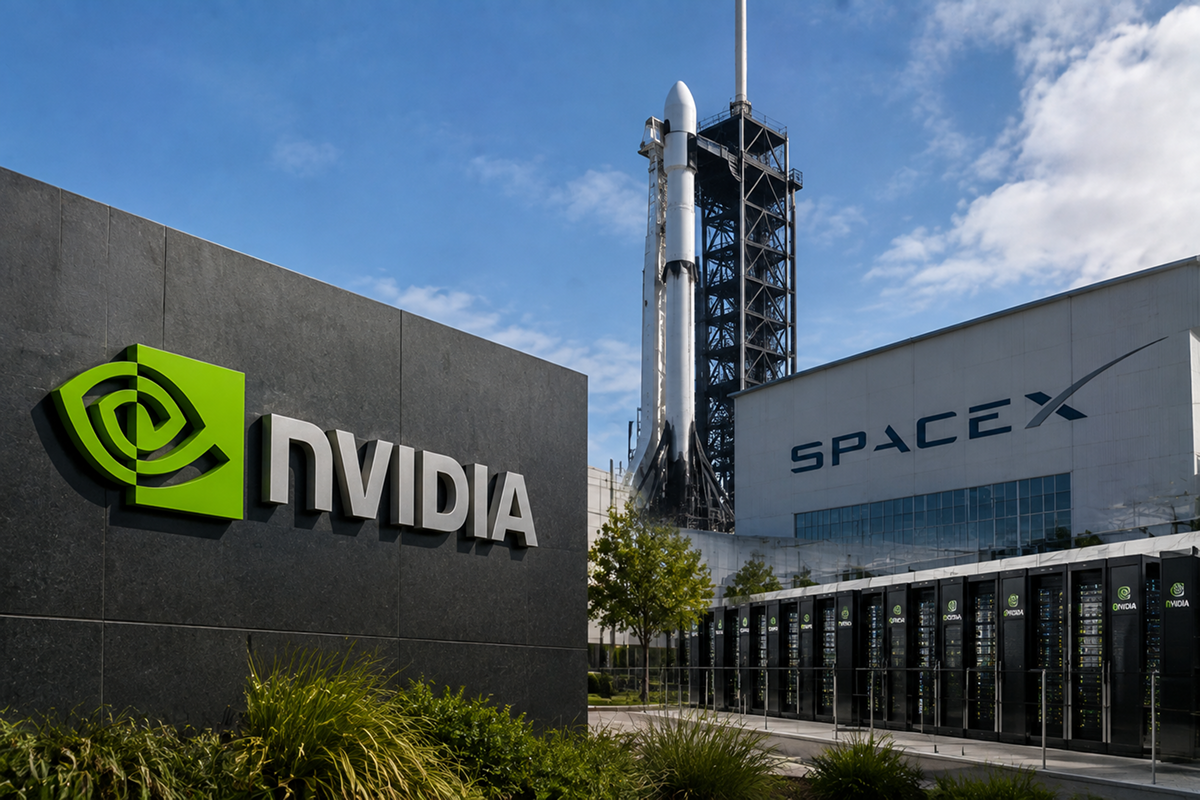
Elon Musk is bringing forward SpaceX’s timeline for putting AI computing infrastructure into orbit, saying the company has designed a space-optimized NVIDIA Vera Rubin NVL72 system targeted for launch in the fourth quarter of 2027. The move places SpaceX closer to testing a radically different model for AI infrastructure at a time when the industry is facing intense demand for computing power and growing constraints around terrestrial data centers.
SpaceX Targets First Orbital AI Systems in 2027
Musk said SpaceX, working with NVIDIA, has designed a space-optimized version of the Vera Rubin NVL72 system for orbital deployment in Q4 2027, with significant scale expected in 2028. The system is intended to bring the same accelerated computing architecture used in next-generation AI factories on Earth into space.
NVIDIA has confirmed that SpaceXAI is expanding its use of the Vera Rubin platform for AI workloads and plans to extend an optimized Vera Rubin NVL72 system into orbit through its first-generation Starmind AI satellite. The companies are adapting the architecture to the very different requirements of orbital computing, including power management, thermal control, bandwidth, reliability and physical integration.
Ahead of SpaceX’s Earlier 2028 Timeline
The updated target represents an acceleration from SpaceX’s earlier public timeline. In regulatory filings submitted as part of its IPO process, the company said it expected to begin deploying orbital AI compute satellites as early as 2028 and acknowledged that the program relies on technologies that remain unproven or do not yet exist at the required scale.
That gap between the earlier filing and Musk’s latest target highlights both the speed of development and the uncertainty surrounding the project. Reaching orbit in 2027 would require progress not only in computing hardware but also in launch capacity, satellite design, thermal management and the economics of operating high-performance computing systems in space.
Why NVIDIA and SpaceX See an Opportunity in Orbit
The strategy reflects a broader effort to solve the infrastructure bottlenecks created by the AI boom. SpaceX is already expanding its terrestrial computing capacity rapidly and has said it is building exclusively on NVIDIA hardware, citing the Vera Rubin architecture as its preferred platform. The company expects to have more than 2 gigawatts of compute online by the end of 2026 and has indicated that cumulative capacity could approach 10 gigawatts by the end of 2027.
Space-based computing could eventually offer a new way to add capacity without relying entirely on land, electricity grids and conventional data-center infrastructure. The economics remain unproven, however, and launch costs, radiation exposure, maintenance, networking and thermal constraints could determine whether the concept can move beyond demonstration projects.
Investors will be watching SpaceX’s execution against the 2027 target, the development of Starship and the rollout of NVIDIA-powered systems. The first orbital deployment would be an important technical milestone, but achieving meaningful scale in 2028 will matter more for determining whether space-based AI can become a commercially viable extension of the rapidly expanding global compute market.
Comparison, examination, and analysis between investment houses
Leave your details, and an expert from our team will get back to you as soon as possible
* This article, in whole or in part, does not contain any promise of investment returns, nor does it constitute professional advice to make investments in any particular field.
To read more about the full disclaimer, click here
- omer bar
- •
- 6 Min Read
- •
- ago 5 minutes
SKN | CrowdStrike CEO Warns: Slowing Frontier AI Will Not Stop Autonomous Cyberattacks Already Moving at Machine Speed
CrowdStrike CEO and founder George Kurtz is warning that a potential slowdown in frontier AI development would not eliminate cyber
- ago 5 minutes
- •
- 6 Min Read

CrowdStrike CEO and founder George Kurtz is warning that a potential slowdown in frontier AI development would not eliminate cyber

- Ronny Mor
- •
- 7 Min Read
- •
- ago 2 hours
SKN | Apple’s Sonera Acquisition Could Strengthen Its Long-Term Strategy as Near-Term Pressures Weigh on AAPL
Apple’s acquisition of Sonera could prove strategically important over the long term by adding technology that may expand the company’s
- ago 2 hours
- •
- 7 Min Read

Apple’s acquisition of Sonera could prove strategically important over the long term by adding technology that may expand the company’s

- sagi habasov
- •
- 7 Min Read
- •
- ago 11 hours
SKN | China’s Z.AI Raises $5 Billion as AI Competition Drives Demand for Capital
Chinese artificial intelligence company Z.AI has secured $5 billion through a combination of equity and convertible bond financing, underscoring
- ago 11 hours
- •
- 7 Min Read

Chinese artificial intelligence company Z.AI has secured $5 billion through a combination of equity and convertible bond financing, underscoring

- orshu
- •
- 6 Min Read
- •
- ago 11 hours
SKN | Larry Ellison Cancels $7.5 Billion Oracle Stock Sale Plan Amid AI Spending Debate
Oracle co-founder and executive chairman Larry Ellison has canceled a previously disclosed plan to sell up to 50 million
- ago 11 hours
- •
- 6 Min Read

Oracle co-founder and executive chairman Larry Ellison has canceled a previously disclosed plan to sell up to 50 million
