




- Ronny Mor
- •
- 7 Min Read
- •
- 9 seconds ago


Key Points
- Apple acquired certain assets and employees from Sonera, a California startup developing non-invasive biomagnetic sensors that can detect signals generated by the brain, nerves and muscles.
- The technology could eventually support new health, accessibility and wearable-device applications, although the financial impact is unlikely to be material in the near term.
- Apple continues to face short-term pressures from supply constraints, rising memory costs, regulatory challenges and expectations surrounding its AI strategy.
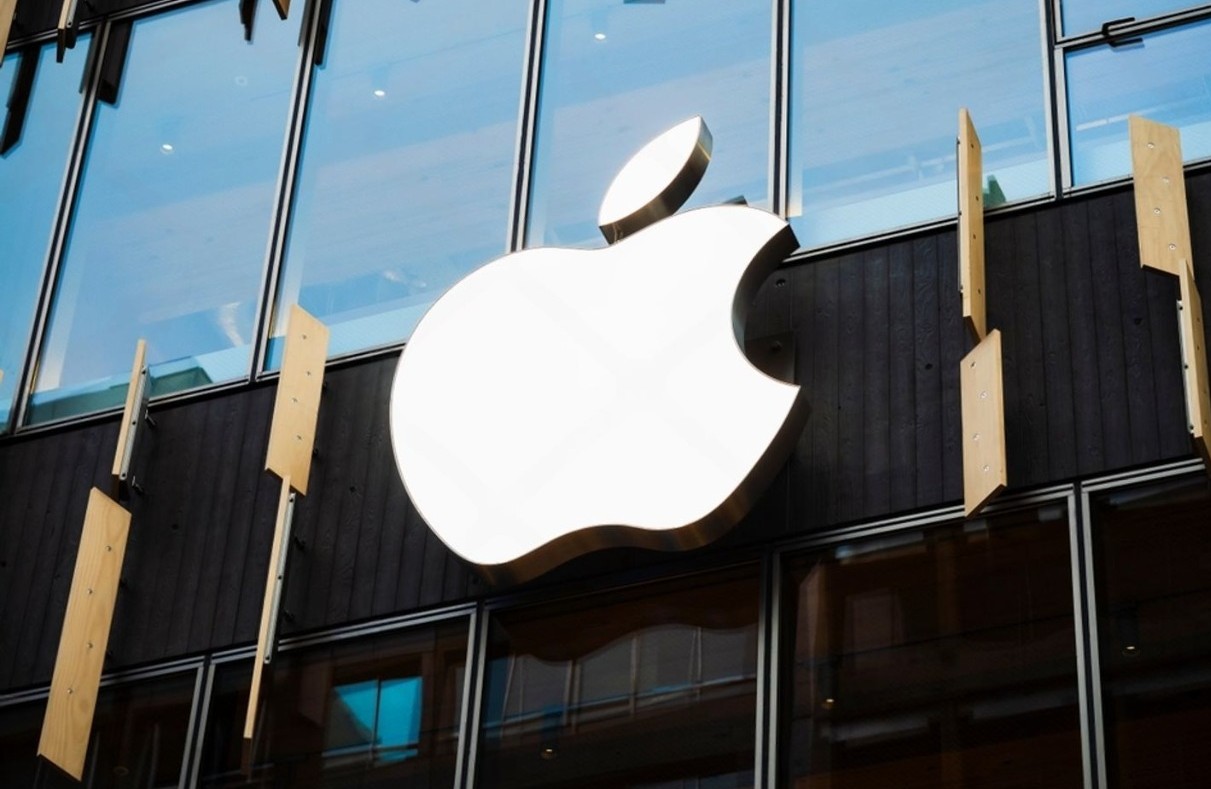
Apple’s acquisition of Sonera could prove strategically important over the long term by adding technology that may expand the company’s health and wearable-device capabilities. However, the deal arrives while AAPL faces several near-term pressures, including supply-chain constraints, higher memory costs, regulatory risks and investor concerns about the pace of Apple’s AI development.
Sonera Adds a New Dimension to Apple’s Health Strategy
Apple acquired certain assets from California-based Sonera and offered employment to some of its employees earlier in 2026. The transaction was disclosed publicly in September through a European Commission filing, while the acquisition price was not disclosed.
Sonera developed compact magnetic sensors designed to detect biomagnetic signals generated by activity in the brain, nerves and muscles without direct contact with the skin. The technology could potentially support applications ranging from neuromuscular monitoring and advanced prosthetics to health tracking and new methods of interacting with electronic devices.
For Apple, the strategic value could extend beyond a single product. Integrating this technology into future Apple Watch or other wearable platforms could strengthen the company’s long-term position in digital health and accessibility while adding another layer of sensing capabilities to its hardware ecosystem.
Strong Financial Results Have Not Eliminated Near-Term Concerns
Apple’s latest financial results provide a stronger foundation for its long-term strategy. Fiscal third-quarter revenue reached $109.4 billion, up 16% year over year, while diluted EPS rose 29% to $2.02. iPhone revenue increased 22% to $54.3 billion, and Services revenue climbed 12% to $30.7 billion.
Yet the quarterly figures also exposed some of the pressures facing the company. Apple said higher costs, including memory, partially offset improvements in product gross margins. The company also warned of significant supply constraints, particularly involving advanced components, limiting its ability to fully meet demand. Excluding the benefit of tariff refunds, gross-margin pressure was more pronounced.
The September-quarter outlook added to investor caution. Apple projected revenue growth of roughly 9% to 11%, below the growth rate investors had been expecting. Regulatory pressure on the App Store and questions surrounding Apple’s competitive position in AI remain additional factors shaping expectations for AAPL.
Why the Sonera Deal Matters Over the Long Term
Sonera fits into Apple’s broader strategy of acquiring specialized technologies that can be integrated into its hardware and software ecosystem rather than relying solely on large transformational acquisitions. The company has increasingly emphasized health, sensors, privacy and device intelligence as areas where proprietary technology can create differentiation.
The acquisition could therefore become more significant if biomagnetic sensing can be developed into commercially viable features. However, there is no indication that Sonera will generate meaningful revenue for Apple in the near term, and the company has not disclosed how the technology will be incorporated into future products.
Investors will ultimately be watching whether Apple can convert acquisitions such as Sonera into new product capabilities while simultaneously addressing its more immediate challenges. Memory availability and costs, supply-chain flexibility, Services growth, AI execution and regulatory developments could have a much larger effect on AAPL’s near-term performance than the Sonera transaction itself. Over the longer term, however, successful integration of advanced sensing technology could reinforce Apple’s position in health-focused wearables and create another potential growth avenue beyond the iPhone.
Comparison, examination, and analysis between investment houses
Leave your details, and an expert from our team will get back to you as soon as possible
* This article, in whole or in part, does not contain any promise of investment returns, nor does it constitute professional advice to make investments in any particular field.
To read more about the full disclaimer, click here
- sagi habasov
- •
- 7 Min Read
- •
- ago 9 hours
SKN | China’s Z.AI Raises $5 Billion as AI Competition Drives Demand for Capital
Chinese artificial intelligence company Z.AI has secured $5 billion through a combination of equity and convertible bond financing, underscoring
- ago 9 hours
- •
- 7 Min Read

Chinese artificial intelligence company Z.AI has secured $5 billion through a combination of equity and convertible bond financing, underscoring

- orshu
- •
- 6 Min Read
- •
- ago 9 hours
SKN | Larry Ellison Cancels $7.5 Billion Oracle Stock Sale Plan Amid AI Spending Debate
Oracle co-founder and executive chairman Larry Ellison has canceled a previously disclosed plan to sell up to 50 million
- ago 9 hours
- •
- 6 Min Read

Oracle co-founder and executive chairman Larry Ellison has canceled a previously disclosed plan to sell up to 50 million

- Arik Arkadi Sluzki
- •
- 7 Min Read
- •
- ago 9 hours
SKN | Anthropic CEO Calls for Slower AI Development as Industry Faces Rising Safety Concerns
The rapid expansion of artificial intelligence capabilities is entering a new phase as industry leaders debate how quickly advanced
- ago 9 hours
- •
- 7 Min Read
The rapid expansion of artificial intelligence capabilities is entering a new phase as industry leaders debate how quickly advanced

- omer bar
- •
- 7 Min Read
- •
- ago 10 hours
SKN | Hyundai Delays In-House Driver-Assist System to 2029 as Nvidia Partnership Fills the Gap
Hyundai Motor Group is delaying the rollout of its proprietary driver-assistance software until late 2029, underscoring the technical and
- ago 10 hours
- •
- 7 Min Read

Hyundai Motor Group is delaying the rollout of its proprietary driver-assistance software until late 2029, underscoring the technical and
