




- omer bar
- •
- 6 Min Read
- •
- 22 seconds ago


Key Points
- Medtronic has launched a global voluntary recall of certain lots of its Bravo calibration-free reflux testing system following reports of 184 serious injuries linked to problems with capsule deployment.
- The recalled devices may fail to attach to or detach from a patient's esophagus as intended, creating risks including aspiration, perforation, bleeding and delayed diagnosis.
- The recall adds to regulatory and operational scrutiny surrounding Medtronic's medical-device portfolio, with affected products requiring quarantine and replacement while unaffected lots remain available.
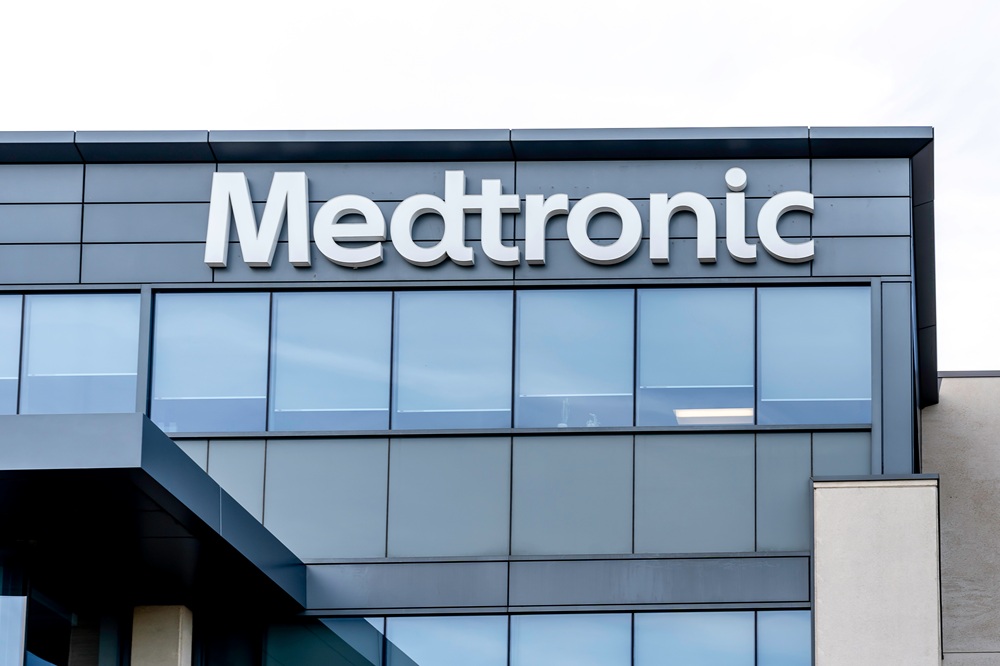
Medtronic has initiated a global voluntary recall covering certain lots of its Bravo calibration-free, or CF, reflux testing system after identifying a problem involving the system’s delivery mechanism. The device is used to diagnose gastroesophageal reflux by positioning a pH-monitoring capsule on the esophageal wall, where it measures acidity and transmits information to an external recorder.
According to the company, affected Bravo CF capsules may not attach to the patient’s esophagus or detach from the delivery device as intended. Medtronic said the issue may be associated with a component responsible for controlling capsule deployment. The company has notified regulatory agencies globally where appropriate and is retrieving affected products.
184 Serious Injuries Raise Patient-Safety Concerns
The scale of reported adverse events makes the recall particularly significant. As of August 10, 2026, Medtronic had reported 184 serious injuries associated with the issue, while no deaths had been reported. The potential consequences extend beyond a failed diagnostic procedure and include airway obstruction, aspiration or inhalation, esophageal perforation or laceration, hemorrhage, blood loss and bleeding.
The U.S. Food and Drug Administration has also warned that the problem could result in delays in diagnosis or foreign bodies remaining in patients. Medtronic said failing to maintain the delivery device in a straight position, as instructed in the User Guide, could exacerbate the deployment-control problem. The company has nevertheless taken broader corrective action through the recall.
Recall Expands on Previous Device Action
The latest action follows a recall last year involving a subset of lots affected by the same device failure. Medtronic said the June 2025 recall involved a different underlying cause, despite the resulting failure being similar. The recurrence highlights the importance of continued monitoring and corrective controls for specialized diagnostic devices used in invasive procedures.
Customers have been instructed to identify, quarantine and stop using affected delivery devices until they can be returned for replacement. Products with expiration dates of December 10, 2027, or later are not affected by the current recall, providing a defined distinction between impacted and unaffected inventory.
Implications for Medtronic and the Medical-Device Market
The Bravo system is marketed through Medtronic’s Given Imaging subsidiary, which became part of the company following Medtronic’s $50 billion acquisition of Covidien. Covidien had previously acquired Given Imaging for $860 million in 2014.
For Medtronic, the immediate priority is patient safety, product retrieval and replacement while regulators assess the issue. More broadly, the recall illustrates the operational and reputational risks medical-device manufacturers face when product failures emerge after commercial deployment. Investors will likely watch for additional regulatory actions, the scope of replacement requirements and whether the company reports any material financial impact from the recall.
What to Watch Next
Further developments will center on the effectiveness of the corrective measures, regulatory responses and whether additional lots or related products become subject to action. With 184 serious injuries already reported, the company’s ability to resolve the deployment issue while maintaining confidence among physicians and healthcare providers will remain an important consideration for Medtronic and the wider medical-device industry.
Comparison, examination, and analysis between investment houses
Leave your details, and an expert from our team will get back to you as soon as possible
* This article, in whole or in part, does not contain any promise of investment returns, nor does it constitute professional advice to make investments in any particular field.
To read more about the full disclaimer, click here
- orshu
- •
- 9 Min Read
- •
- ago 56 minutes
SKN | Global Markets Wrap: August 31, 2026 Stocks Slip in the U.S., Europe and Tel Aviv as China Gains – Outlook Ahead of September 1 Trading
Global markets closed August 31, 2026, with broad weakness across U.S. equities, European markets, and Tel Aviv, while Asian performance
- ago 56 minutes
- •
- 9 Min Read

Global markets closed August 31, 2026, with broad weakness across U.S. equities, European markets, and Tel Aviv, while Asian performance

- omer bar
- •
- 9 Min Read
- •
- ago 4 hours
SKN | Asian Markets Mixed on September 1 as China Gains While Major Regional Markets Decline
Asian equity markets traded with a mixed performance during Tuesday morning’s session on September 1, with China providing the strongest
- ago 4 hours
- •
- 9 Min Read

Asian equity markets traded with a mixed performance during Tuesday morning’s session on September 1, with China providing the strongest
- omer bar
- •
- 8 Min Read
- •
- ago 6 hours
SKN | SEC Move Could Shift Shareholder Power From Washington to the States
The U.S. Securities and Exchange Commission is considering a significant change to the rules governing shareholder proposals at publicly
- ago 6 hours
- •
- 8 Min Read
The U.S. Securities and Exchange Commission is considering a significant change to the rules governing shareholder proposals at publicly

- sagi habasov
- •
- 8 Min Read
- •
- ago 6 hours
SKN | Wall Street Closes Lower as Oil Shock Revives Inflation and Rate Fears
Wall Street closed lower on August 31 as a sharp rise in crude oil prices renewed concerns that geopolitical
- ago 6 hours
- •
- 8 Min Read
Wall Street closed lower on August 31 as a sharp rise in crude oil prices renewed concerns that geopolitical
