




- omer bar
- •
- 8 Min Read
- •
- 50 seconds ago


Key Points
- The U.S. Securities and Exchange Commission is considering rescinding Rule 14a-8, potentially shifting responsibility for shareholder proposals to individual states.
- The proposed change could reduce the influence of investor activists and create different shareholder rights across U.S. jurisdictions.
- Corporate governance disputes may increasingly shift toward director elections and state-level legal frameworks.
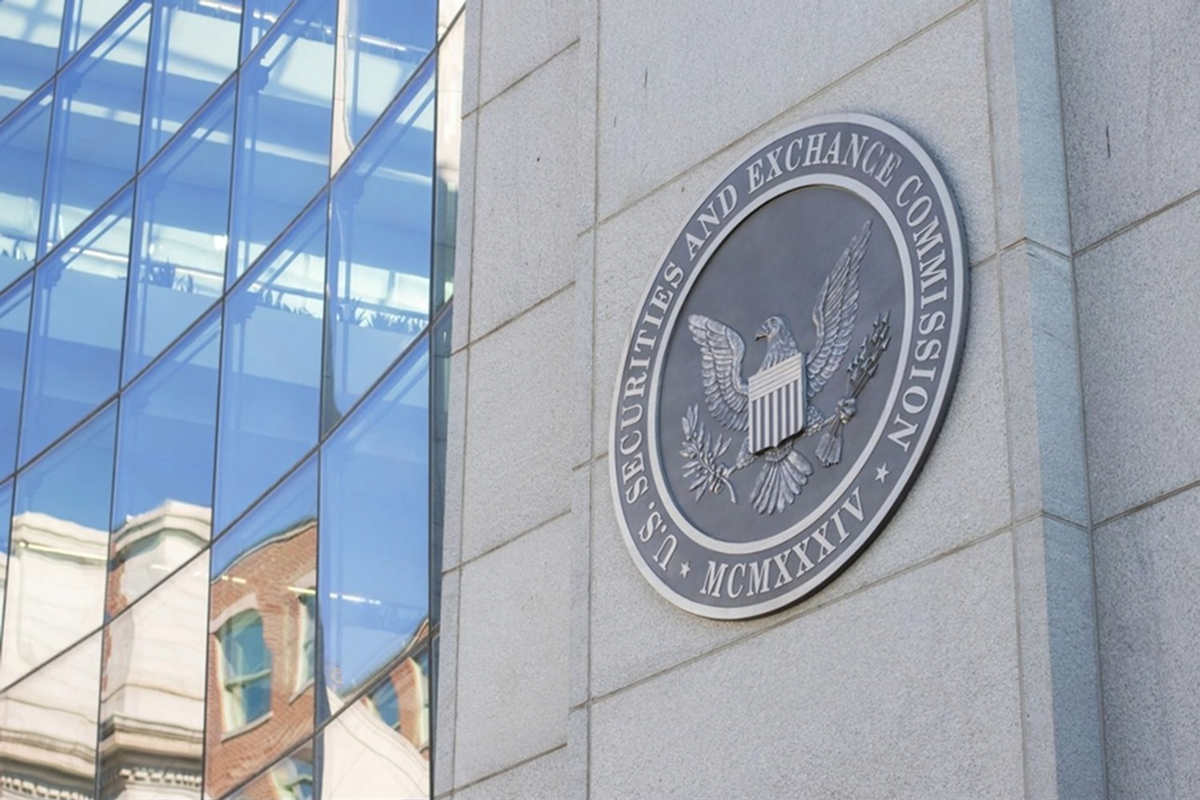
The U.S. Securities and Exchange Commission is considering a significant change to the rules governing shareholder proposals at publicly traded companies, a move that could reshape the balance of power between investors, corporate boards and state governments. The potential repeal of Rule 14a-8 would represent a major shift in U.S. corporate governance, particularly for institutional investors and activist shareholders who have long relied on the federal framework to bring proposals before annual meetings.
For global investors, including institutions with exposure to U.S. equities, the issue extends beyond procedural reform. A fragmented system of state-level rules could alter how shareholders influence companies on issues ranging from executive accountability and governance to environmental policy and corporate strategy.
SEC Considers Ending a Longstanding Federal Framework
According to a regulatory notice dated Friday, the SEC is considering changes to Rule 14a-8, which establishes the requirements allowing shareholders to submit proposals for inclusion in a public company’s annual proxy statement. The rule currently sets federal standards covering matters such as minimum ownership requirements and the process companies must follow when handling shareholder resolutions.
An SEC spokesman said Chairman Paul Atkins has raised concerns that the existing rule may exceed the Commission’s authority and interfere with state laws. The agency is therefore expected to consider a proposal to rescind the rule and return responsibility for regulating shareholder proposals to the states.
Such a move would mark a substantial departure from the current system. For decades, the federal framework has provided investors with broadly consistent rules regardless of where a company is incorporated. Moving authority to individual states could create significant differences in the rights available to shareholders depending on corporate domicile.
Different State Rules Could Create a Fragmented Investor Landscape
The potential consequences of decentralizing shareholder proposal rules could be substantial. Critics argue that companies incorporated in different states could face sharply different requirements, creating uncertainty for institutional investors that hold diversified portfolios across hundreds or thousands of U.S. companies.
Texas provides one example of how state-level rules could diverge. Under a new law in the Republican-controlled state, investors could potentially need as much as $1 million worth of shares to file a shareholder resolution. That contrasts sharply with the current SEC threshold, which can be as low as $2,000 in stock ownership, depending on the applicable requirements.
Investor advocates warn that this type of divergence could make shareholder engagement significantly more difficult for smaller investors and organizations that coordinate resolutions on governance, environmental and social issues. Support for such proposals has declined in recent years, but they have remained an important mechanism for bringing corporate policies before shareholders.
Corporate Governance Pressure May Shift Toward Board Elections
If shareholder resolutions become more difficult to pursue, investors may seek alternative methods to express dissatisfaction with corporate leadership. Legal and governance experts have suggested that votes against directors could become a more prominent tool if other avenues for shareholder engagement are restricted.
This could increase the importance of annual board elections as a mechanism for investor accountability. Large asset managers and institutional investors already exercise significant influence through director votes, and a narrower shareholder proposal system could further concentrate attention on board composition, executive oversight and governance performance.
The SEC is also considering changes aimed at modernizing the broader proxy solicitation process, which governs shareholder communications. The agency said the effort is intended to reflect technological developments and current realities in how investors communicate and organize around corporate issues.
What Global Investors Should Watch Next
The next step will be whether the SEC formally proposes rescinding Rule 14a-8 and how companies, investors, state governments and legal groups respond. Any major regulatory change could trigger legal challenges and intensify debate over the division of authority between federal securities regulators and state corporate law.
For sophisticated global investors, the central issue is whether the U.S. moves toward a more fragmented system of shareholder rights. The outcome could affect corporate governance practices, investor activism and the consistency of rules governing public companies. Markets will now watch the SEC’s formal proposal process, potential state responses and whether institutional investors increasingly use director elections and other governance tools to maintain influence over corporate decision-making.
Comparison, examination, and analysis between investment houses
Leave your details, and an expert from our team will get back to you as soon as possible
* This article, in whole or in part, does not contain any promise of investment returns, nor does it constitute professional advice to make investments in any particular field.
To read more about the full disclaimer, click here
- sagi habasov
- •
- 8 Min Read
- •
- ago 3 minutes
SKN | Wall Street Closes Lower as Oil Shock Revives Inflation and Rate Fears
Wall Street closed lower on August 31 as a sharp rise in crude oil prices renewed concerns that geopolitical
- ago 3 minutes
- •
- 8 Min Read

Wall Street closed lower on August 31 as a sharp rise in crude oil prices renewed concerns that geopolitical

- Ronny Mor
- •
- 8 Min Read
- •
- ago 24 minutes
SKN | Boeing and Engineers Union Return to Negotiations as Wage Pressure Takes Center Stage
Boeing and the union representing thousands of engineers and technical workers are set to resume contract negotiations on September
- ago 24 minutes
- •
- 8 Min Read

Boeing and the union representing thousands of engineers and technical workers are set to resume contract negotiations on September

- orshu
- •
- 7 Min Read
- •
- ago 7 hours
SKN | European Markets Close Lower as German and Eurozone Stocks Lead Broad Retreat
European markets closed August 31 with a predominantly negative tone, as major continental equity benchmarks moved lower while the
- ago 7 hours
- •
- 7 Min Read

European markets closed August 31 with a predominantly negative tone, as major continental equity benchmarks moved lower while the
- orshu
- •
- 8 Min Read
- •
- ago 10 hours
SKN | U.S. Stocks Open Lower as Small Caps Lead Broad Market Retreat
Markets across the Americas opened August 31 with a broadly cautious tone, as major U.S. equity indexes moved lower
- ago 10 hours
- •
- 8 Min Read

Markets across the Americas opened August 31 with a broadly cautious tone, as major U.S. equity indexes moved lower
