





- omer bar
- •
- 6 Min Read
- •
- 17 seconds ago


Key Points
- Japan’s top currency diplomat Atsushi Mimura urged markets to take Tokyo and Washington’s warning over yen weakness “at face value,” signaling continued vigilance.
- The yen remains under pressure near ¥157 per dollar despite the Bank of Japan raising its policy rate to 1.25%, its highest level in 31 years.
- Markets are increasingly focused on the possibility of renewed Japanese intervention as officials seek to limit excessive currency depreciation.
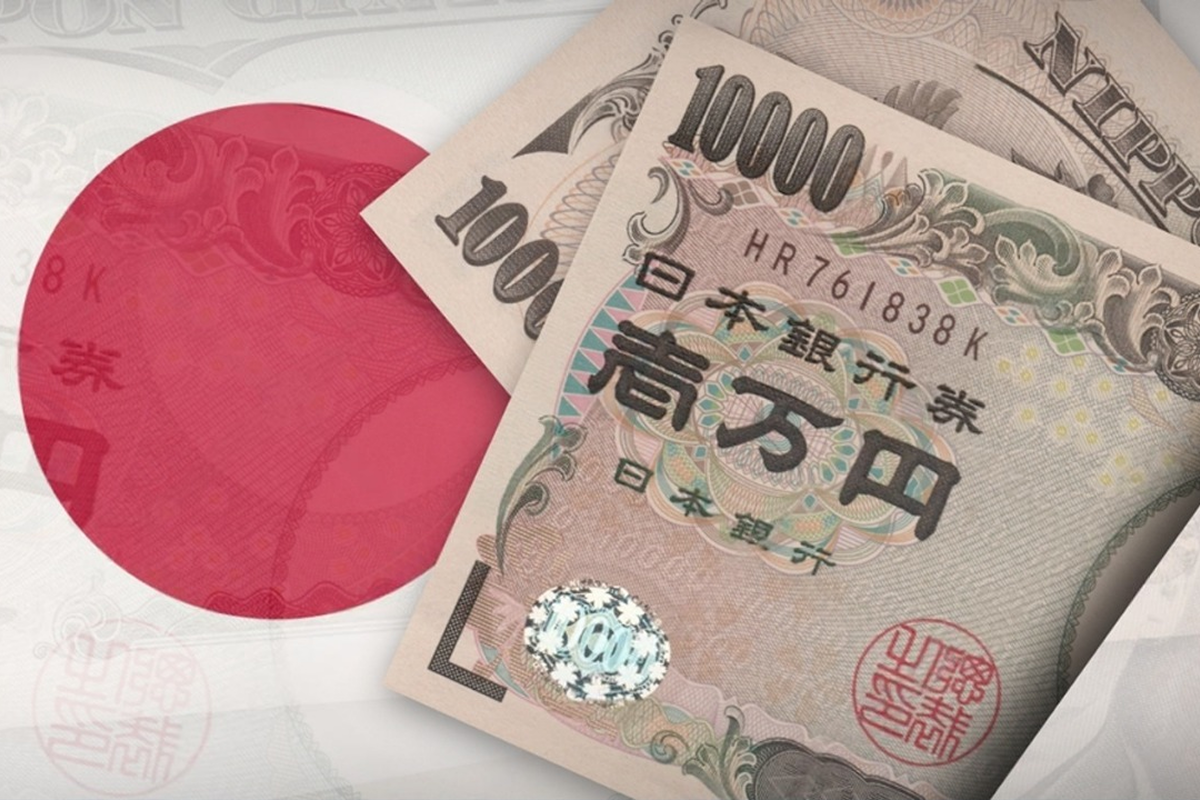
Japan has intensified its warning over yen weakness after the currency remained under pressure despite higher Japanese interest rates. Atsushi Mimura, Japan’s vice finance minister for international affairs and top currency diplomat, said markets should take the recent message from Tokyo and Washington seriously, placing renewed focus on the risk of official action in the foreign-exchange market.
Tokyo Sends a Stronger Signal on Yen Weakness
Mimura said Japan’s prime minister, finance minister and the United States had delivered a “very clear” message on the yen and that markets should take it at face value. He also said he would be watching closely whether investors continued to respond to that warning, while declining to comment on whether Japan could intervene again.
The comments followed discussions between Japanese Finance Minister Satsuki Katayama and U.S. Treasury Secretary Scott Bessent, who reaffirmed that yen undervaluation was a concern. U.S. President Donald Trump has also raised the issue of yen weakness with Japanese Prime Minister Sanae Takaichi, adding an international dimension to Tokyo’s efforts to stabilize the currency.
Why the Yen Remains Under Pressure
The yen has remained weak despite a significant shift in Japanese monetary policy. The Bank of Japan has raised its policy rate to 1.25%, the highest level in 31 years, but the currency continues to trade around ¥157 per dollar as relatively high U.S. interest rates and a strong dollar maintain pressure on the exchange rate.
Higher Japanese rates can gradually reduce the interest-rate gap that has encouraged investors to fund positions in yen and invest in higher-yielding assets elsewhere. However, the adjustment has not yet been sufficient to eliminate the underlying pressure on the currency. A persistent weak yen also raises the cost of imported energy and raw materials, making the exchange rate an important consideration for Japanese inflation and household purchasing power.
Intervention Risk Returns to the Market
The central question for currency markets is whether Tokyo’s increasingly explicit warnings will be followed by direct intervention. Japanese authorities have previously intervened to support the yen, but Mimura has avoided specifying a particular exchange-rate level that would trigger action.
That ambiguity allows policymakers to preserve flexibility while attempting to influence market expectations. At the same time, repeated verbal warnings can lose effectiveness if traders conclude that authorities are unwilling to act. The recent coordination with Washington gives Japan’s message additional weight, although monetary-policy differences between the two countries remain a major driver of exchange rates.
Markets will therefore monitor USD/JPY closely alongside U.S. Treasury yields, Federal Reserve expectations, Japanese inflation and wage data, and signals from the BOJ. Any renewed acceleration in yen depreciation could increase pressure on Japanese officials to consider stronger measures, while evidence of narrowing interest-rate differentials could provide a more durable source of support for the currency.
Comparison, examination, and analysis between investment houses
Leave your details, and an expert from our team will get back to you as soon as possible
* This article, in whole or in part, does not contain any promise of investment returns, nor does it constitute professional advice to make investments in any particular field.
To read more about the full disclaimer, click here
- sagi habasov
- •
- 8 Min Read
- •
- ago 2 hours
SKN | Could Japan’s Stronger Yen Warning Put a New Floor Under the Currency?
Japan is stepping up its warnings over yen weakness as policymakers seek to prevent further depreciation from adding to import
- ago 2 hours
- •
- 8 Min Read

Japan is stepping up its warnings over yen weakness as policymakers seek to prevent further depreciation from adding to import

- Ronny Mor
- •
- 7 Min Read
- •
- ago 5 hours
SKN | Colombia Turns to IMF as Fiscal Pressures Drive Search for Financing
Colombia is engaging with the International Monetary Fund over potential financing as the South American economy confronts mounting fiscal
- ago 5 hours
- •
- 7 Min Read

Colombia is engaging with the International Monetary Fund over potential financing as the South American economy confronts mounting fiscal
- sagi habasov
- •
- 7 Min Read
- •
- ago 5 hours
SKN | ECB Expands Euro Liquidity Backstops as Europe Seeks a Stronger Global Currency Role
The European Central Bank is moving to strengthen the euro’s position in global finance by expanding the liquidity backstops
- ago 5 hours
- •
- 7 Min Read

The European Central Bank is moving to strengthen the euro’s position in global finance by expanding the liquidity backstops

- orshu
- •
- 7 Min Read
- •
- ago 5 hours
SKN | Wall Street Falls as Elevated Oil Prices and Treasury Yields Pressure Markets
Wall Street retreated on September 28 as elevated oil prices and Treasury yields continued to challenge U.S. equities, with
- ago 5 hours
- •
- 7 Min Read

Wall Street retreated on September 28 as elevated oil prices and Treasury yields continued to challenge U.S. equities, with

