




- orshu
- •
- 10 Min Read
- •
- 2 minutes ago


Key Points
- Israeli markets outperform: Stocks have risen approximately 130% since October 2023, while the shekel has strengthened around 25%.
- Election uncertainty persists: The outcome could influence the shekel, equities and Israel’s political risk premium.
- Fiscal risks remain: Rising public debt, defense spending and weaker foreign investment continue to challenge long-term market resilience.
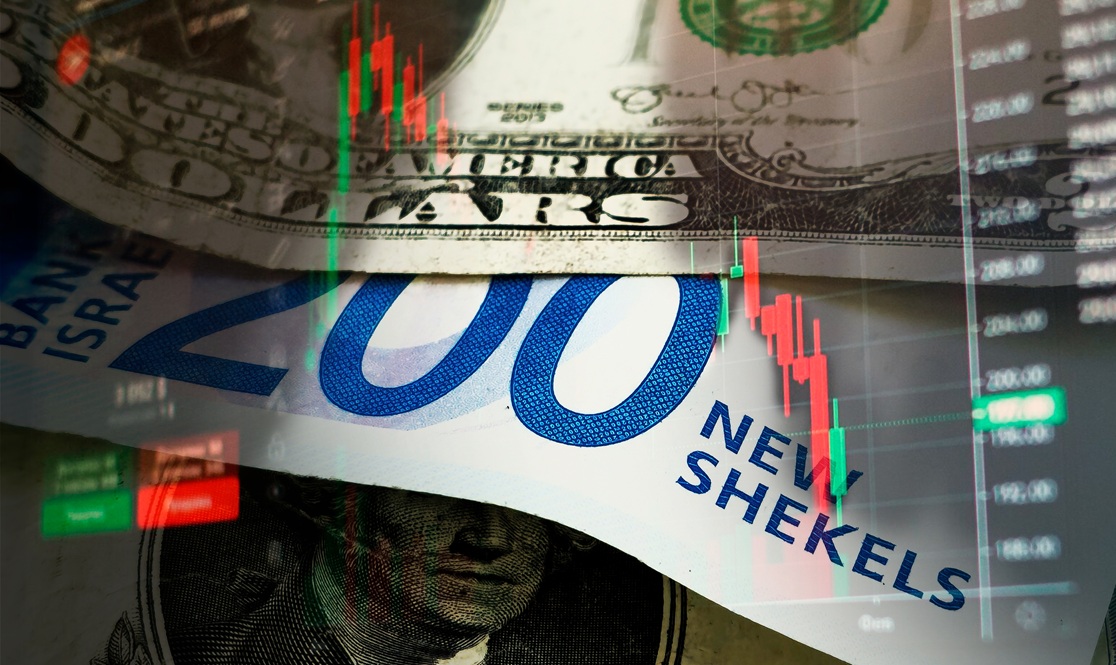
Israeli Assets Show Resilience Despite Three Years of Conflict
Israel’s financial markets have delivered substantial gains since October 2023, outperforming several international benchmarks despite sustained military conflict and political uncertainty. According to Reuters, the Tel Aviv stock market has risen approximately 130% since the Hamas attacks, compared with an 80% gain for Wall Street over the same period. The shekel has appreciated around 25%, placing it among the world’s stronger-performing currencies.
Market resilience has been supported by several structural factors. Israel’s technology sector has benefited from global demand for artificial intelligence, while defense spending has nearly doubled to approximately 8% of GDP. These drivers have helped sustain corporate activity and investor interest despite the economic costs of the conflict.
The upcoming election is introducing another variable into the outlook, with investors assessing whether a change in government could reduce political and geopolitical risks or whether the existing economic strengths will continue to underpin asset performance regardless of the result.
Election Outcome Could Influence the Shekel and Risk Premium
Israel’s election is expected to be closely contested. Polls cited by Reuters indicate that neither Prime Minister Benjamin Netanyahu’s Likud bloc nor an opposition alliance centered on former military chief Gadi Eisenkot is expected to secure the 61 seats required for a majority in the 120-member Knesset. The result could therefore lead to prolonged coalition negotiations or another election.
Some investors see potential upside if the opposition forms the next government. An improvement in relations with Western allies and an end to the controversial judicial overhaul could reduce Israel’s perceived political risk and support the shekel and local equities.
JPMorgan estimates that the currency could move by as much as 3% depending on the outcome. IBI Investment House’s chief economist, Rafi Gozlan, has also identified the possibility of a lower risk premium, appreciation pressure on the shekel and a positive response in the local market under an opposition government.
However, these are conditional market assessments rather than assured outcomes. Investors remain aware that regional security policy could retain significant continuity regardless of the election result, given that both Netanyahu and Eisenkot have pledged to maintain pressure on Hamas and Iran.
Fiscal Pressures and Foreign Investor Caution Persist
The market rally has not eliminated concerns about Israel’s public finances or international investment flows. Data from Copley Fund Research indicate that the share of global funds holding Israeli equities has fallen sharply since 2023 to a record low.
The war’s economic cost remains substantial. Estimates cited by TS Lombard put the cost above $55 billion by the end of last year, equivalent to 8.6% in cumulative lost GDP growth. Public debt has risen to nearly 70% of GDP, approximately 10 percentage points above its 2022 level, while the budget deficit is expected to remain around 4.5%, compared with less than 2% before the conflict.
Bank of Israel Governor Amir Yaron has emphasized the need to preserve sufficient fiscal capacity amid the war with Iran. These constraints could limit the government’s flexibility and make fiscal policy, defense spending and economic reforms important considerations for investors.
Israeli government bonds have also performed strongly, returning approximately 30% over the previous two years, more than twice the return of the main emerging-market indexes. Nevertheless, an inconclusive election could delay budgets, reforms and investment decisions, creating uncertainty even if the longer-term economic outlook remains resilient.
Historical Performance Suggests Election Volatility May Be Temporary
Historical data from the Tel Aviv Stock Exchange offer some perspective on the relationship between elections and market performance. Research covering the previous 10 elections found that volatility in leading share indexes rose by as much as 45% in the weeks following voting compared with a typical week. Initial losses, however, were generally recovered within a month, with indexes recording an average gain of approximately 1.7%.
Over the year following elections, the TA-125 index delivered an average return of 16.4%, compared with a long-term annual average of 11.5%. These historical figures do not guarantee a similar outcome in the current environment, particularly given the scale of the conflict and the deterioration in public finances.
Some investors therefore view political uncertainty as a potential source of short-term volatility rather than a definitive judgment on Israeli companies’ underlying value. Others are looking beyond Israel for opportunities that could benefit from regional de-escalation, including Lebanese bonds.
What Investors Should Watch Next
The election result and subsequent coalition negotiations will be important near-term catalysts for Israeli equities, government bonds and the shekel. Investors will also monitor whether a new government changes relations with Western allies, the direction of judicial reform and the approach to regional security.
Beyond politics, the sustainability of technology-sector growth, defense spending, foreign investment and the government’s fiscal position will remain central to the market outlook. A clear electoral outcome could reduce uncertainty, while prolonged negotiations may delay policy decisions and increase short-term volatility.
Israel’s recent market performance demonstrates resilience, but the next phase will test whether that strength can persist alongside elevated debt, continuing security risks and uncertain political arrangements.
Comparison, examination, and analysis between investment houses
Leave your details, and an expert from our team will get back to you as soon as possible
* This article, in whole or in part, does not contain any promise of investment returns, nor does it constitute professional advice to make investments in any particular field.
To read more about the full disclaimer, click here
- orshu
- •
- 9 Min Read
- •
- ago 1 hour
SKN | Big Tech Earnings Super-Week and Fed Rate Decision to Direct Late-October Markets
Global financial markets enter the final week of October 2026 facing an extraordinary convergence of tier-one central bank policy determinations
- ago 1 hour
- •
- 9 Min Read
Global financial markets enter the final week of October 2026 facing an extraordinary convergence of tier-one central bank policy determinations

- Ronny Mor
- •
- 6 Min Read
- •
- ago 1 day
SKN | Global Stocks Slip as Oil Hits Six-Month High While Technology Shares Stabilize
Global equity markets ended a volatile week on Friday with major stock indexes lower, while technology shares showed signs
- ago 1 day
- •
- 6 Min Read
Global equity markets ended a volatile week on Friday with major stock indexes lower, while technology shares showed signs
- orshu
- •
- 6 Min Read
- •
- ago 2 days
SKN | London Stocks End Lower as Oil Surge and UK Budget Uncertainty Weigh on Markets
London stocks ended lower on Friday as surging oil prices reduced risk appetite and investors turned increasingly cautious ahead
- ago 2 days
- •
- 6 Min Read
London stocks ended lower on Friday as surging oil prices reduced risk appetite and investors turned increasingly cautious ahead

- sagi habasov
- •
- 7 Min Read
- •
- ago 2 days
SKN | Can Big Tech Earnings and the Fed Stabilize Wall Street’s Fragile AI Rally?
U.S. stock investors enter a pivotal week as a heavy corporate earnings calendar and a Federal Reserve policy meeting
- ago 2 days
- •
- 7 Min Read

U.S. stock investors enter a pivotal week as a heavy corporate earnings calendar and a Federal Reserve policy meeting
