




- Lior mor
- •
- 6 Min Read
- •
- 4 hours ago


Key Points
- Iran’s ability to use the Strait of Hormuz as economic leverage has weakened as Gulf producers and international shipping operators develop alternative routes and security arrangements.
- Oil flows through the strait fell sharply in 2026, but exports from Gulf producers have recovered toward pre-conflict levels through a combination of bypass routes and protected shipping.
- The reduction in Iran’s leverage could increase pressure on Tehran, while also creating a risk that the country could escalate attacks on energy infrastructure or shipping.
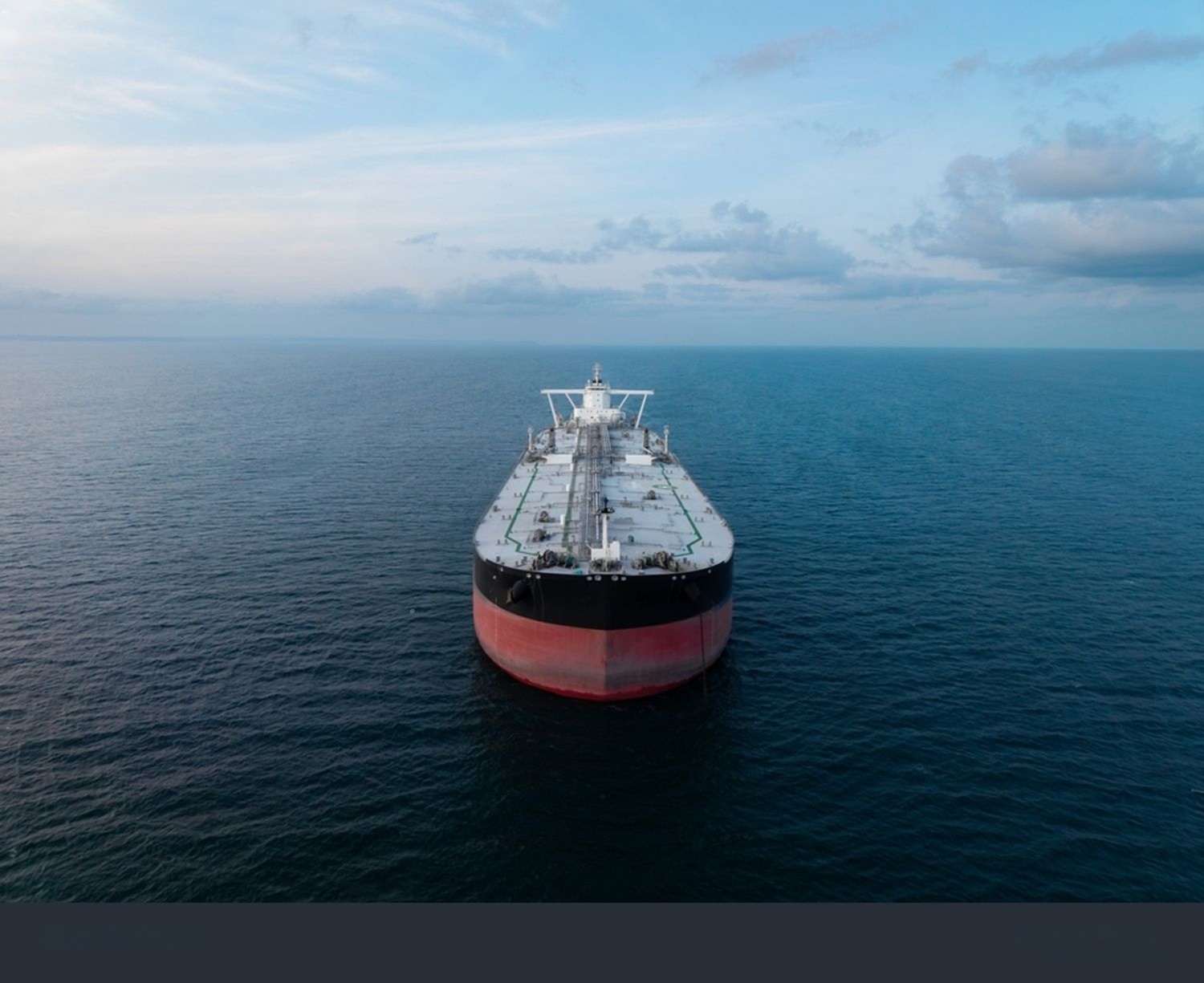
Iran’s strategic leverage over the Strait of Hormuz has diminished as Gulf producers, international shipping companies and the United States have found ways to keep a significant volume of energy moving despite the conflict. The shift matters for global oil markets because Hormuz remains one of the world’s most important energy chokepoints, while the ability to bypass or secure the route reduces the economic impact of Iran’s efforts to restrict traffic.
Hormuz Remains Critical, but Its Strategic Value Has Changed
The Strait of Hormuz remains central to global energy trade. In the first half of 2025, an average of 20.9 million barrels of oil per day passed through the waterway, equivalent to about 20% of global petroleum liquids consumption. The strait also carried more than 20% of global LNG trade, underscoring its importance to energy markets well beyond crude oil.
However, the amount of oil moving through Hormuz has fallen sharply during the 2026 conflict. Data from the U.S. Energy Information Administration show total oil flows averaging 14.9 million barrels per day in the first quarter of 2026 and just 4.9 million barrels per day in the second quarter, compared with 21.6 million barrels per day in the fourth quarter of 2025.
Alternative Routes Are Reducing Iran’s Leverage
Gulf producers have responded by increasing the use of infrastructure that can bypass Hormuz. Saudi Arabia and the UAE have pipelines capable of moving oil toward export terminals outside the strait, while shipping operators have used alternative routes, ship-to-ship transfers and other logistical arrangements to maintain exports.
Saudi Arabia’s East-West pipeline and the UAE’s existing pipeline infrastructure provide billions of barrels per day in potential bypass capacity. These alternatives cannot fully replace Hormuz and are generally more expensive, but they have changed the calculation for global energy markets. Gulf producers now have additional options when the waterway becomes too risky or difficult to use.
Pressure on Iran Could Increase Market Volatility
The recovery in Middle Eastern oil exports has weakened one of Tehran’s most important sources of economic leverage. Recent estimates indicate that Gulf countries exported an average of 15.5 million barrels per day in September, more than 80% of prewar levels, despite continued security risks around the waterway.
For Iran, the challenge is that maintaining restrictions on Hormuz can also damage its own economic position. U.S. sanctions and maritime restrictions have constrained Iranian oil exports, while prolonged disruption risks encouraging customers and regional producers to develop alternative supply arrangements. The longer these alternatives remain in place, the less effective the threat of disrupting Hormuz may become.
Investors will be watching whether oil flows through the Strait of Hormuz continue to recover, how long alternative export routes can operate at elevated levels and whether Iran responds to its declining leverage with further action against shipping or energy infrastructure. Brent crude remains highly sensitive to any renewed disruption, while sustained normalization of Gulf exports could gradually reduce the premium associated with the geopolitical risk surrounding the region.
Comparison, examination, and analysis between investment houses
Leave your details, and an expert from our team will get back to you as soon as possible
* This article, in whole or in part, does not contain any promise of investment returns, nor does it constitute professional advice to make investments in any particular field.
To read more about the full disclaimer, click here
- Ronny Mor
- •
- 6 Min Read
- •
- ago 16 hours
SKN | Oil Prices Fall as Markets Reassess Middle East Supply Risks
Oil prices declined on September 29 as markets assessed signs of recovering crude exports from the Middle East against
- ago 16 hours
- •
- 6 Min Read

Oil prices declined on September 29 as markets assessed signs of recovering crude exports from the Middle East against

- omer bar
- •
- 7 Min Read
- •
- ago 1 day
SKN | Gold Slides as Treasury Yields Surge and Markets Price Further Fed Rate Hikes
Gold prices came under renewed pressure on September 28 as surging U.S. Treasury yields, a firmer dollar and expectations
- ago 1 day
- •
- 7 Min Read

Gold prices came under renewed pressure on September 28 as surging U.S. Treasury yields, a firmer dollar and expectations
- Ronny Mor
- •
- 7 Min Read
- •
- ago 2 days
SKN | Middle East Oil Exports Rebound as Saudi Arabia Boosts Shipments Through Hormuz
Oil exports from major Middle Eastern producers are rebounding in September as Saudi Arabia and the United Arab Emirates increase
- ago 2 days
- •
- 7 Min Read
Oil exports from major Middle Eastern producers are rebounding in September as Saudi Arabia and the United Arab Emirates increase
- omer bar
- •
- 6 Min Read
- •
- ago 5 days
SKN | Oil Prices Slip as Markets Weigh Iran Truce Hopes Against Supply Risks
Oil prices edged lower on Friday as investors weighed the possibility of a ceasefire between the US and Iran against
- ago 5 days
- •
- 6 Min Read
Oil prices edged lower on Friday as investors weighed the possibility of a ceasefire between the US and Iran against
