




- Ronny Mor
- •
- 7 Min Read
- •
- 1 minute ago


Key Points
- Google has selected Blue Origin's New Glenn rocket to launch satellites for Project Suncatcher, an experiment focused on running AI systems in space.
- The initiative aims to move energy-intensive AI computing beyond Earth, potentially reducing pressure on electricity grids, land and cooling infrastructure.
- The project places Google alongside companies including SpaceX and Starcloud in exploring orbital data centers as AI computing demand continues to expand.

Google has selected Jeff Bezos’ Blue Origin to launch satellites for Project Suncatcher, an experimental initiative exploring whether artificial intelligence computing can be performed in space. The project represents a potentially significant shift in how the technology industry approaches the infrastructure challenge created by rapidly increasing AI workloads and their growing demands for electricity, land and cooling.
Blue Origin Takes Role in Google’s Orbital AI Experiment
Blue Origin said on Thursday that Alphabet’s Google had selected its New Glenn rocket to launch satellites for Project Suncatcher. The planned mission is designed to test the concept of running AI systems in orbit, moving some computing infrastructure beyond traditional terrestrial data centers.
The selection gives Blue Origin a role in an emerging area where space infrastructure and artificial intelligence are increasingly intersecting. For Google, the project provides an opportunity to explore an alternative architecture for AI computing at a time when conventional data centers are facing growing infrastructure requirements.
The initiative remains an experiment, and the information provided does not establish the commercial scale or economic viability of orbital AI computing. Its importance instead lies in testing whether space-based infrastructure can eventually contribute to meeting the technology industry’s expanding computing requirements.
AI Infrastructure Faces Growing Physical Constraints
AI systems require substantial computing capacity, and the infrastructure supporting that capacity depends on more than semiconductor technology. Data centers also require significant amounts of electricity, land and cooling capacity, creating challenges as companies expand their AI operations.
Project Suncatcher is based on the idea that computing satellites could use sunlight in orbit to power AI workloads. By moving some computing capacity away from Earth, the concept could potentially reduce pressure on terrestrial infrastructure, although the Reuters report does not provide details on the project’s projected economics, capacity or operating costs.
That distinction is important for investors assessing the broader AI infrastructure market. Orbital computing remains experimental, while terrestrial data centers continue to represent the established infrastructure model for commercial AI workloads.
Space Companies Enter the AI Infrastructure Race
Google’s project also reflects a broader trend involving the convergence of the space and technology industries. Companies including Elon Musk’s SpaceX and startup Starcloud are exploring concepts involving data centers in orbit as demand for AI computing capacity increases.
The emergence of multiple participants suggests that the industry’s infrastructure challenge is generating interest in alternatives beyond conventional data-center expansion. Space-based systems could theoretically offer access to abundant solar energy while avoiding some terrestrial constraints, but they also introduce different technical and operational challenges that will need to be demonstrated.
2029 Mission Could Provide an Important Test
The planned 2029 launch will be an important milestone for determining whether Google’s concept can progress beyond experimentation. Investors will be watching for further details on satellite design, computing performance, energy efficiency, launch requirements and operating economics.
The broader significance extends beyond Google and Blue Origin. If orbital computing proves technically and economically viable, it could eventually create a new category of AI infrastructure and alter how technology companies think about the location and energy requirements of computing capacity. For now, however, Project Suncatcher remains an early-stage experiment, making the results of its planned mission more important than the concept’s current market expectations.
Comparison, examination, and analysis between investment houses
Leave your details, and an expert from our team will get back to you as soon as possible
* This article, in whole or in part, does not contain any promise of investment returns, nor does it constitute professional advice to make investments in any particular field.
To read more about the full disclaimer, click here
- sagi habasov
- •
- 7 Min Read
- •
- ago 3 minutes
SKN | Fed’s Jefferson Warns AI Boom Is Adding to Inflation Before Productivity Gains Arrive
The rapid expansion of artificial intelligence infrastructure is creating a new challenge for U.S. monetary policy as stronger demand
- ago 3 minutes
- •
- 7 Min Read

The rapid expansion of artificial intelligence infrastructure is creating a new challenge for U.S. monetary policy as stronger demand

- Lior mor
- •
- 6 Min Read
- •
- ago 15 hours
SKN | SpaceX Targets Over 1 Gigawatt of Monthly Terrestrial AI Compute Additions by Late 2027
SpaceX is targeting a deployment pace exceeding 1 gigawatt (GW) of terrestrial artificial intelligence computing capacity per month by the
- ago 15 hours
- •
- 6 Min Read
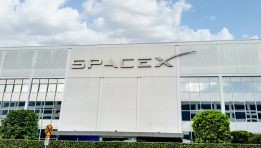
SpaceX is targeting a deployment pace exceeding 1 gigawatt (GW) of terrestrial artificial intelligence computing capacity per month by the
- Lior mor
- •
- 6 Min Read
- •
- ago 19 hours
SKN | Microsoft Faces Congressional Scrutiny Over Reported $500 Million ByteDance AI Deal
House Committee Seeks Details From Microsoft Microsoft (NASDAQ: MSFT) is facing congressional scrutiny following a report that the company was
- ago 19 hours
- •
- 6 Min Read

House Committee Seeks Details From Microsoft Microsoft (NASDAQ: MSFT) is facing congressional scrutiny following a report that the company was

- orshu
- •
- 7 Min Read
- •
- ago 19 hours
SKN | Intel Signals Strong AI Demand as 18A Manufacturing Advances and Capital Spending Shifts Toward 2028
` AI Demand Outpaces Available Supply Tan described the demand environment in direct terms, stating, "I just cannot supply
- ago 19 hours
- •
- 7 Min Read

` AI Demand Outpaces Available Supply Tan described the demand environment in direct terms, stating, "I just cannot supply
