





- sagi habasov
- •
- 7 Min Read
- •
- 4 minutes ago


Key Points
- Gold has remained above $4,000 an ounce despite a sharp increase in US Treasury yields, challenging the traditional relationship between bullion and real interest rates.
- Central bank buying and reserve diversification are helping support gold prices and creating a stronger demand base than in previous cycles.
- Chinese imports and potential renewed gold ETF inflows could provide additional support if the Federal Reserve eventually ends its tightening cycle.
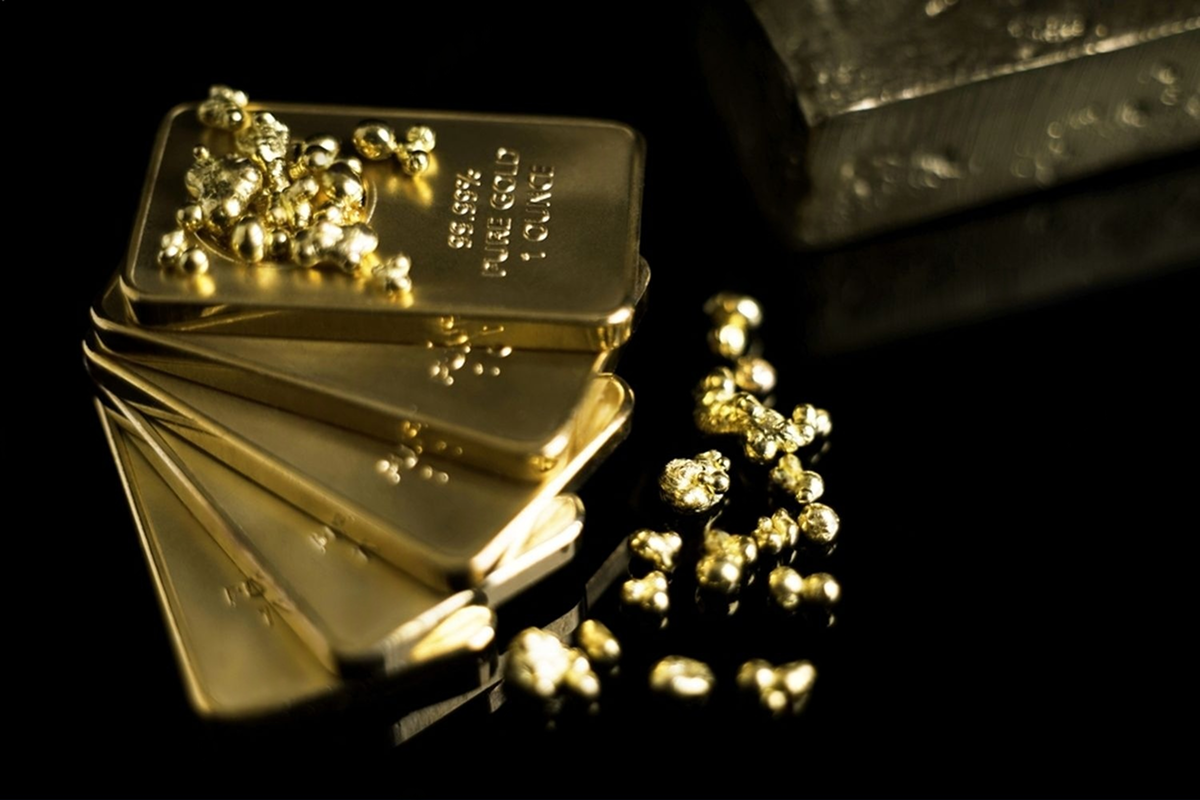
Gold has maintained its position above $4,000 an ounce despite a sharp rise in US Treasury yields, indicating that structural demand for bullion is increasingly offsetting one of its traditional headwinds. The resilience suggests that the post-2022 demand premium surrounding gold has become more entrenched, potentially changing how the metal responds to interest rates, currencies and global financial conditions.
Gold Defies the Traditional Interest-Rate Relationship
Gold typically faces pressure when real interest rates rise because bullion does not generate income. Between 2000 and Russia’s invasion of Ukraine in 2022, movements in US real yields and the dollar explained much of gold’s price behavior, according to the Reuters analysis.
The recent market environment has been different. Even as Treasury yields have climbed to levels not seen in decades, gold has continued trading above $4,000 an ounce. That resilience indicates that other sources of demand are increasingly influencing the metal’s valuation.
The shift is important because higher yields raise the opportunity cost of holding an asset that produces no interest or dividends. Gold’s ability to withstand that pressure suggests that investors and institutions are placing greater value on its role as a reserve and diversification asset.
Central Banks Provide a Structural Demand Floor
One of the most important changes in the gold market has been sustained central bank demand. Monetary authorities have increased gold purchases as part of broader efforts to diversify reserves, reducing dependence on traditional reserve assets and providing a source of demand that is less directly linked to short-term interest-rate movements.
According to the Reuters analysis, strong central bank demand is helping establish a potential price floor around $4,000 an ounce. This does not eliminate downside risks, but it indicates that the market now has a substantial structural buyer base that was less prominent in earlier cycles.
Reserve diversification can also become more important during periods of geopolitical and financial uncertainty. For global investors, this creates a different demand dynamic from ETF-driven rallies, where flows can change rapidly as interest rates and market sentiment shift.
China Adds Evidence of Underlying Demand
China is another important component of the current demand picture. Chinese gold imports suggest that physical demand remains relatively robust even as global financial conditions have become less supportive for non-yielding assets.
That demand matters because China represents one of the world’s largest gold markets. Continued purchases can help offset pressure from investors responding to higher yields or a stronger dollar, particularly when combined with central-bank accumulation.
Fed Policy Could Become the Next Catalyst
The outlook could become even more supportive for gold if the Federal Reserve eventually ends its tightening cycle. Gold ETF inflows are expected to return once monetary policy becomes less restrictive, according to the Reuters analysis, potentially adding financial-market demand to the existing physical and institutional base.
For investors in Israel and global markets, the key variables remain US real yields, Federal Reserve policy, the dollar, central-bank purchases and Chinese demand. Gold’s ability to remain above $4,000 despite elevated borrowing costs suggests that its market structure has changed since 2022, but the durability of that premium will ultimately depend on whether structural demand remains strong as monetary policy and global financial conditions evolve.
Comparison, examination, and analysis between investment houses
Leave your details, and an expert from our team will get back to you as soon as possible
* This article, in whole or in part, does not contain any promise of investment returns, nor does it constitute professional advice to make investments in any particular field.
To read more about the full disclaimer, click here
- Arik Arkadi Sluzki
- •
- 7 Min Read
- •
- ago 4 minutes
SKN | Europe’s Defence Spending Gives a Shrinking Refining Sector an Unexpected Demand Boost
Europe’s expanding defence budgets are providing an unexpected source of support for the continent’s shrinking oil-refining industry, as military
- ago 4 minutes
- •
- 7 Min Read

Europe’s expanding defence budgets are providing an unexpected source of support for the continent’s shrinking oil-refining industry, as military

- omer bar
- •
- 6 Min Read
- •
- ago 4 minutes
SKN | Wall Street Slips as Rising Treasury Yields Overwhelm Software Gains
Wall Street moved lower on Thursday as a sharp rise in US Treasury yields outweighed strength in software stocks,
- ago 4 minutes
- •
- 6 Min Read

Wall Street moved lower on Thursday as a sharp rise in US Treasury yields outweighed strength in software stocks,

- orshu
- •
- 6 Min Read
- •
- ago 2 hours
SKN | European Markets Close Sharply Lower as Major Benchmarks Face Broad Selling Pressure
European markets closed sharply lower on October 1, with selling pressure extending across every major equity benchmark in the
- ago 2 hours
- •
- 6 Min Read

European markets closed sharply lower on October 1, with selling pressure extending across every major equity benchmark in the
- orshu
- •
- 6 Min Read
- •
- ago 2 hours
SKN | Tel Aviv Stocks Diverge as TA-35 Gains 0.34% While TA-90 Slides 1.46%
Tel Aviv Market Opens October With Mixed Performance The Tel Aviv Stock Exchange closed October 1 with a sharp divergence
- ago 2 hours
- •
- 6 Min Read

Tel Aviv Market Opens October With Mixed Performance The Tel Aviv Stock Exchange closed October 1 with a sharp divergence

