




- sagi habasov
- •
- 7 Min Read
- •
- 4 minutes ago


Key Points
- Gold fell to $3,830.74 an ounce, its lowest level since October 2025, after a sharp reversal from its January record.
- A stronger U.S. dollar and rising Treasury yields are reducing bullion's appeal as markets price in tighter monetary policy.
- Despite continued central-bank and ETF demand, investors are watching the $3,800 level as gold faces its weakest annual performance in more than a decade.
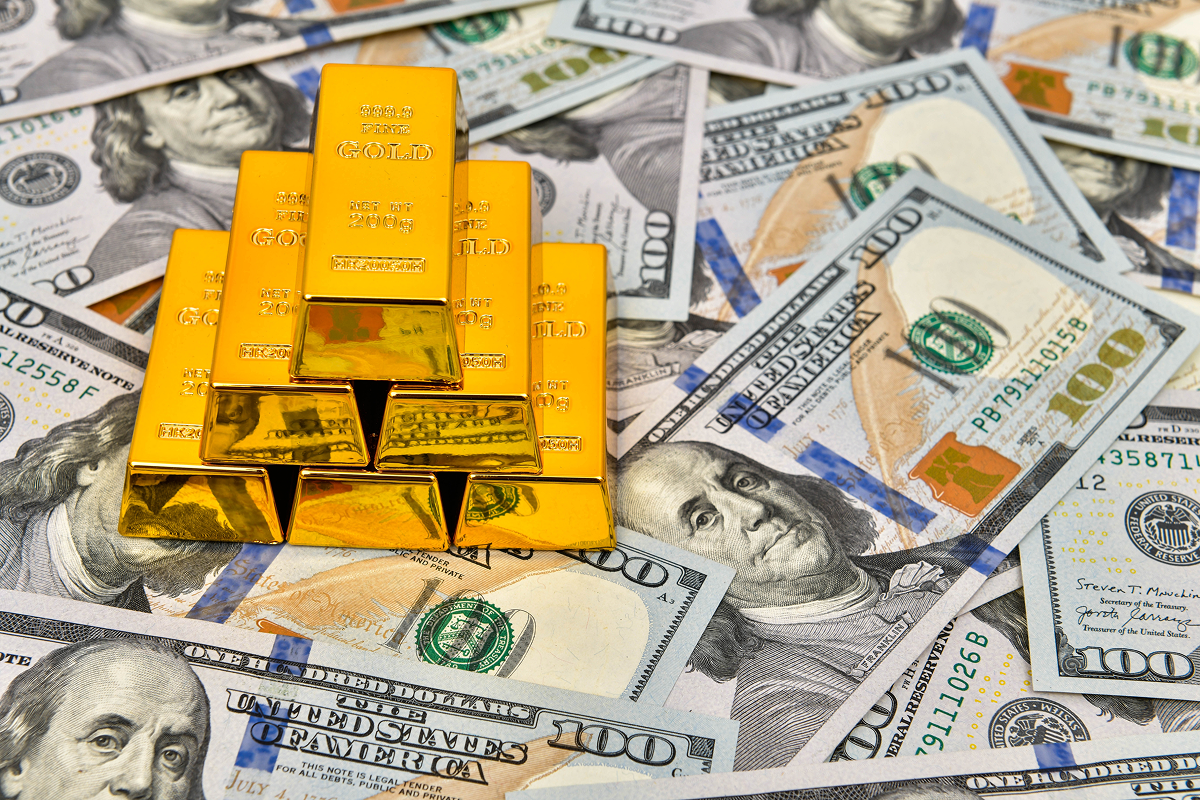
Gold has entered a more challenging phase as higher U.S. Treasury yields, a stronger dollar and expectations for tighter monetary policy combine to pressure the non-yielding asset. The decline has pushed bullion to a one-year low and placed it on course for its worst annual performance since 2015, highlighting how quickly the macroeconomic backdrop has shifted after a record-setting rally.
Higher Yields and a Stronger Dollar Weigh on Bullion
Gold prices reached $3,830.74 per troy ounce on Monday, the lowest level since October 2, 2025, according to a Reuters analysis. The move represents a 31.5% decline from the January record of $5,594.82 and leaves bullion facing substantial pressure as investors reassess expectations for interest rates.
The U.S. dollar, meanwhile, is hovering near its highest level since April 2025. Because gold is priced in dollars, a stronger U.S. currency makes bullion more expensive for buyers holding other currencies, potentially weakening demand.
Treasury yields have also risen as markets increasingly expect the Federal Reserve to raise interest rates by 25 basis points in December, with a smaller probability assigned to a 50-basis-point increase. Higher yields raise the opportunity cost of holding an asset that does not generate interest or dividends.
Liquidity Pressures Add Another Layer of Risk
The decline in gold is also occurring against a backdrop of broader market stress. Nvidia’s market value fell by approximately $1.9 trillion from early October through Friday, increasing pressure on investors to raise cash from liquid assets.
Nicky Shiels of MKS PAMP described gold as a liquidity asset in the short term, meaning it can become a source of funds when investors need to raise cash. This dynamic can temporarily overwhelm gold’s traditional role as a defensive asset, particularly when investors are reducing positions across markets simultaneously.
At the same time, geopolitical developments have complicated the inflation and monetary-policy outlook. The U.S.-Israeli war against Iran that began in late February has pushed oil prices higher, contributing to inflation concerns and reinforcing expectations that central banks could maintain tighter monetary conditions.
Central-Bank Demand Remains a Critical Support
Gold’s longer-term demand picture has not disappeared. Physically backed gold ETFs recorded 211 metric tons of inflows in the third quarter, despite higher bond yields and a stronger dollar. However, demand for physical bars and coins declined sharply, indicating that different segments of the gold market are responding differently to the price environment.
Central banks also purchased an estimated 675 tons of gold between January and September, according to the World Gold Council. Poland had been among the most active official buyers, although its central bank reached a 700-ton reserve target, potentially reducing the pace of future purchases.
China remains an important exception, with its central bank continuing to purchase bullion after two years of accumulation, supporting domestic investment sentiment.
$3,800 Becomes the Immediate Test
For the market, the psychologically important $3,800 level has so far remained intact. Its ability to hold could become an important reference point as investors assess whether the current decline is stabilizing or whether gold faces another leg lower.
Looking ahead, the interaction between Treasury yields, the dollar, Federal Reserve policy and central-bank demand will remain central to gold’s trajectory. If yields and the dollar continue rising, bullion could remain under pressure; a moderation in monetary-policy expectations or renewed demand from official and institutional buyers could provide a counterweight. For sophisticated investors, the key issue is increasingly whether the forces that drove gold’s earlier rally can regain momentum in a substantially less supportive macroeconomic environment.
Comparison, examination, and analysis between investment houses
Leave your details, and an expert from our team will get back to you as soon as possible
* This article, in whole or in part, does not contain any promise of investment returns, nor does it constitute professional advice to make investments in any particular field.
To read more about the full disclaimer, click here
- Ronny Mor
- •
- 7 Min Read
- •
- ago 4 minutes
SKN | Semiconductor Stocks Face Renewed Downside Risk as Recovery Loses Momentum
Semiconductor stocks are showing renewed signs of weakness after another recovery attempt failed to break through a significant technical
- ago 4 minutes
- •
- 7 Min Read

Semiconductor stocks are showing renewed signs of weakness after another recovery attempt failed to break through a significant technical

- orshu
- •
- 11 Min Read
- •
- ago 18 hours
SKN | Global Markets Weekly Outlook: Nvidia, Walmart, Home Depot Earnings and Key Economic Data to Shape November 16–20
Global financial markets enter the week of November 16–20 with an important combination of corporate earnings releases and economic indicators
- ago 18 hours
- •
- 11 Min Read

Global financial markets enter the week of November 16–20 with an important combination of corporate earnings releases and economic indicators

- sagi habasov
- •
- 8 Min Read
- •
- ago 1 day
SKN | US Flight Disruptions Expected to Continue Through Sunday After FAA Communications Failure
Nationwide Aviation Disruption Continues US air travel remained severely disrupted on Saturday as airlines worked to recover from a nationwide
- ago 1 day
- •
- 8 Min Read

Nationwide Aviation Disruption Continues US air travel remained severely disrupted on Saturday as airlines worked to recover from a nationwide

- omer bar
- •
- 6 Min Read
- •
- ago 1 day
Nikkei 225 Advances 4.03% on the Week to 61,142.35 as Japanese Equities Extend Their Recovery
Japanese equities ended the week on a positive note, with the Nikkei 225 recording a 4.03% gain over five
- ago 1 day
- •
- 6 Min Read

Japanese equities ended the week on a positive note, with the Nikkei 225 recording a 4.03% gain over five
