




- sagi habasov
- •
- 8 Min Read
- •
- 5 minutes ago


Key Points
- U.S. equities recorded broad weekly losses as concerns over AI infrastructure spending intensified, with the Nasdaq falling 3.37% and the S&P 500 declining 2.68%.
- Asian markets experienced particularly sharp pressure: the KOSPI fell 13.64% and the Nikkei 225 declined 9.25%, while the Hang Seng gained 5.10%.
- Israeli benchmarks retreated, with the TA-35 falling 2.90% and the TA-125 declining 2.93%, as technology and defense shares faced pressure.
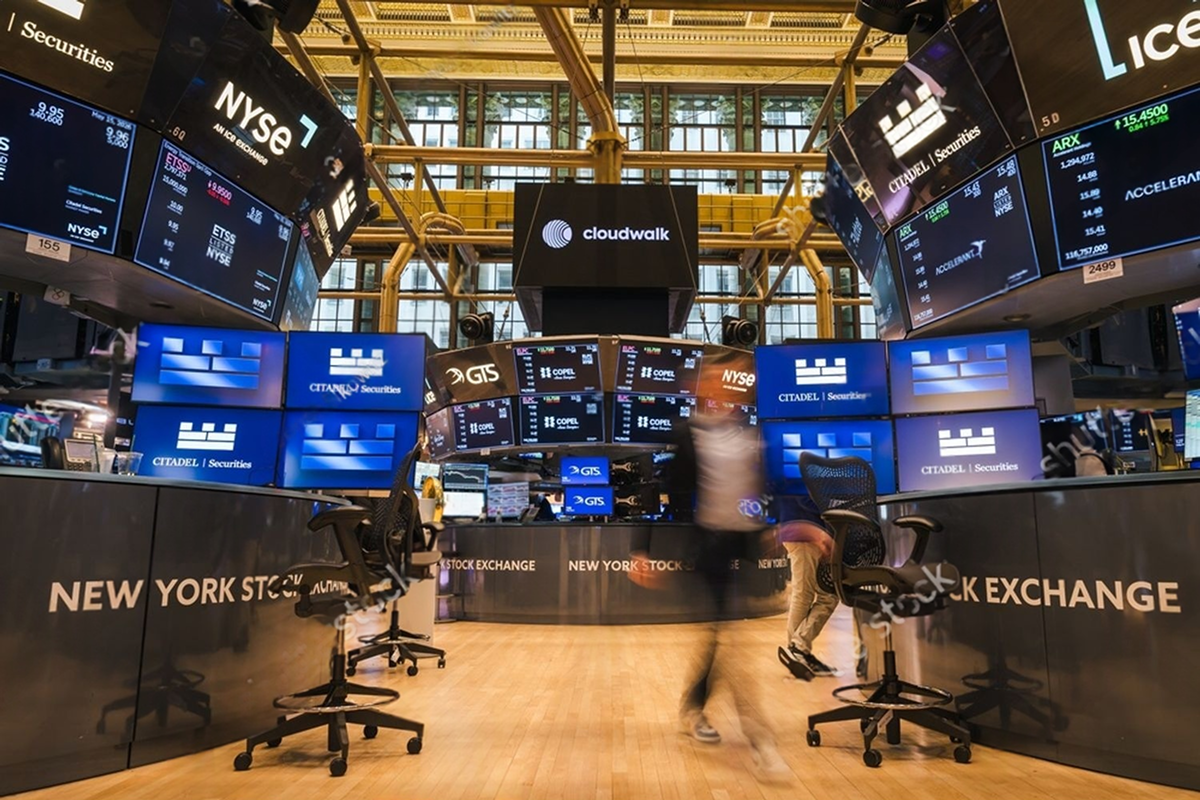
The week exposed a growing fault line in global markets: investors began questioning whether the enormous spending behind artificial intelligence can continue at its current pace without clearer evidence of returns. The resulting technology selloff spread across major markets, hitting semiconductor-heavy indexes particularly hard. Yet the performance was not uniformly negative: the Hang Seng advanced, France’s CAC 40 gained ground, and the Shanghai Composite finished higher, illustrating how regional market composition and local developments shaped the response.
Wall Street Reassesses the Cost of the AI Boom
U.S. equities ended the five-day period lower across all four major benchmarks in the supplied data. The Nasdaq Composite fell 3.37%, the S&P 500 declined 2.68%, the Russell 2000 lost 2.05%, and the Dow Jones Industrial Average fell 0.94%. The US Dollar Index moved in the opposite direction, gaining 0.52%. The sharper decline in the Nasdaq reflected the pressure on technology and semiconductor companies, whose valuations have been closely tied to expectations for continued AI-related investment.
The immediate catalyst was a reassessment of the AI infrastructure outlook following the U.S. midterm elections. Reuters reported that investors were concerned that a Democrat-controlled Congress could increase scrutiny of data-center construction and potentially slow investment. Weak Qualcomm results added to pressure on chipmakers. On November 5, the Philadelphia Semiconductor Index suffered a particularly severe decline, while the Nasdaq lost more than 5% in that session. Friday’s rebound in the Nasdaq and S&P 500 did not erase their weekly losses. The distinction matters: investors were not abandoning artificial intelligence as a long-term theme, but were questioning the pace, financing and commercial returns of the current spending cycle.
Asia’s Semiconductor Exposure Drives a Deep Regional Divide
Asia recorded the most dramatic divergence. South Korea’s KOSPI plunged 13.64% and Japan’s Nikkei 225 fell 9.25%. By contrast, Hong Kong’s Hang Seng Index gained 5.10%, while the Shanghai SSE Composite advanced 1.39%. The KOSPI’s decline was especially severe on November 6, when the index dropped 6.02% in one session and trading was temporarily halted after an intraday plunge. Samsung Electronics and SK Hynix, two major index constituents, fell sharply as investors reassessed the outlook for semiconductor demand and AI data-center investment. Reuters also reported substantial foreign selling in South Korean equities.
Japan faced similar pressure because of the Nikkei’s exposure to technology and semiconductor-related companies. The Hang Seng’s gain, meanwhile, shows that the regional selloff was not universal. Differences in sector composition, company exposure and local market dynamics produced sharply contrasting outcomes. China’s Shanghai Composite also advanced, providing a more resilient result than the major Northeast Asian technology-heavy benchmarks.
European and Israeli Markets Reflect Different Pressures
European performance was mixed. The DAX was nearly unchanged, gaining 0.01%, while the CAC 40 rose 2.13%. The FTSE 100 fell 0.52%, and MSCI Europe declined 0.61%. These figures suggest that the global technology shock did not translate into uniform losses across European markets. Sector composition and domestic factors remained important differentiators.
Israel’s TA-35 fell 2.90%, while the broader TA-125 declined 2.93%. The pressure became visible on November 5, when both benchmarks recorded substantial losses as Wall Street opened sharply lower. Globes reported declines in defense, technology, insurance and construction shares; Tower Semiconductor, Camtek and Next Vision were among the notable technology-related losers. The session also coincided with unusually high equity turnover linked partly to index rebalancing, meaning trading activity should not be attributed entirely to investor withdrawals. The figures point to broad market sensitivity to international technology weakness, although they do not establish a single cause for the full weekly decline.
AI Spending, Corporate Results and Market Confidence in Focus
The next test for global equities will be whether technology companies can provide convincing evidence that AI-related capital expenditure is translating into sustainable revenue and productivity gains. Investors will also monitor policy developments affecting data-center construction, semiconductor supply chains and energy infrastructure. In Asia, the scale of the KOSPI and Nikkei declines raises questions about whether selling pressure will stabilize or spread further. For Israel, the resilience of technology and defense companies, alongside developments in global markets, will remain important. The central issue heading into the next week is no longer simply how much companies intend to spend on AI, but whether the expected economic returns can justify that spending.
Comparison, examination, and analysis between investment houses
Leave your details, and an expert from our team will get back to you as soon as possible
* This article, in whole or in part, does not contain any promise of investment returns, nor does it constitute professional advice to make investments in any particular field.
To read more about the full disclaimer, click here
- sagi habasov
- •
- 7 Min Read
- •
- ago 7 days
SKN | U.S. Stock Market Weekly Review: Healthcare and AI Infrastructure Rally as Software and Semiconductor Stocks Slide
U.S. equity markets experienced a pronounced divergence in individual stock performance during the week, as healthcare and AI infrastructure-related
- ago 7 days
- •
- 7 Min Read
U.S. equity markets experienced a pronounced divergence in individual stock performance during the week, as healthcare and AI infrastructure-related

- orshu
- •
- 8 Min Read
- •
- ago 1 week
SKN | Global Markets Weekly Performance Review: October 26 to October 30, 2026
The final week of October exposed a growing divide between markets that benefited from broader regional strength and those
- ago 1 week
- •
- 8 Min Read

The final week of October exposed a growing divide between markets that benefited from broader regional strength and those
- orshu
- •
- 7 Min Read
- •
- ago 2 weeks
SKN | Global Markets Weekly Performance Review: October 19 to October 23, 2026
Wall Street’s mixed performance concealed a broader global retreat as investors reassessed the cost of artificial-intelligence expansion and reacted
- ago 2 weeks
- •
- 7 Min Read
Wall Street’s mixed performance concealed a broader global retreat as investors reassessed the cost of artificial-intelligence expansion and reacted
- orshu
- •
- 7 Min Read
- •
- ago 3 weeks
SKN | Global Markets Weekly Review: October 12 to October 16, 2026
Global markets delivered a week of pronounced regional divergence between October 12 and October 16, as concerns over inflation,
- ago 3 weeks
- •
- 7 Min Read

Global markets delivered a week of pronounced regional divergence between October 12 and October 16, as concerns over inflation,
