





- omer bar
- •
- 8 Min Read
- •
- 3 hours ago
Key Points
- The U.S. national average gasoline price fell below $4 per gallon, reaching $3.99 as oil prices continued to decline.
- Brent crude has dropped roughly 13% over the past five trading sessions following the U.S.-Iran peace agreement and expected reopening of the Strait of Hormuz.
- Analysts expect further relief at the pump, with national average gasoline prices potentially falling toward $3.70 per gallon in the coming months.
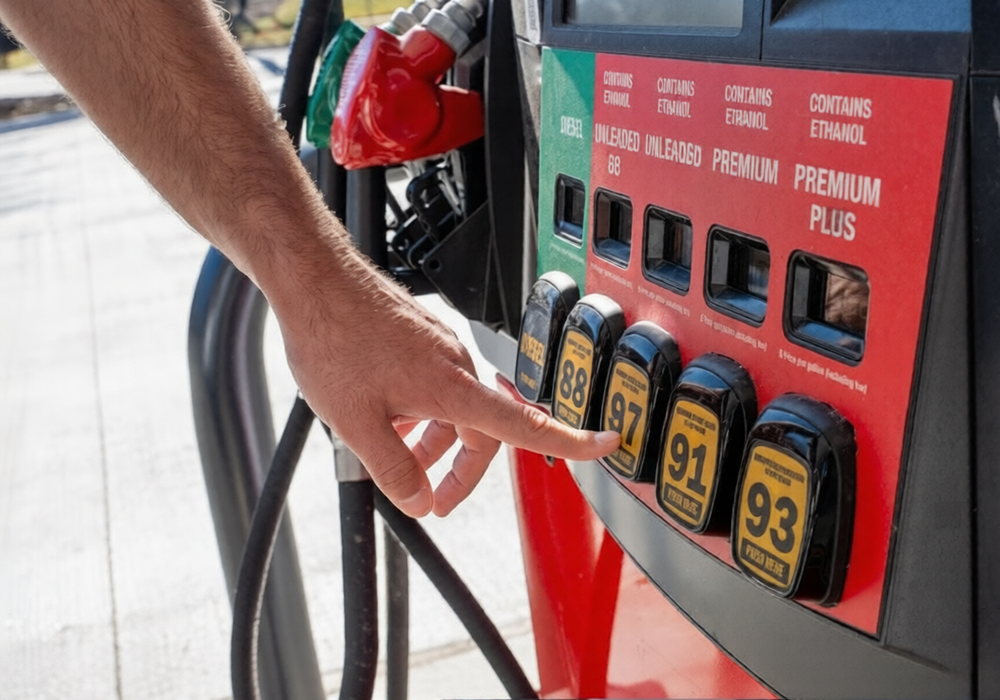
Gas Prices Provide Relief for Consumers
American drivers received welcome news as the national average price for gasoline dropped below $4 per gallon on Thursday, reaching $3.99 according to AAA data. The decline comes just as the summer driving season begins, offering relief to consumers who faced sharply higher fuel costs during the recent Middle East conflict.
Only one month ago, gasoline prices averaged more than $4.50 per gallon nationwide as the Iran conflict disrupted global energy markets. Diesel prices climbed even higher, exceeding $5.60 per gallon during the peak of the crisis.
Oil Market Stabilizes After Iran Agreement
Fuel prices have eased significantly after crude oil markets reacted positively to a diplomatic breakthrough between the United States and Iran.
President Donald Trump announced earlier this week that Washington and Tehran had agreed to a 60-day memorandum of understanding aimed at ending the conflict and reopening the Strait of Hormuz to commercial shipping.
The Strait of Hormuz is one of the world’s most important energy transit routes. Its disruption removed more than one billion barrels of oil from global markets, contributing to a surge in crude prices and higher fuel costs worldwide.
Since the agreement was announced, Brent crude prices have fallen approximately 13% over five trading sessions, dropping below $80 per barrel for the first time since the early stages of the conflict. U.S. West Texas Intermediate crude has declined even further, falling roughly 15% to trade below $75 per barrel.
Why Gasoline Prices Lag Behind Oil
Despite the sharp decline in oil prices, gasoline remains more expensive than before the conflict began.
Analysts point to the well-known “rockets and feathers” phenomenon, where gasoline prices tend to rise quickly when crude oil increases but fall more slowly when oil prices decline.
Gasoline and diesel prices also reflect refining costs, transportation expenses, inventory levels, and regional supply conditions. These factors often delay the full benefit of lower crude oil prices from reaching consumers.
Recent credit card spending data has shown that Americans have been allocating more of their household budgets toward fuel purchases, reducing discretionary spending in other categories.
Potential Risks Remain
While fuel prices are moving lower, uncertainty remains regarding the full reopening of the Strait of Hormuz and the pace of global supply normalization.
AAA noted that summer travel demand could limit further declines in gasoline prices even if crude oil continues to weaken.
Another concern is Tropical Storm Arthur, which is forecast to impact the U.S. Gulf Coast. The region houses the nation’s largest concentration of refineries, many of which are currently operating near maximum capacity.
According to the Energy Information Administration, U.S. refineries are running at approximately 97% utilization. Any weather-related disruptions could tighten fuel supplies and temporarily slow price declines.
Outlook for Fuel Prices
Market analysts remain cautiously optimistic about the direction of fuel prices.
GasBuddy’s Patrick De Haan expects national average gasoline prices to trend toward $3.70 per gallon as shipping activity resumes through the Strait of Hormuz and global oil supplies recover. Diesel prices are also expected to move below $5 per gallon in the near term.
If energy markets remain stable and the Atlantic hurricane season does not significantly disrupt refinery operations, some analysts believe the national average gasoline price could fall below $3 per gallon by the end of 2026, with diesel potentially dropping below $4 per gallon.
For consumers, lower fuel costs could provide an important boost to household budgets during the second half of the year, helping offset broader inflationary pressures and supporting spending across the U.S. economy.
Comparison, examination, and analysis between investment houses
Leave your details, and an expert from our team will get back to you as soon as possible
* This article, in whole or in part, does not contain any promise of investment returns, nor does it constitute professional advice to make investments in any particular field.
To read more about the full disclaimer, click here
- Lior mor
- •
- 6 Min Read
- •
- ago 24 hours
SKN | Oil Rebounds as Trump Casts Doubt on Iran Ceasefire
Oil Prices Recover After Sharp Selloff Crude oil prices moved higher on Wednesday, recovering from recent declines as renewed uncertainty
- ago 24 hours
- •
- 6 Min Read

Oil Prices Recover After Sharp Selloff Crude oil prices moved higher on Wednesday, recovering from recent declines as renewed uncertainty

- orshu
- •
- 6 Min Read
- •
- ago 2 days
SKN | Oil Prices Hit Three-Month Low, but Hormuz Shipping Risks Keep Energy Markets on Edge
Global oil markets entered the week under pressure as benchmark crude prices declined to their lowest levels in approximately
- ago 2 days
- •
- 6 Min Read
Global oil markets entered the week under pressure as benchmark crude prices declined to their lowest levels in approximately
- Lior mor
- •
- 9 Min Read
- •
- ago 2 days
SKN | Oil Extends Worst Losing Streak of 2026 as Hormuz Agreement Reshapes Market Outlook
Crude oil continued its sharp retreat on Tuesday as markets increasingly priced in a recovery of Persian Gulf energy exports
- ago 2 days
- •
- 9 Min Read

Crude oil continued its sharp retreat on Tuesday as markets increasingly priced in a recovery of Persian Gulf energy exports
- Lior mor
- •
- 6 Min Read
- •
- ago 1 week
SKN | Strait of Hormuz Risks Return to Center Stage as Trump Warns of Prolonged Disruption
Global markets entered the week facing renewed geopolitical uncertainty after former U.S. President Donald Trump warned that a breakdown
- ago 1 week
- •
- 6 Min Read

Global markets entered the week facing renewed geopolitical uncertainty after former U.S. President Donald Trump warned that a breakdown


