





- Lior mor
- •
- 6 Min Read
- •
- 4 hours ago
Key Points
- US President Donald Trump warned that a collapse in negotiations with Iran could leave the Strait of Hormuz disrupted for months.
- Energy markets are reassessing geopolitical risk premiums amid concerns over global oil supply security.
- Investors are increasingly monitoring the potential impact on inflation, shipping costs, currencies, and broader financial markets.
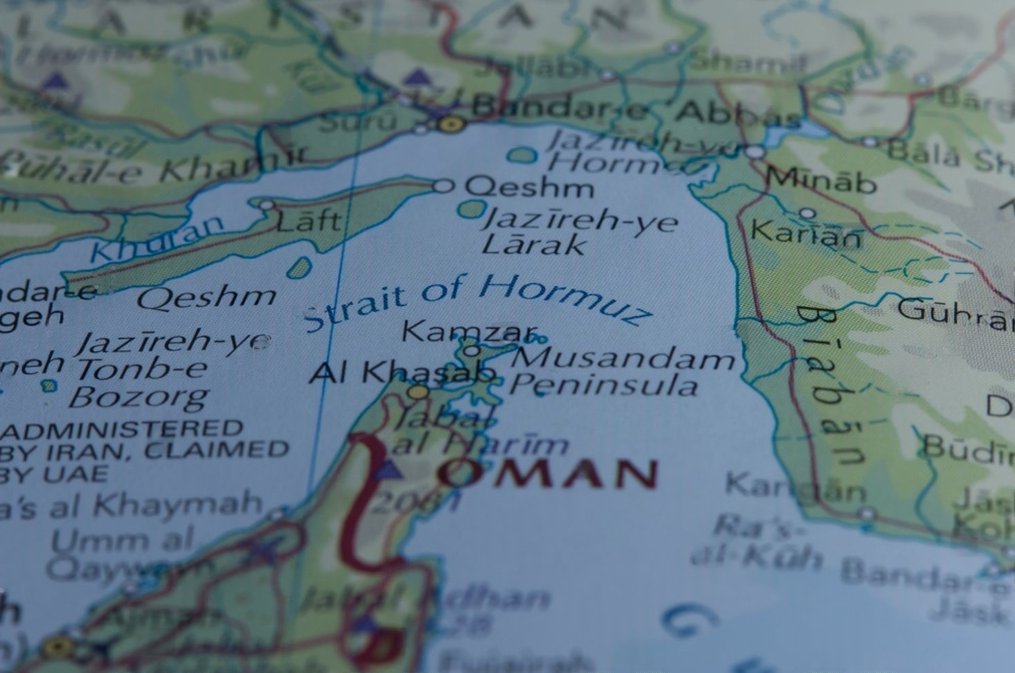
Global markets entered the week facing renewed geopolitical uncertainty after former U.S. President Donald Trump warned that a breakdown in peace negotiations with Iran could result in the Strait of Hormuz remaining disrupted for months. The comments immediately refocused investor attention on one of the world’s most critical energy chokepoints, through which roughly one-fifth of global oil consumption typically passes.
While no disruption has been confirmed, the statement highlights growing concerns about energy security and the potential economic consequences of prolonged instability in the Middle East. Financial markets are increasingly weighing geopolitical risks alongside inflation, interest-rate expectations, and slowing global growth indicators.
Why the Strait of Hormuz Matters to Global Markets
The Strait of Hormuz connects the Persian Gulf with international shipping routes and serves as a vital artery for crude oil and liquefied natural gas exports. Any significant interruption to traffic through the passage could create immediate supply concerns, particularly for major importers across Asia and Europe.
Historically, even the possibility of disruptions has been sufficient to trigger higher oil prices and increased market volatility. Energy traders often incorporate a geopolitical premium into crude prices when regional tensions rise, reflecting the possibility of future supply constraints rather than actual shortages. The latest developments have revived those concerns, particularly as global energy inventories remain uneven across regions.
Inflation Risks and Central Bank Challenges
A sustained increase in oil prices could complicate the outlook for inflation at a time when many central banks are attempting to balance economic growth with price stability. Higher energy costs tend to filter through transportation, manufacturing, and consumer goods sectors, potentially slowing the disinflation trend observed in several developed economies.
For investors, the implications extend beyond commodities. Rising oil prices may influence bond yields, currency valuations, and equity sector performance. Defensive assets such as the U.S. dollar have historically benefited during periods of elevated geopolitical uncertainty, while energy-sensitive industries often face increased margin pressure.
Implications for Israel and Regional Investors
Israeli investors are particularly sensitive to developments involving Iran and regional security dynamics. Beyond the direct geopolitical implications, higher energy prices can affect inflation expectations, shekel volatility, and broader market sentiment across the region.
At the same time, energy-sector companies may experience differing impacts depending on commodity price movements and supply-chain developments. Institutional investors are likely to remain focused on assessing both the macroeconomic consequences and the evolving geopolitical landscape rather than reacting solely to headline-driven volatility.
Outlook: Investors will closely monitor diplomatic developments between Iran and Western powers, shipping activity through the Strait of Hormuz, and movements in global energy markets. While a negotiated outcome could reduce geopolitical risk premiums and stabilize commodity prices, a prolonged escalation may contribute to higher inflation expectations, increased market volatility, and tighter financial conditions. The most credible base-case scenario remains one in which markets continue to price elevated uncertainty rather than a full-scale supply disruption; however, downside risks remain significant and warrant close attention from global asset allocators.
Comparison, examination, and analysis between investment houses
Leave your details, and an expert from our team will get back to you as soon as possible
* This article, in whole or in part, does not contain any promise of investment returns, nor does it constitute professional advice to make investments in any particular field.
To read more about the full disclaimer, click here
- fidji
- •
- 6 Min Read
- •
- ago 5 days
SKN | Oil Prices Fall 3% as Trump Signals Reluctance to Restart Iran Conflict
Oil Retreats on Signs of De-Escalation Crude oil prices declined sharply on Thursday as investors reacted to reports suggesting the
- ago 5 days
- •
- 6 Min Read

Oil Retreats on Signs of De-Escalation Crude oil prices declined sharply on Thursday as investors reacted to reports suggesting the
- article@skn.co.il
- •
- 6 Min Read
- •
- ago 1 week
SKN | Venezuelan Heavy Crude Influx Reconfigures Atlantic Basin Refining Margins
Reconfiguring Supply in the Dense, High-Sulfur Crude Segment The sustained expansion of heavy-density crude exports from Venezuela represents a significant
- ago 1 week
- •
- 6 Min Read
Reconfiguring Supply in the Dense, High-Sulfur Crude Segment The sustained expansion of heavy-density crude exports from Venezuela represents a significant
- article@skn.co.il
- •
- 6 Min Read
- •
- ago 1 week
SKN | US Iran Diplomatic Channels Blunt Structural Spikes in Global Crude Pricing
The Friction Framework in Energy Asset Pricing Geopolitical friction between major energy-producing nations and economic superpowers directly reconfigures global capital
- ago 1 week
- •
- 6 Min Read
The Friction Framework in Energy Asset Pricing Geopolitical friction between major energy-producing nations and economic superpowers directly reconfigures global capital
- omer bar
- •
- 7 Min Read
- •
- ago 2 weeks
SKN | Why Are Oil Markets Swinging Wildly as Investors Struggle to Price a Possible US-Iran Ceasefire?
Oil markets ended Thursday in mixed territory after another volatile trading session dominated by uncertainty surrounding a possible extension of
- ago 2 weeks
- •
- 7 Min Read
Oil markets ended Thursday in mixed territory after another volatile trading session dominated by uncertainty surrounding a possible extension of


