




- Arik Arkadi Sluzki
- •
- 6 Min Read
- •
- 2 minutes ago


Key Points
- Fed Governor Michael Barr said the U.S. should prepare for potentially serious short-term labor-market disruption as AI deployment accelerates.
- Rapid adoption could displace workers at scale and potentially widen inequality between labor income and returns accruing to investors.
- Barr said labor’s share of income reached a record low of 52.8% in the second quarter of 2026, while higher inflation has been one of AI’s main effects so far.
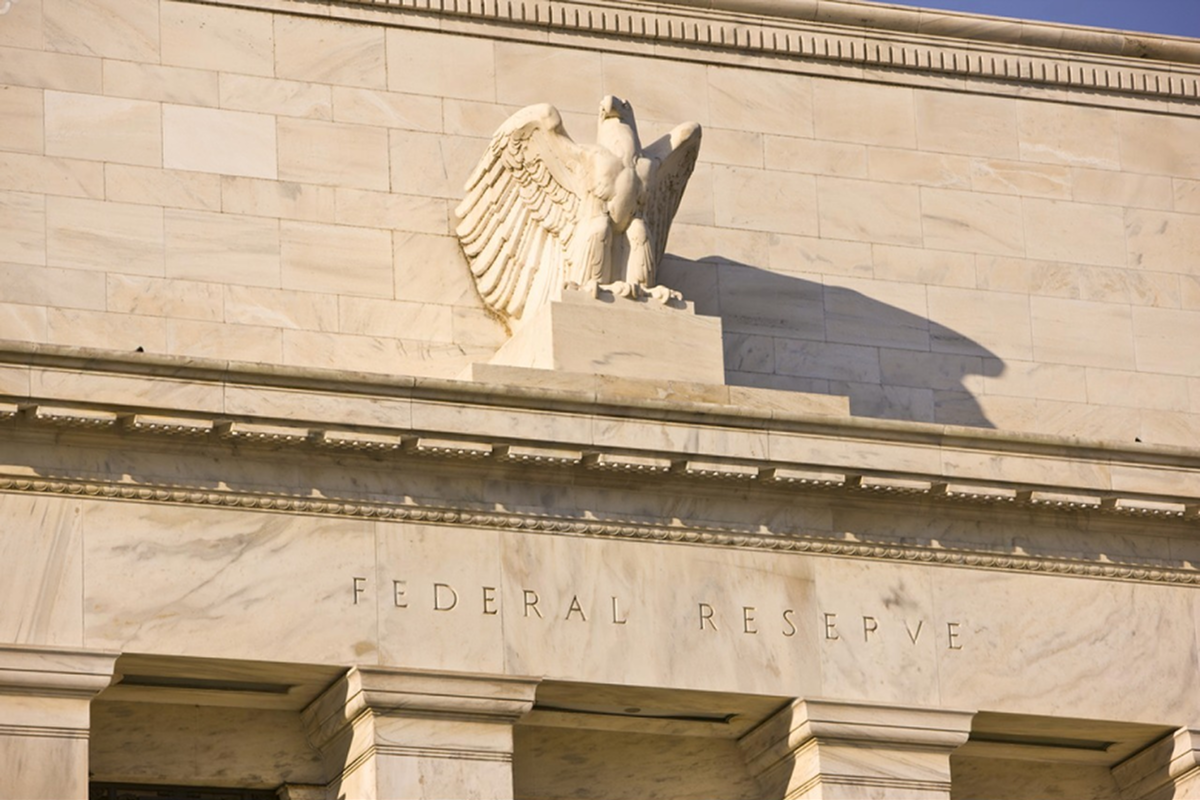
The Federal Reserve is increasingly examining artificial intelligence not only as a productivity opportunity but also as a potential source of significant labor-market disruption. Fed Governor Michael Barr said the United States should prepare for serious short-term effects if AI is deployed rapidly enough to replace workers at scale, potentially shifting a greater share of economic gains toward investors.
AI Could Reshape the U.S. Labor Market
Barr did not predict that mass displacement will occur, but argued that the pace of AI deployment could determine how severe its effects become. Faster adoption could allow businesses to automate a wider range of tasks and reduce demand for certain categories of workers, creating adjustment pressures across the economy.
That possibility has implications beyond employment. Barr warned that AI-driven changes could contribute to widening inequality if capital owners capture a larger portion of productivity gains while workers experience weaker wage growth or job displacement. The distribution of AI-related economic benefits could therefore become an increasingly important issue for policymakers.
Labor’s Share of Income Raises Another Concern
Barr said labor’s share of income fell to a record low of 52.8% in the second quarter of 2026. The measure provides another indication of the changing relationship between compensation and the broader income generated by the economy, although the data alone does not establish that AI is responsible for the decline.
The development is particularly relevant as companies invest heavily in automation, computing infrastructure and AI-enabled productivity tools. If technological investment allows companies to produce more with fewer workers, the resulting productivity gains could be substantial, but their distribution across employees, businesses and investors will remain a central economic question.
Inflation Has Been a Key AI Effect So Far
Barr also said that one of the main effects of AI so far has been higher inflation. That assessment adds complexity to the broader debate over whether AI should immediately be viewed as a disinflationary force through productivity gains. In the near term, the technology can require significant investment, infrastructure spending and competition for specialized labor and resources.
For the Federal Reserve, these developments create a difficult policy landscape. AI could eventually increase productivity and expand the economy’s productive capacity, while the transition toward that outcome could generate labor-market volatility, investment pressures and changes in income distribution.
Federal Reserve Prepares for a Deeper AI Assessment
Barr’s comments come after the U.S. midterm elections, which featured political debate over the rapid expansion of AI infrastructure. They also precede a public Federal Reserve forum in San Francisco, where a task force appointed by Fed Chairman Kevin Warsh is expected to examine the technology’s implications for the economy.
The next stage of the debate will depend on evidence from employment, productivity, wages and corporate AI deployment. Policymakers will be watching whether automation begins producing measurable changes in labor demand or whether productivity gains emerge without broad-based job losses. For global markets, the pace of that transition could influence inflation expectations, corporate profitability, wage growth and the distribution of economic returns well beyond the technology sector.
Comparison, examination, and analysis between investment houses
Leave your details, and an expert from our team will get back to you as soon as possible
* This article, in whole or in part, does not contain any promise of investment returns, nor does it constitute professional advice to make investments in any particular field.
To read more about the full disclaimer, click here
- sagi habasov
- •
- 6 Min Read
- •
- ago 1 minute
SKN | Lawsuit Seeks to Halt Frontier AI Development at OpenAI, Google and Anthropic
A group of technology-focused nonprofits has launched a legal challenge against several of the world’s leading artificial intelligence companies, seeking
- ago 1 minute
- •
- 6 Min Read
A group of technology-focused nonprofits has launched a legal challenge against several of the world’s leading artificial intelligence companies, seeking

- Ronny Mor
- •
- 6 Min Read
- •
- ago 1 minute
SKN | IMF Watches AI Valuations Closely as Investors Reassess the Sector’s Profitability
The International Monetary Fund is closely watching recent volatility in artificial intelligence-related equities as investors question whether the sector’s elevated
- ago 1 minute
- •
- 6 Min Read

The International Monetary Fund is closely watching recent volatility in artificial intelligence-related equities as investors question whether the sector’s elevated

- Lior mor
- •
- 6 Min Read
- •
- ago 2 minutes
SKN | AMD Expands Quantum Computing Push With Investment in PsiQuantum
AMD is expanding its involvement in quantum computing through an equity investment in PsiQuantum, linking one of the semiconductor
- ago 2 minutes
- •
- 6 Min Read
AMD is expanding its involvement in quantum computing through an equity investment in PsiQuantum, linking one of the semiconductor
- Ronny Mor
- •
- 5 Min Read
- •
- ago 3 hours
SpaceX Plans $74 Billion AI Supercomputing Investment in Texas and Arizona
SpaceX Expands Its AI Infrastructure Ambitions SpaceX plans to invest more than $74 billion in two supercomputing campuses in Texas
- ago 3 hours
- •
- 5 Min Read

SpaceX Expands Its AI Infrastructure Ambitions SpaceX plans to invest more than $74 billion in two supercomputing campuses in Texas
