




- omer bar
- •
- 6 Min Read
- •
- 9 hours ago


Key Points
- U.S. consumer inflation accelerated to 3.7% year over year in September, while producer prices rose 1.3% month over month, intensifying concerns among Federal Reserve policymakers.
- Officials are divided over how aggressively to respond, with persistent services inflation raising concerns that price pressures may be broader than energy costs and tariffs alone.
- Markets are reassessing the outlook for another rate increase at the Fed’s October 27–28 meeting, with incoming inflation data and Chair Kevin Warsh’s comments likely to influence expectations.
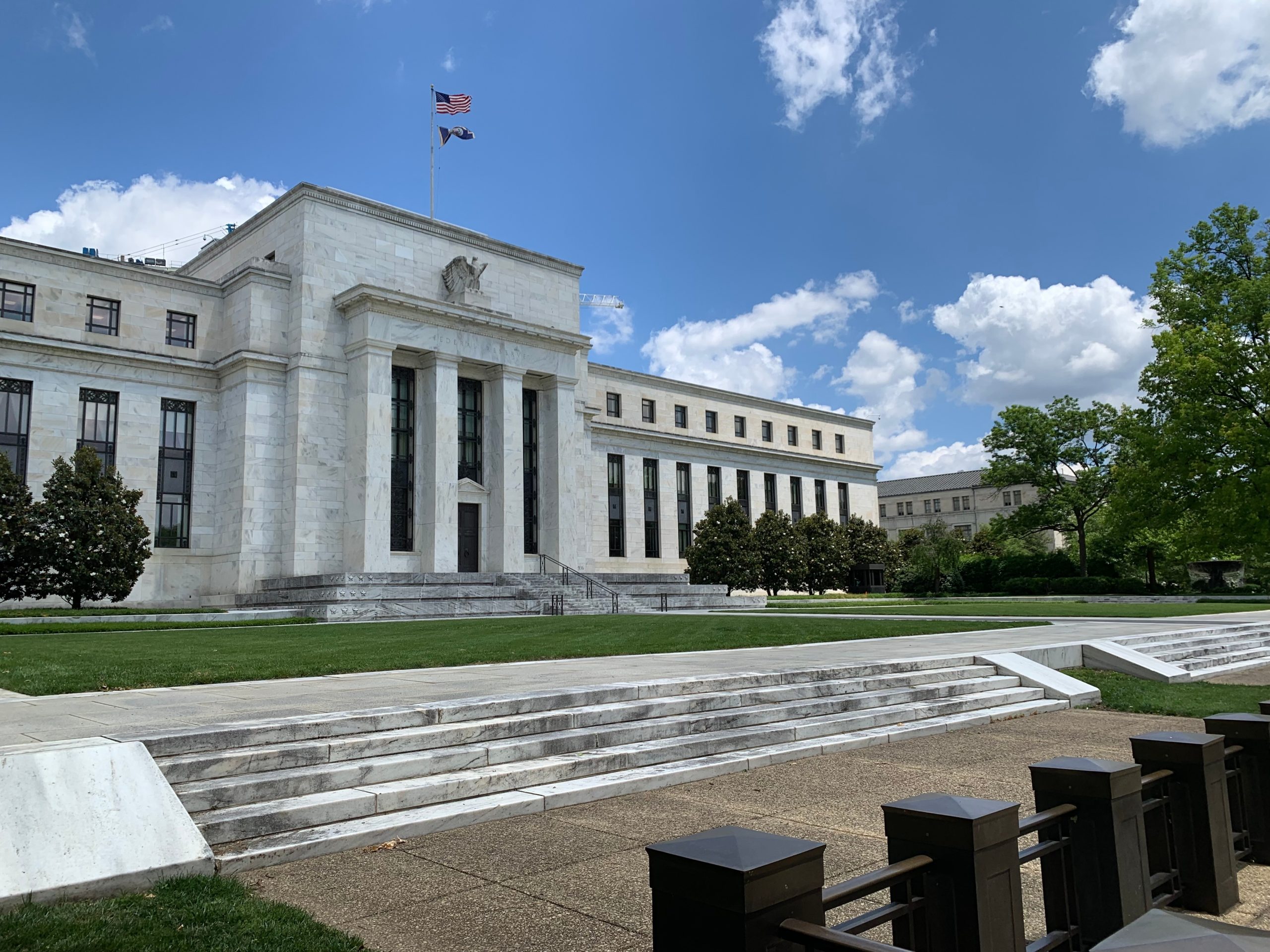
Federal Reserve officials are expressing renewed concern that inflation in the United States remains too persistent, complicating the central bank’s efforts to balance price stability with economic growth. Stronger-than-expected consumer and producer price data have raised questions about whether monetary policy will need to remain restrictive for longer, even as financial-market volatility creates pressure for a more cautious approach.
Inflation Data Challenges the Fed’s Policy Outlook
September’s Consumer Price Index rose 3.7% from a year earlier, accelerating from 3.4% in August. Monthly consumer inflation increased 0.6%, while core inflation, which excludes food and energy, reached 2.6% annually and rose 0.3% month over month. The figures suggest that inflationary pressure is not confined entirely to volatile energy prices.
Producer prices delivered another warning. The Producer Price Index climbed 1.3% in September, its largest monthly increase since March 2022, while the annual rate reached 6.3%. Energy costs were a major contributor, but core producer prices also rose 0.7% during the month. Rising wholesale prices matter because businesses may eventually pass higher input costs on to consumers, potentially delaying progress toward the Fed’s 2% inflation target.
Fed Officials Face a Difficult Policy Trade-Off
Chicago Fed President Austan Goolsbee described the September consumer inflation report as discouraging, highlighting persistent price increases in services that cannot easily be explained by tariffs or oil prices alone. His concern reflects a broader challenge for policymakers: determining whether the latest readings represent temporary shocks or a more durable resurgence in inflation.
The Fed has already raised its benchmark interest-rate target to a range of 3.75%–4%. Further tightening could help restrain demand and prevent inflation expectations from becoming entrenched, but it could also increase borrowing costs for households and businesses. Other officials have signaled a more cautious approach, underscoring that the latest data has not produced a uniform view on the next policy move.
Markets Reassess the Risk of Another Rate Increase
The inflation surprise has put the October 27–28 policy meeting under closer scrutiny. Market expectations for an immediate increase have fluctuated as investors weigh the latest figures against earlier signals from policymakers. The debate also extends beyond October: if price pressures persist, the Fed could face pressure to tighten policy again later in the year or maintain elevated rates into 2027.
For global investors, the implications reach well beyond the United States. Expectations for higher U.S. rates can support the dollar, influence Treasury yields and affect financing conditions across international markets. Israeli investors may also feel the effects through currency movements, global equity valuations and changes in the cost of capital.
Attention now turns to Kevin Warsh’s public remarks at the International Monetary Fund meetings in Bangkok and to upcoming inflation indicators. A further acceleration in prices could strengthen the case for additional tightening, while evidence of easing underlying pressures may give policymakers room to wait. The key question is whether inflation is experiencing a temporary rebound or becoming persistent enough to force another change in the Fed’s policy path.
Comparison, examination, and analysis between investment houses
Leave your details, and an expert from our team will get back to you as soon as possible
* This article, in whole or in part, does not contain any promise of investment returns, nor does it constitute professional advice to make investments in any particular field.
To read more about the full disclaimer, click here
- sagi habasov
- •
- 6 Min Read
- •
- ago 10 hours
SKN | Social Security Taxable Income Cap to Rise to $192,300 in 2027: What Workers Need to Know
The US Social Security Administration has set the maximum amount of annual earnings subject to Social Security tax at $192,300
- ago 10 hours
- •
- 6 Min Read

The US Social Security Administration has set the maximum amount of annual earnings subject to Social Security tax at $192,300

- Ronny Mor
- •
- 6 Min Read
- •
- ago 13 hours
SKN | How Surging Diesel Prices Are Starting to Push Up Costs Across the U.S. Economy
Surging diesel prices are increasingly affecting the broader U.S. economy, extending the impact of higher energy costs well beyond
- ago 13 hours
- •
- 6 Min Read

Surging diesel prices are increasingly affecting the broader U.S. economy, extending the impact of higher energy costs well beyond

- omer bar
- •
- 7 Min Read
- •
- ago 16 hours
SKN | U.S. Housing Market Hits Record Imbalance as Home Sellers Outnumber Buyers by 63%
The U.S. housing market recorded its widest seller-buyer imbalance in Redfin’s data dating back to 2013, as more homeowners
- ago 16 hours
- •
- 7 Min Read

The U.S. housing market recorded its widest seller-buyer imbalance in Redfin’s data dating back to 2013, as more homeowners
- omer bar
- •
- 8 Min Read
- •
- ago 21 hours
SKN | U.S. Treasury Pushes Back Against IMF Debt Warning as Federal Borrowing Exceeds $40 Trillion
Treasury Pushes Back Against IMF's Fiscal Warning The U.S. Treasury has challenged the International Monetary Fund's warnings about the country's
- ago 21 hours
- •
- 8 Min Read
Treasury Pushes Back Against IMF's Fiscal Warning The U.S. Treasury has challenged the International Monetary Fund's warnings about the country's
