





- Ronny Mor
- •
- 9 Min Read
- •
- 7 hours ago
Key Points
- Analysts believe the Fed may shift from an easing bias to a neutral policy stance as inflation accelerates.
- U.S. inflation reached 4.2% in May, the highest level in three years, increasing pressure on policymakers.
- A neutral stance could signal a greater likelihood of future rate hikes, potentially creating headwinds for stocks.
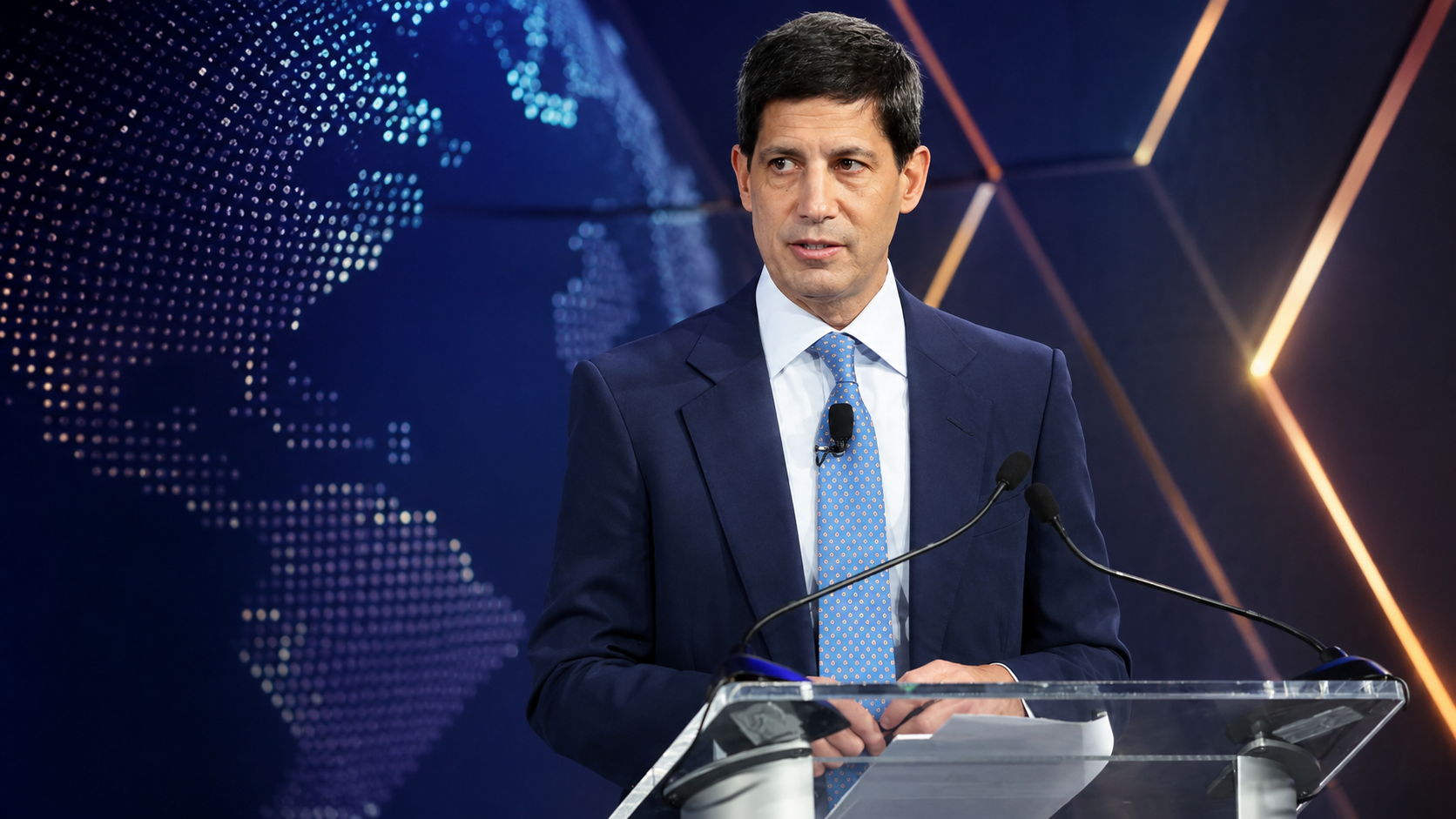
The upcoming Federal Open Market Committee meeting on June 17 will mark the first major monetary policy decision under newly appointed Federal Reserve Chair Kevin Warsh. While financial markets overwhelmingly expect the central bank to leave interest rates unchanged, investors will be closely watching for changes in the Fed’s policy language and outlook.
Warsh officially assumed leadership of the Federal Reserve in late May following the departure of former Chair Jerome Powell. His first meeting comes at a challenging time as inflation continues to accelerate and geopolitical tensions have added further pressure to energy prices and consumer costs.
Inflation Returns to Center Stage
Inflation has reemerged as one of the most significant concerns for policymakers. According to the latest data from the Bureau of Labor Statistics, consumer inflation rose to 4.2% in May compared to a year earlier, reaching its highest level in three years.
Rising energy costs linked to disruptions in the Middle East have been a major contributor to inflationary pressures. Higher oil prices have filtered through supply chains, increasing transportation and production costs across multiple sectors of the economy.
The renewed inflation surge has forced markets to reassess expectations that interest rates would begin moving lower in 2026.
Potential Shift to a Neutral Bias
Although the federal funds rate is expected to remain unchanged at this meeting, analysts believe the Federal Reserve could make a subtle but important policy adjustment by removing its easing bias and replacing it with a neutral stance.
An easing bias generally signals that policymakers are more inclined to lower interest rates if economic conditions weaken. A neutral bias, however, suggests that future policy decisions will depend entirely on incoming economic data without any predisposition toward rate cuts.
Such a move would provide the Federal Reserve with greater flexibility as it evaluates inflation risks and economic growth trends.
Warsh’s Hawkish Reputation
Market participants are paying close attention to Warsh’s policy preferences because of his history as a former Federal Reserve governor. During his previous tenure, Warsh often advocated caution regarding aggressive monetary easing and expressed concerns about inflation risks.
His past voting record suggests a preference for maintaining price stability even if that requires higher interest rates. This reputation has led many investors to expect a more hawkish Federal Reserve under his leadership compared to recent years.
A neutral policy stance would align with Warsh’s long-standing view that the central bank should avoid committing too early to future interest-rate actions.
Implications for Financial Markets
Any shift away from an easing bias could have significant implications for investors. Equity markets have benefited from expectations that monetary policy would eventually become more accommodative. If investors begin pricing in a greater probability of future rate hikes, market valuations could come under pressure.
Higher interest rates generally increase borrowing costs for businesses and consumers while reducing the present value of future earnings. Growth-oriented sectors, particularly technology companies involved in artificial intelligence infrastructure spending, could be especially sensitive to such changes.
The stock market entered 2026 at historically elevated valuation levels, leaving little room for policy surprises or economic disappointments.
AI Investment Boom Faces New Questions
One area receiving particular attention is the ongoing artificial intelligence investment boom. Many companies are financing massive data center projects and infrastructure expansions that rely heavily on access to capital.
Should borrowing costs remain elevated for longer than expected, investors may begin questioning the pace and profitability of these investments. A more restrictive monetary environment could challenge some of the assumptions that have supported the market’s strong performance over the past year.
Outlook
While no immediate interest-rate increase is expected this week, the June Federal Reserve meeting could mark the beginning of a significant shift in policy direction. A move toward a neutral bias would signal that the central bank is becoming increasingly focused on containing inflation risks rather than supporting economic growth through lower rates.
Investors will closely examine Chair Kevin Warsh’s comments and the Fed’s updated policy statement for clues about the path of interest rates in the months ahead. As inflation remains above target and economic uncertainty persists, the balance between controlling prices and sustaining growth is likely to remain the central challenge facing the Federal Reserve.
Comparison, examination, and analysis between investment houses
Leave your details, and an expert from our team will get back to you as soon as possible
* This article, in whole or in part, does not contain any promise of investment returns, nor does it constitute professional advice to make investments in any particular field.
To read more about the full disclaimer, click here
- sagi habasov
- •
- 9 Min Read
- •
- ago 7 hours
SKN | Ibex 35 Breaks Through 19,000 Points as Iran Deal Sparks Global Market Rally
Spain’s benchmark stock index, the Ibex 35, surged to a new all-time high on Monday as investors welcomed a framework
- ago 7 hours
- •
- 9 Min Read
Spain’s benchmark stock index, the Ibex 35, surged to a new all-time high on Monday as investors welcomed a framework

- Lior mor
- •
- 9 Min Read
- •
- ago 3 days
SKN | Key RMD Rule Changes Retirees Need to Know in 2026
Required Minimum Distributions are mandatory withdrawals that retirees must take from certain tax-advantaged retirement accounts, including traditional IRAs, SEP IRAs,
- ago 3 days
- •
- 9 Min Read

Required Minimum Distributions are mandatory withdrawals that retirees must take from certain tax-advantaged retirement accounts, including traditional IRAs, SEP IRAs,
- sagi habasov
- •
- 7 Min Read
- •
- ago 4 days
SKN | Intel Jumps 9% After Bank of America Upgrade Signals Expanding AI CPU Opportunity
Intel Leads Semiconductor Rebound Intel shares climbed 9% on Thursday, helping drive a powerful rebound across the semiconductor sector and
- ago 4 days
- •
- 7 Min Read
Intel Leads Semiconductor Rebound Intel shares climbed 9% on Thursday, helping drive a powerful rebound across the semiconductor sector and

- omer bar
- •
- 9 Min Read
- •
- ago 5 days
SKN | Japan Wholesale Inflation Hits Three-Year High, Strengthening Case for BOJ Rate Hike
Japan’s wholesale inflation accelerated sharply in May, reinforcing expectations that the Bank of Japan (BOJ) will continue tightening monetary policy
- ago 5 days
- •
- 9 Min Read
Japan’s wholesale inflation accelerated sharply in May, reinforcing expectations that the Bank of Japan (BOJ) will continue tightening monetary policy


