





- sagi habasov
- •
- 7 Min Read
- •
- 2 days ago
Key Points
- Federal Reserve Chair Kevin Warsh is widely expected to withhold his interest rate projection from the Fed’s closely watched “dot plot” during this week’s policy meeting.
- Warsh has previously criticized forward guidance tools such as the dot plot, arguing they can restrict the Fed’s flexibility and lead policymakers to cling to outdated forecasts.
- Investors will closely monitor the Fed’s economic projections and Warsh’s communication strategy for clues about future interest rate policy.
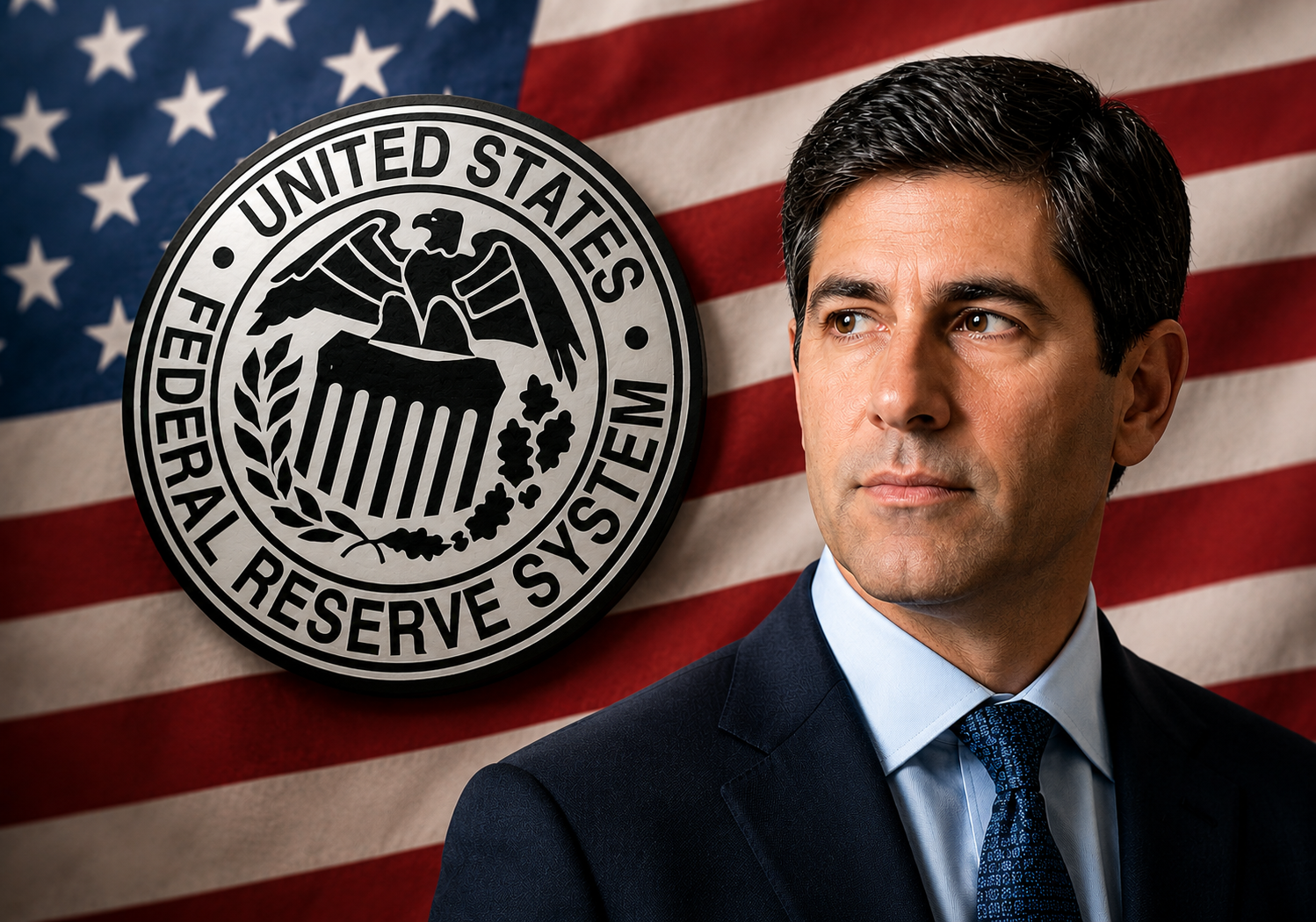
Focus Shifts to the Fed’s Dot Plot
As the Federal Reserve concludes its latest policy meeting, market participants are paying close attention to whether new Chair Kevin Warsh will participate in the central bank’s quarterly “dot plot.”
The dot plot forms part of the Federal Open Market Committee’s Summary of Economic Projections and illustrates where individual policymakers expect interest rates to move over the coming years. Investors often use the projections to gauge the direction of monetary policy and assess the economic outlook.
However, many Wall Street economists believe Warsh may choose not to submit his own rate forecast, marking a notable departure from established Federal Reserve practice.
Warsh Has Criticized Forward Guidance
Warsh has long expressed concerns about the Federal Reserve’s reliance on forward guidance tools, including the dot plot and broader economic projections.
During his confirmation process, he argued that detailed forecasts can unintentionally constrain policymakers by encouraging them to stick with previous assumptions even when economic conditions change.
Warsh has cited the Federal Reserve’s inflation forecasting errors during 2021 and 2022 as evidence that excessive communication can sometimes create additional policy challenges.
According to his view, policymakers should retain maximum flexibility and avoid becoming tied to forecasts that may quickly become outdated.
Economists Expect a Different Approach
Several leading economists believe Warsh may use this meeting to signal a new approach to Federal Reserve communications.
Some analysts suggest he could decline to provide a dot simply because he has been in office only a short time since assuming the role in late May. Others believe his decision would reflect a broader effort to reduce the importance of forward guidance in the policymaking process.
If Warsh refrains from participating, it could represent the first step toward significant changes in how the central bank communicates its future policy intentions.
Markets Depend on the Projections
While some economists question the accuracy of the dot plot, financial markets continue to place significant weight on the projections.
The Summary of Economic Projections also includes forecasts for inflation, unemployment, and economic growth, making it one of the most influential documents released by the Federal Reserve each quarter.
Any reduction in emphasis on these projections could create uncertainty for investors who rely on them to assess future interest rate expectations.
Concerns About Transparency
Not everyone supports the idea of reducing the role of the dot plot.
Some economists warn that removing or minimizing the projections could create confusion and potentially damage the Federal Reserve’s credibility. Investors may interpret the absence of forecasts as an attempt to conceal disagreements within the committee or avoid signaling a more hawkish policy stance.
Such concerns could become particularly relevant at a time when inflation remains elevated and policymakers continue debating the future path of interest rates.
Outlook
This week’s Federal Reserve meeting represents an important early test of Kevin Warsh’s leadership style and communication strategy. While markets largely expect interest rates to remain unchanged, investors will focus on whether the new chair begins reshaping how the central bank communicates with the public.
Any changes to the dot plot, economic projections, or post-meeting communications could have significant implications for market expectations and future monetary policy decisions.
Comparison, examination, and analysis between investment houses
Leave your details, and an expert from our team will get back to you as soon as possible
* This article, in whole or in part, does not contain any promise of investment returns, nor does it constitute professional advice to make investments in any particular field.
To read more about the full disclaimer, click here
- sagi habasov
- •
- 7 Min Read
- •
- ago 9 hours
SKN | Can Uzbekistan’s Investor-Led Reform Agenda Transform It Into Central Asia’s Next Financial Hub?
Uzbekistan is accelerating its efforts to position itself as one of Central Asia's most attractive investment destinations by transforming investor
- ago 9 hours
- •
- 7 Min Read

Uzbekistan is accelerating its efforts to position itself as one of Central Asia's most attractive investment destinations by transforming investor

- Ronny Mor
- •
- 7 Min Read
- •
- ago 18 hours
SKN | Could Another Large Social Security COLA Be on the Horizon for 2027?
Social Security beneficiaries may be on track for another sizable cost-of-living adjustment (COLA) in 2027 if inflation remains elevated relative
- ago 18 hours
- •
- 7 Min Read

Social Security beneficiaries may be on track for another sizable cost-of-living adjustment (COLA) in 2027 if inflation remains elevated relative

- Lior mor
- •
- 8 Min Read
- •
- ago 2 days
SKN | Warsh Forms Task Force to Review Fed’s $6.7 Trillion Balance Sheet
Fed Launches Comprehensive Balance Sheet Review Federal Reserve Chairman Kevin Warsh announced Wednesday that he is creating a dedicated task
- ago 2 days
- •
- 8 Min Read
Fed Launches Comprehensive Balance Sheet Review Federal Reserve Chairman Kevin Warsh announced Wednesday that he is creating a dedicated task

- omer bar
- •
- 10 Min Read
- •
- ago 4 days
SKN | ECB Breaks Silence: First Rate Hike Since 2023 Following Middle East Energy Shock
The European Central Bank (ECB) has signaled in the most definitive terms that it is no longer willing to sit
- ago 4 days
- •
- 10 Min Read

The European Central Bank (ECB) has signaled in the most definitive terms that it is no longer willing to sit


