




- sagi habasov
- •
- 6 Min Read
- •
- 45 minutes ago


Key Points
- The U.S. Federal Communications Commission plans to vote on October 29 on rules that would bar Chinese testing laboratories from certifying electronics for the U.S. market.
- The proposed measure would also target testing facilities and certification bodies in countries that deny reciprocal treatment to U.S.-based laboratories.
- FCC Chair Brendan Carr said 82% of electronics were tested in China in 2025, highlighting the potential impact on global technology supply chains.
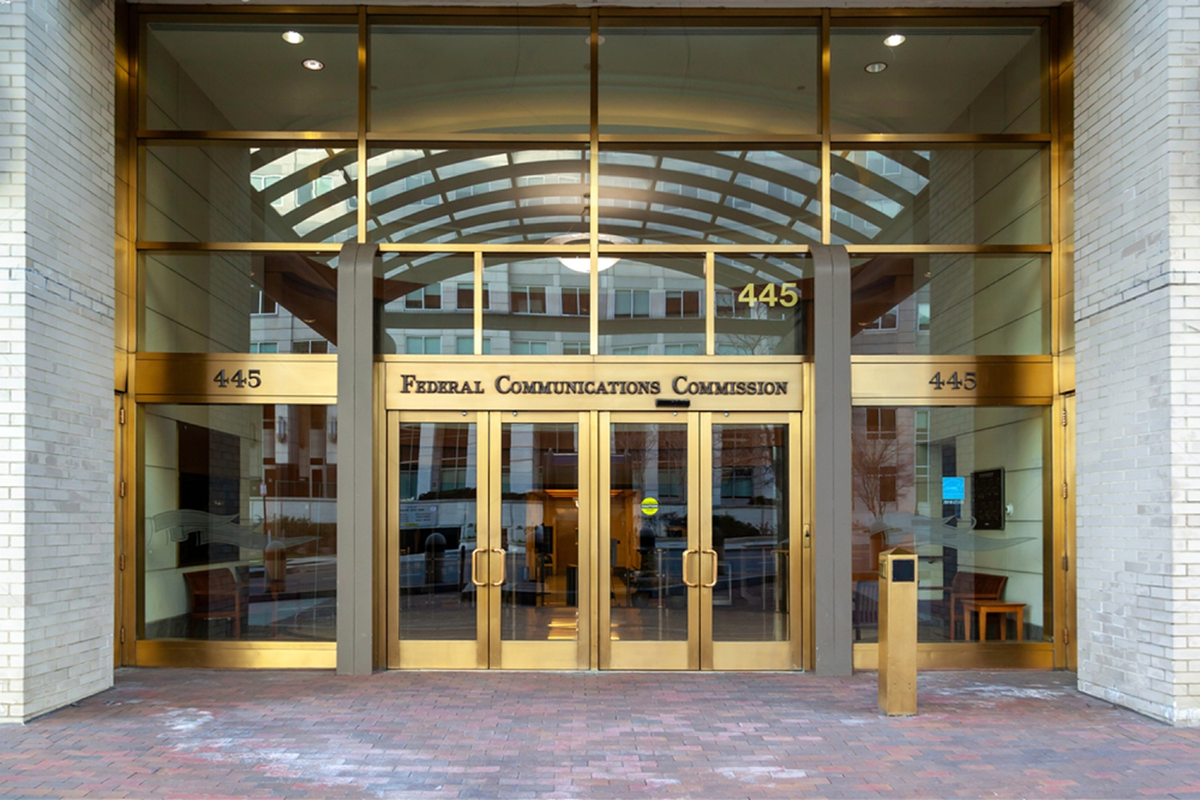
The U.S. Federal Communications Commission is preparing to expand restrictions on Chinese testing laboratories used to certify electronic devices for the American market, adding another layer to the technology and trade relationship between Washington and Beijing. The proposed rules could affect the certification process for smartphones, cameras, computers and other connected devices, while raising broader questions about how global electronics supply chains will adapt to tighter regulatory requirements.
FCC Targets Chinese Testing Infrastructure
The FCC said it will vote on October 29 on a proposal to bar Chinese laboratories from testing electronic devices intended for use in the United States. The measure would broaden an earlier action targeting Beijing and would apply to test laboratories and certification bodies in countries that do not provide reciprocal treatment to U.S.-based testing facilities.
The policy would therefore extend beyond a single group of Chinese companies. By linking eligibility to reciprocal treatment, the FCC is establishing a broader regulatory principle under which access to the U.S. electronics certification system could depend on whether American testing organizations receive comparable access in foreign markets.
China’s Dominant Role Creates Supply-Chain Questions
The potential impact is significant because of China’s role in the global electronics industry. FCC Chair Brendan Carr said that 82% of electronics were tested in China in 2025, despite China lacking an agreement with the United States covering reciprocal access for testing laboratories.
Restricting access to Chinese testing facilities could therefore require manufacturers to redirect certification work to laboratories in other jurisdictions. For companies operating complex international supply chains, that could create additional administrative requirements and potentially increase the time and cost associated with bringing new products to the U.S. market.
Technology Regulation Becomes Part of U.S.-China Competition
The proposal also reflects the increasingly broad scope of U.S.-China technology tensions. Regulation is no longer focused solely on advanced semiconductors or sensitive communications equipment; testing and certification infrastructure is also becoming part of the strategic relationship between the two economies.
For electronics manufacturers, the development could make regulatory access an increasingly important consideration when determining where products are tested and certified. Companies may need to assess whether existing testing arrangements remain viable under changing U.S. requirements, particularly for products that depend heavily on Chinese manufacturing and technical infrastructure.
What Manufacturers and Investors Will Watch Next
The October 29 FCC vote will be the immediate milestone for the proposed restrictions. Investors and electronics companies will be watching the final scope of the rules, the treatment of existing certifications and whether manufacturers are given transition periods to move testing activities to eligible laboratories.
The broader issue is whether the measure will accelerate the diversification of electronics testing and certification networks outside China. If implemented, the policy could add another incentive for technology companies to build more geographically diversified supply chains, while increasing the importance of regulatory alignment in determining how efficiently electronics can reach the U.S. market.
Comparison, examination, and analysis between investment houses
Leave your details, and an expert from our team will get back to you as soon as possible
* This article, in whole or in part, does not contain any promise of investment returns, nor does it constitute professional advice to make investments in any particular field.
To read more about the full disclaimer, click here
- orshu
- •
- 6 Min Read
- •
- ago 44 minutes
SKN | Oil Prices Settle Lower as IEA Accelerates Emergency Stock Release
Oil prices settled lower on Wednesday after a volatile session as the International Energy Agency agreed to accelerate the
- ago 44 minutes
- •
- 6 Min Read

Oil prices settled lower on Wednesday after a volatile session as the International Energy Agency agreed to accelerate the

- Lior mor
- •
- 6 Min Read
- •
- ago 44 minutes
SKN | Wells Fargo Faces Potential U.S. Probe Over Black Homeownership Commitments
Wells Fargo is facing the prospect of a regulatory investigation into programs and commitments designed to increase homeownership among
- ago 44 minutes
- •
- 6 Min Read

Wells Fargo is facing the prospect of a regulatory investigation into programs and commitments designed to increase homeownership among

- omer bar
- •
- 6 Min Read
- •
- ago 45 minutes
SKN | Anthropic Expands Claude 5.5 Lineup With Lower-Cost Haiku Model Ahead of Planned IPO
Anthropic has launched Claude Haiku 5.5, expanding its artificial intelligence lineup as the company prepares for a potential initial
- ago 45 minutes
- •
- 6 Min Read

Anthropic has launched Claude Haiku 5.5, expanding its artificial intelligence lineup as the company prepares for a potential initial

- Ronny Mor
- •
- 6 Min Read
- •
- ago 45 minutes
SKN | OpenAI Says Teens Spend Less Than 15 Minutes a Day on ChatGPT as Safety Concerns Grow
Teenagers spend less than 15 minutes a day on average using ChatGPT, according to new data released by OpenAI
- ago 45 minutes
- •
- 6 Min Read

Teenagers spend less than 15 minutes a day on average using ChatGPT, according to new data released by OpenAI
