





- sagi habasov
- •
- 6 Min Read
- •
- 20 seconds ago


Key Points
- The FAA approved an exemption allowing Boeing to sell another 35 777F freighters after new emissions rules take effect in 2028.
- The waiver provides Boeing with up to three additional years to produce the current-generation freighter while the 777-8F remains delayed.
- The decision helps Boeing maintain freighter production and address cargo demand, while highlighting the tension between aviation growth and tighter emissions standards.
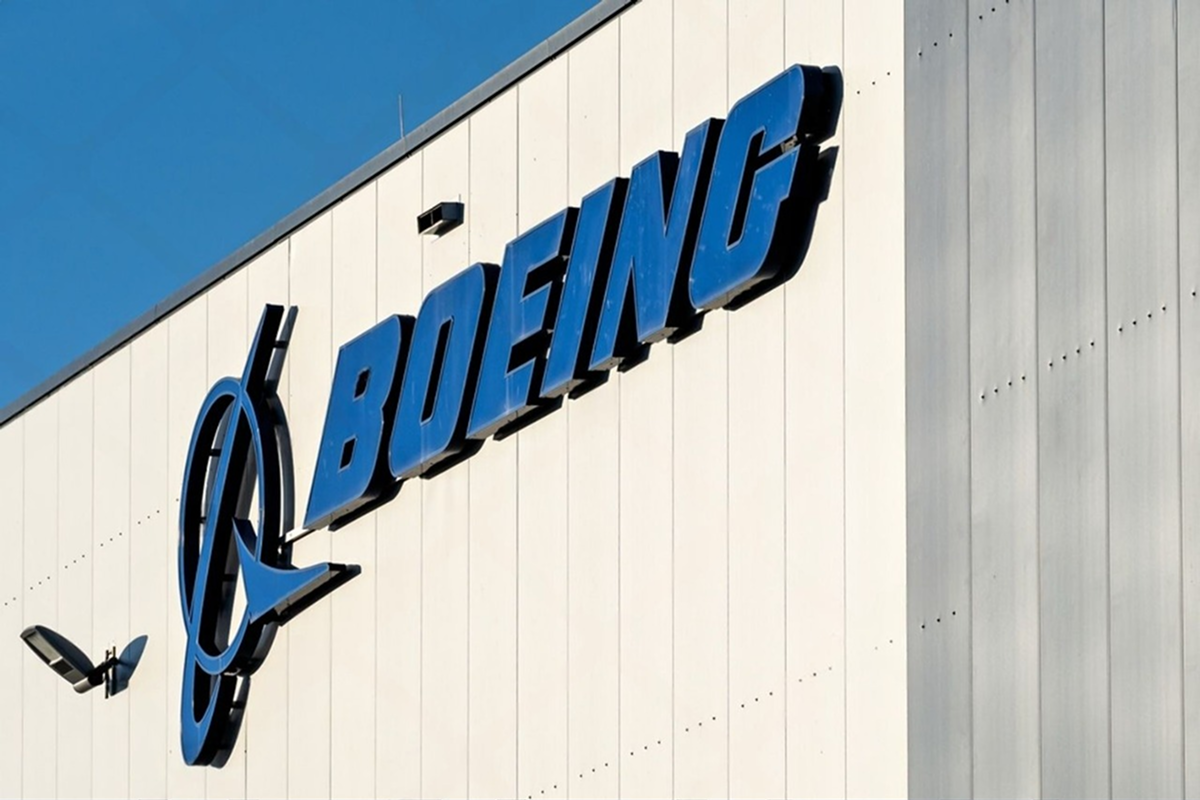
The Federal Aviation Administration has approved an exemption allowing Boeing to continue selling up to 35 additional 777F freighters after new aircraft emissions requirements take effect on January 1, 2028. The decision gives Boeing additional time to bridge the gap between the current freighter and its next-generation 777-8F, as global demand for air cargo capacity remains strong.
FAA Waiver Extends the Life of Boeing’s 777F
The exemption allows the 777F to receive initial airworthiness certification for another three years after the 2028 emissions deadline, giving Boeing additional production flexibility through approximately 2030. Without the exemption, the aircraft would have been unable to receive new certification after the rules took effect because it does not meet the required fuel-efficiency and greenhouse-gas emissions limits.
Boeing requested the waiver in December 2025, citing strong customer demand and delays in certification of the 777-8F. The company argued that the exemption was necessary to maintain production continuity rather than create a gap between the end of 777F production and availability of its replacement.
777-8F Delays Create a Strategic Production Gap
The timing is significant because the 777F remains the only large widebody freighter currently in production. Boeing’s 777-8F is designed to meet the newer emissions requirements, but its entry into service is not expected until approximately 2029. The waiver therefore provides Boeing with a limited bridge between the two aircraft programs.
The exemption also matters for the company’s commercial position in the global cargo market. Boeing has said that without the additional 777F deliveries, the production gap could have put more than $15 billion in U.S. exports at risk. Air cargo operators are continuing to invest in long-haul freighters as international trade, e-commerce and time-sensitive logistics support demand for large-capacity aircraft.
Emissions Rules Increase Pressure on Aircraft Manufacturers
The FAA’s decision highlights the increasingly complex balance between environmental regulation and the economics of aircraft manufacturing. The emissions standards adopt international aviation requirements designed to push manufacturers toward more fuel-efficient aircraft and lower greenhouse-gas emissions. The FAA has said the broader regulatory framework is part of efforts to reduce aviation’s carbon footprint and support the industry’s long-term goal of net-zero emissions by 2050.
For Boeing, however, the exemption provides additional time to keep an established aircraft platform operating commercially while its newer freighter moves through development and certification. The company will still face pressure to deliver the 777-8F on schedule, particularly as customers make long-term fleet decisions.
Going forward, the main factors to watch will be the pace of 777-8F certification, customer demand for large freighters and Boeing’s ability to use the additional 777F production window efficiently. The waiver offers short-term flexibility, but the longer-term direction of the market will increasingly depend on newer, more fuel-efficient aircraft and how quickly manufacturers can align production with stricter global emissions standards.
Comparison, examination, and analysis between investment houses
Leave your details, and an expert from our team will get back to you as soon as possible
* This article, in whole or in part, does not contain any promise of investment returns, nor does it constitute professional advice to make investments in any particular field.
To read more about the full disclaimer, click here
- Arik Arkadi Sluzki
- •
- 7 Min Read
- •
- ago 3 hours
SKN | Crusoe Reaches $30.9 Billion Valuation as AI Infrastructure Race Accelerates
Artificial intelligence infrastructure company Crusoe has secured a major funding round that highlights the accelerating capital flows into the
- ago 3 hours
- •
- 7 Min Read

Artificial intelligence infrastructure company Crusoe has secured a major funding round that highlights the accelerating capital flows into the

- Lior mor
- •
- 7 Min Read
- •
- ago 3 hours
SKN | Tech Stocks Lead Wall Street Higher as Oil Prices Ease and Treasury Yields Decline
Wall Street recovered on Thursday as easing oil prices, lower U.S. Treasury yields and stronger economic data helped investors
- ago 3 hours
- •
- 7 Min Read

Wall Street recovered on Thursday as easing oil prices, lower U.S. Treasury yields and stronger economic data helped investors

- Ronny Mor
- •
- 8 Min Read
- •
- ago 2 days
SKN | Could Argan’s 40% Dividend Increase Signal a Bigger Power Infrastructure Opportunity?
Argan is increasing shareholder distributions as surging electricity demand creates new opportunities across power-generation infrastructure. The specialty construction company, which
- ago 2 days
- •
- 8 Min Read

Argan is increasing shareholder distributions as surging electricity demand creates new opportunities across power-generation infrastructure. The specialty construction company, which
- Lior mor
- •
- 6 Min Read
- •
- ago 2 days
SKN | JPMorgan Sees Double-Digit Fee Growth as Petno Warns the Cycle Feels Too Good
JPMorgan Chase is entering the final part of the third quarter with a stronger outlook for investment banking and markets
- ago 2 days
- •
- 6 Min Read

JPMorgan Chase is entering the final part of the third quarter with a stronger outlook for investment banking and markets

