




- orshu
- •
- 7 Min Read
- •
- 2 minutes ago


Key Points
- European equities recorded another broadly negative session on November 19, with all major listed stock indices ending lower.
- The DAX P and FTSE 100 led the declines, falling 1.06% and 0.93%, respectively, while the CAC 40 and MSCI Europe also posted notable losses.
- European Private Equity recorded the steepest decline among all listed indicators, falling 1.16%, while the PHLX Euro edged higher by 0.04%.
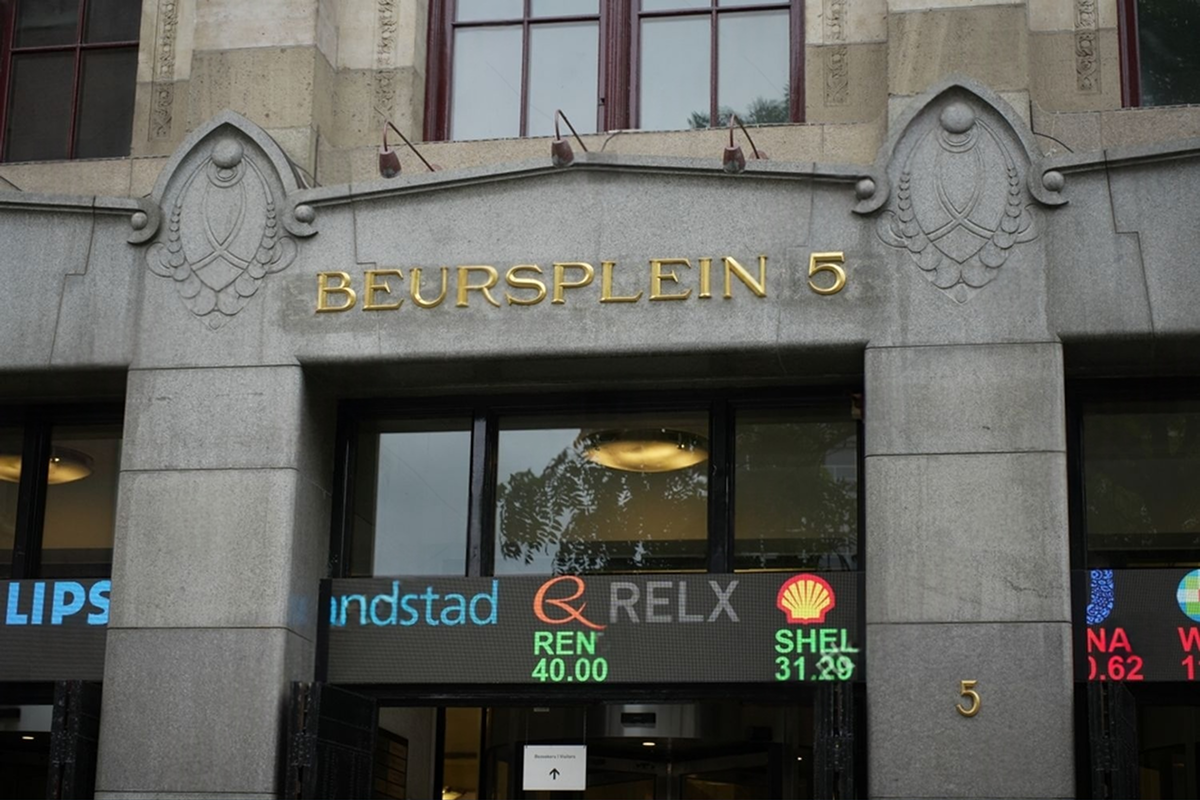
European markets closed lower on November 19, extending the region’s recent period of equity weakness. Losses affected major national benchmarks, regional indices, and the European Private Equity indicator, while currency performance remained mixed. The session’s figures point to broad pressure across European financial assets, although the available data does not establish the specific economic or corporate developments behind the declines.
Major European Equity Benchmarks Remain Under Pressure
Germany’s DAX P recorded the largest decline among the major equity indices, falling 1.06% to 25,463.81. The FTSE 100 followed with a 0.93% decrease to 10,452.68, while France’s CAC 40 fell 0.81% to 8,080.74. These movements indicate that selling pressure extended across several of Europe’s largest national equity markets.
The broader regional benchmarks also finished lower. The MSCI Europe declined 0.79% to 2,669.75, while the EURO STOXX 50 lost 0.66% to close at 6,113.86. The Euronext 100 Index recorded a more moderate decline of 0.53%, ending at 1,849.49. The consistency of these losses suggests that weakness was not isolated to one country or market segment. For investors, the broad distribution of declines makes market breadth and the relative performance of individual sectors important areas to monitor.
Currency Performance Offers a Mixed Signal
European currency indicators moved in different directions during the session. The PHLX Euro gained 0.04% to reach 109.79, making it the only listed indicator to register an advance. In contrast, the PHLX British Pound fell 0.29% to 131.11, reflecting a weaker performance in the pound benchmark.
The modest movement in the euro suggests relative stability within the reported figures, while the pound’s decline provides a contrasting signal. Currency fluctuations remain relevant for international investors because they can affect the translated value of foreign holdings, cross-border transactions, and the financial performance of companies with significant overseas exposure. However, these daily movements should not be treated as evidence of a lasting currency trend. Further sessions and developments in monetary policy expectations will be necessary to establish whether the divergence continues.
Private Equity Records the Largest Decline in the Overview
The European Private Equity benchmark fell 1.16% to 10,326.43, recording the steepest decline among all the indicators provided. Its performance was weaker than that of the major public equity indices, adding another negative element to the regional market picture.
Nevertheless, private equity benchmarks require a different analytical approach from publicly traded indices. Private market valuations may be updated less frequently and can reflect different reporting methodologies, making direct comparisons with daily public-market price movements less straightforward. Investors should consider the latest figure alongside broader private market conditions, including financing availability, transaction activity, valuation adjustments, and institutional capital flows. The decline is a relevant performance signal, but it does not independently establish a deterioration in the underlying value of private equity holdings.
Looking ahead, investors will be monitoring European inflation data, economic activity indicators, central-bank communications, and corporate earnings for signals that could influence market direction. The continued weakness across Germany, the United Kingdom, France, and broader regional benchmarks raises the importance of determining whether selling pressure is stabilizing or spreading further. Currency movements will also remain relevant for internationally diversified portfolios, while private equity valuations and financing conditions warrant close attention. The next trading sessions should provide a clearer indication of whether the latest declines represent a temporary market adjustment or a more persistent period of caution across European financial markets.
Comparison, examination, and analysis between investment houses
Leave your details, and an expert from our team will get back to you as soon as possible
* This article, in whole or in part, does not contain any promise of investment returns, nor does it constitute professional advice to make investments in any particular field.
To read more about the full disclaimer, click here
- orshu
- •
- 6 Min Read
- •
- ago 38 minutes
SKN | Tel Aviv Stock Exchange Slides as All Major Indices Decline More Than 1%
Broad Selling Pressure Weighs on Israeli Equities The Tel Aviv Stock Exchange ended Thursday, November 19, 2026, with broad losses
- ago 38 minutes
- •
- 6 Min Read

Broad Selling Pressure Weighs on Israeli Equities The Tel Aviv Stock Exchange ended Thursday, November 19, 2026, with broad losses
- orshu
- •
- 7 Min Read
- •
- ago 2 hours
SKN | Nasdaq Leads US Market Gains as Technology Stocks Drive a Broad Equity Recovery
US markets were open on November 19, with the latest figures showing a stronger performance among major US technology-oriented
- ago 2 hours
- •
- 7 Min Read

US markets were open on November 19, with the latest figures showing a stronger performance among major US technology-oriented
- orshu
- •
- 5 Min Read
- •
- ago 7 hours
SKN | Asian Markets Advance on November 19, 2026 as KOSPI Gains 1.39% and Sensex Rises 1.06%
Asian Markets Deliver a Mixed Performance Asian markets recorded a mixed session on November 19, 2026, as gains in South
- ago 7 hours
- •
- 5 Min Read

Asian Markets Deliver a Mixed Performance Asian markets recorded a mixed session on November 19, 2026, as gains in South
- orshu
- •
- 4 Min Read
- •
- ago 9 hours
SKN | European Markets Fall Across Major Indices as FTSE 100 Leads Declines
European equity markets closed lower on November 19, with all major benchmarks recording losses. The FTSE 100 led the declines,
- ago 9 hours
- •
- 4 Min Read

European equity markets closed lower on November 19, with all major benchmarks recording losses. The FTSE 100 led the declines,
