




- orshu
- •
- 8 Min Read
- •
- 1 minute ago


Key Points
- European equity markets closed lower on November 16, with the EURO STOXX 50 declining 0.60% to 6,348.35 and Germany's DAX P falling 0.57% to 26,598.64.
- The Euronext 100 Index and MSCI Europe both retreated, while the FTSE 100 recorded a comparatively modest decline of 0.09%, indicating varying degrees of weakness across regional markets.
- The euro and British pound weakened by 0.10% and 0.11%, respectively, while European Private Equity declined 0.36% to 10,545.60.
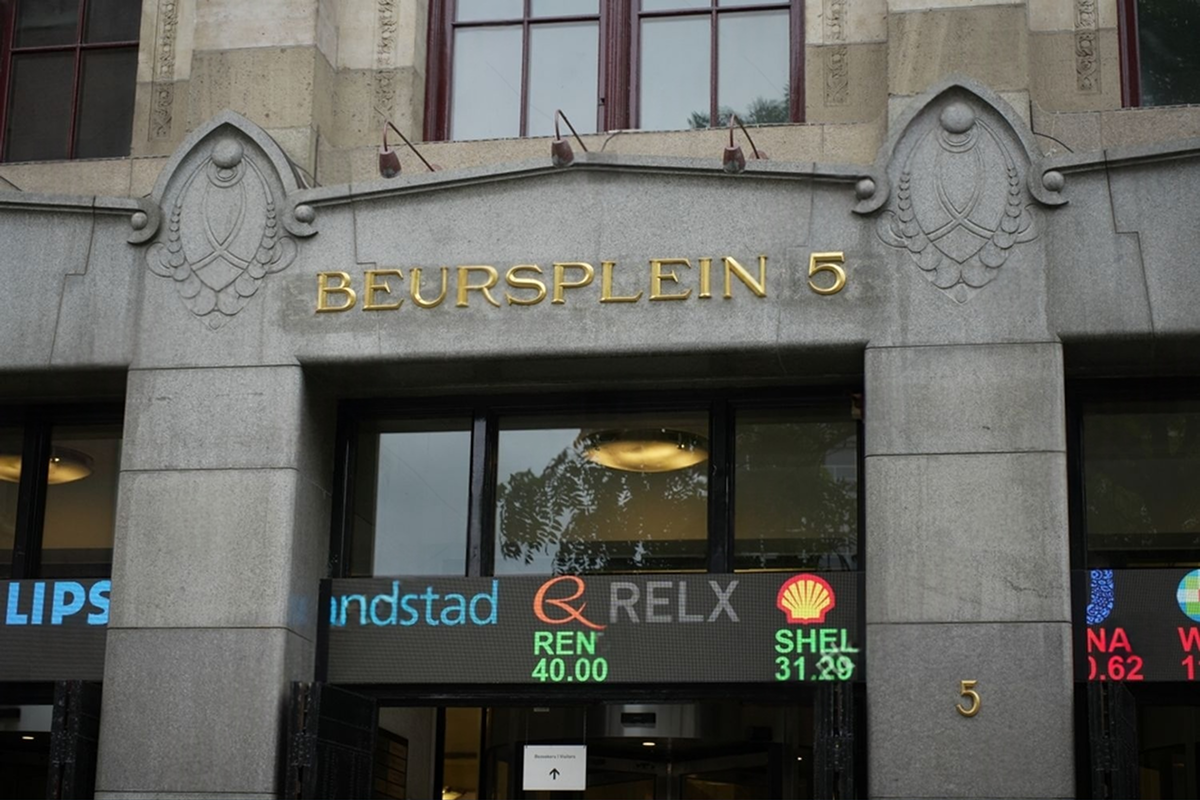
European financial markets closed November 16 in negative territory, with selling pressure extending across all reported equity benchmarks, currency indicators and private equity. Germany’s DAX P and the EURO STOXX 50 recorded some of the largest declines among the major listed indices, while the UK’s FTSE 100 demonstrated relative resilience with a smaller decrease. The synchronized weakness points to a cautious trading environment, although the available figures do not establish a specific catalyst behind the market movements.
German and Eurozone Equities Lead the Market Decline
The EURO STOXX 50 fell 0.60% to 6,348.35, recording the largest decline among the major European equity benchmarks. The index’s performance highlights downward pressure across some of the region’s largest publicly traded companies and reinforces the negative direction observed across eurozone equity markets.
Germany’s DAX P declined 0.57% to 26,598.64, matching the downward trend in the broader regional market. The Euronext 100 Index also fell 0.57% to 1,910.96, indicating that weakness extended beyond individual national exchanges.
France’s CAC 40 decreased 0.20% to 8,352.00, recording a comparatively moderate decline. Meanwhile, the UK’s FTSE 100 slipped 0.09% to 10,892.93, demonstrating greater relative resilience than its major continental European counterparts.
The differences in performance highlight the importance of examining individual national markets alongside broader regional benchmarks. Although all reported equity indices finished lower, the varying magnitude of losses suggests that selling pressure was not equally distributed across European markets.
MSCI Europe Confirms Broader Regional Weakness
The MSCI Europe declined 0.41% to 2,779.53, providing further evidence of weakness across the wider European equity landscape. Unlike individual national indices, broader regional benchmarks offer investors a more comprehensive perspective on market performance across multiple countries and corporate sectors.
The simultaneous declines in the MSCI Europe, EURO STOXX 50 and Euronext 100 indicate that the negative session extended beyond isolated market segments. For institutional investors, this pattern is particularly relevant when evaluating geographic diversification and exposure to European equities.
Broad regional weakness can affect portfolio performance even when individual national markets demonstrate relative resilience. The FTSE 100’s smaller decline, for example, contrasts with the stronger losses recorded in Germany and the eurozone, reinforcing the importance of distinguishing between national market performance and broader regional trends.
Investors will also need to assess subsequent corporate earnings, economic indicators and sector developments to determine whether the current weakness reflects temporary market positioning or more persistent concerns about European economic and financial conditions.
European Currencies and Private Equity Also Move Lower
Currency indicators recorded modest declines during the session. The PHLX Euro fell 0.10% to 110.10, while the PHLX British Pound declined 0.11% to 131.96. Both movements were relatively limited compared with the losses across several equity benchmarks.
Currency performance remains an important consideration for international investors because exchange-rate fluctuations can influence cross-border capital allocation, currency-adjusted investment returns and the valuation of overseas holdings. The simultaneous weakness in both indicators adds to the cautious tone of the European market snapshot.
European Private Equity also declined, falling 0.36% to 10,545.60. Its decrease exceeded those recorded by the euro and British pound indicators, although it remained within a relatively moderate range. Private equity performance should be evaluated separately from listed securities because differences in liquidity, valuation frequency and reporting methodologies can affect how these indicators respond to changing market conditions.
Looking ahead, investors will monitor whether European markets stabilize following the broad-based declines or experience additional selling pressure. The EURO STOXX 50, DAX P and MSCI Europe will remain important indicators of regional equity sentiment, while the relative resilience of the FTSE 100 may warrant further attention. Currency movements, corporate earnings, economic releases and monetary policy expectations will also influence the outlook. For institutional and cross-border investors, the priority will be distinguishing short-term market volatility from a more sustained deterioration in regional investment conditions while identifying differences in resilience across national markets and asset classes.
Comparison, examination, and analysis between investment houses
Leave your details, and an expert from our team will get back to you as soon as possible
* This article, in whole or in part, does not contain any promise of investment returns, nor does it constitute professional advice to make investments in any particular field.
To read more about the full disclaimer, click here
- orshu
- •
- 8 Min Read
- •
- ago 38 minutes
SKN | Tel Aviv Stocks Extend Decline as TA-35 Falls 1.55% and Tower Plunges 12.24%
Israeli Equities Face Renewed Selling Pressure The Tel Aviv Stock Exchange opened the week with another negative session on November
- ago 38 minutes
- •
- 8 Min Read

Israeli Equities Face Renewed Selling Pressure The Tel Aviv Stock Exchange opened the week with another negative session on November
- orshu
- •
- 8 Min Read
- •
- ago 3 hours
SKN | US Markets Face Broad Selling Pressure as Nasdaq Leads Declines Across Major Equity Benchmarks
US financial markets were trading lower on November 16, with declines across major equity benchmarks reflecting a broadly cautious
- ago 3 hours
- •
- 8 Min Read

US financial markets were trading lower on November 16, with declines across major equity benchmarks reflecting a broadly cautious
- orshu
- •
- 6 Min Read
- •
- ago 7 hours
SKN | Asian Markets Decline on November 16, 2026 as KOSPI Falls 3.59% and Nikkei Drops 2.42%
Asian Markets Begin the Week With Broad Declines Asian markets recorded a predominantly negative performance on November 16, 2026, as
- ago 7 hours
- •
- 6 Min Read

Asian Markets Begin the Week With Broad Declines Asian markets recorded a predominantly negative performance on November 16, 2026, as
- orshu
- •
- 8 Min Read
- •
- ago 8 hours
SKN | Tel Aviv Stock Market Today: TA-35 Declines as Broader Market Shows Mixed Performance
The Israeli stock market is displaying mixed performance, with declines among leading blue-chip shares contrasting with gains across several broader
- ago 8 hours
- •
- 8 Min Read

The Israeli stock market is displaying mixed performance, with declines among leading blue-chip shares contrasting with gains across several broader
