




- sagi habasov
- •
- 6 Min Read
- •
- 2 hours ago


Key Points
- Euro zone inflation accelerated to 3.8% in September from 3.2% in August, exceeding the 3.6% Reuters poll expectation.
- Higher fuel, natural gas and food costs drove much of the increase, with energy prices expected to keep inflation elevated in the coming months.
- Markets are increasingly pricing additional ECB rate increases, while French debt risks remain a particular concern for policymakers.
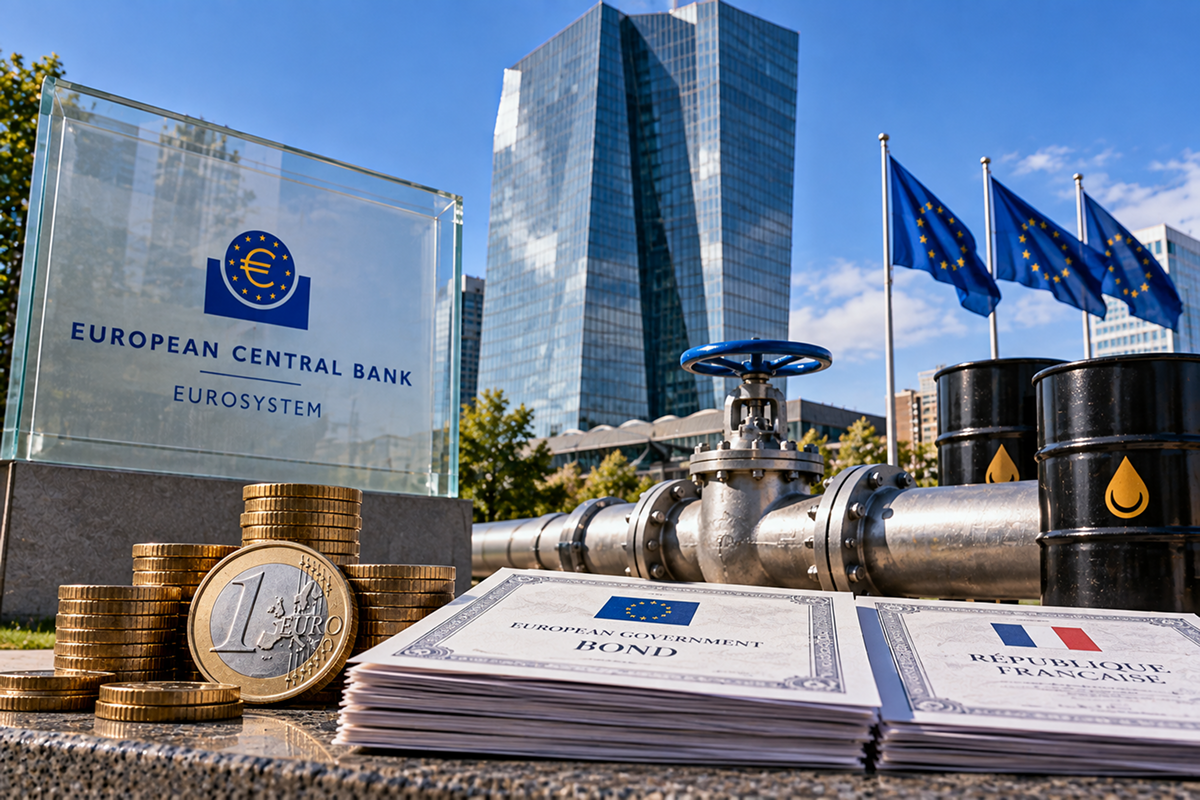
Euro zone inflation accelerated significantly in September, adding fresh pressure on the European Central Bank as rising energy costs threaten to keep consumer prices elevated. Inflation across the 21 economies using the euro climbed to 3.8% from 3.2% in August, exceeding the 3.6% forecast in a Reuters poll and complicating the ECB’s policy outlook.
Energy Costs Drive Inflation Higher
The September increase was driven primarily by fuel and natural gas prices, with food costs also contributing to the acceleration. The renewed increase in energy prices is particularly important because it can affect both household purchasing power and corporate operating costs, while also making it more difficult for policymakers to determine whether inflationary pressure is temporary or becoming more persistent.
The acceleration marks a significant change from the disinflation trend that had previously allowed the ECB to consider a less restrictive policy stance. If energy prices continue rising, headline inflation could remain elevated even if underlying price pressures in other parts of the economy moderate.
ECB Faces a More Difficult Rate Decision
The latest inflation reading increases the challenge for ECB policymakers. Higher inflation generally strengthens the case for maintaining restrictive monetary conditions, particularly when price pressures are moving further away from the central bank’s objective.
According to the Reuters report, markets see the ECB raising interest rates three more times. Such expectations reflect growing concern that the energy shock could become persistent enough to require a stronger monetary-policy response. Higher rates, however, would also increase borrowing costs for households, companies and governments across the euro area.
France Adds a Fiscal Complication
The inflation shock is unfolding alongside concerns over government finances, with French debt emerging as a particular concern for policymakers. Higher interest rates increase the cost of servicing government borrowing, potentially placing additional pressure on countries already carrying substantial debt burdens.
This creates a difficult policy balance for the ECB. The central bank must address inflation without unnecessarily intensifying financial stress in sovereign bond markets. Rising borrowing costs could also affect investment and economic activity at a time when European economies remain sensitive to energy prices and global demand.
Energy Markets Will Shape the Next Policy Debate
The outlook for European inflation will depend heavily on the trajectory of energy prices. Continued increases in oil and natural gas could keep headline inflation elevated and strengthen expectations for further ECB tightening, while a stabilization in energy markets could reduce some of the pressure.
For global investors, including those in Israel, the developments matter because European interest-rate expectations influence the euro, regional bond yields, capital flows and broader financial conditions. The ECB will therefore be closely watched alongside energy markets and incoming inflation data. The key question is whether September’s acceleration represents a temporary energy-driven shock or the beginning of a more persistent inflationary phase that requires a longer period of restrictive monetary policy.
Comparison, examination, and analysis between investment houses
Leave your details, and an expert from our team will get back to you as soon as possible
* This article, in whole or in part, does not contain any promise of investment returns, nor does it constitute professional advice to make investments in any particular field.
To read more about the full disclaimer, click here
- Lior mor
- •
- 5 Min Read
- •
- ago 16 hours
SKN | Is the Fed Reconsidering an October Rate Hike? Policymakers Signal a More Cautious Approach
The Federal Reserve is signaling that another interest rate increase in October is not guaranteed, as policymakers argue for more
- ago 16 hours
- •
- 5 Min Read
The Federal Reserve is signaling that another interest rate increase in October is not guaranteed, as policymakers argue for more

- Ronny Mor
- •
- 7 Min Read
- •
- ago 18 hours
SKN | Fed Officials Push Back Against October Rate-Hike Bets as Policymakers Seek More Data
Federal Reserve officials are pushing back against market expectations for another interest-rate increase at the central bank’s October meeting,
- ago 18 hours
- •
- 7 Min Read
Federal Reserve officials are pushing back against market expectations for another interest-rate increase at the central bank’s October meeting,
- Ronny Mor
- •
- 7 Min Read
- •
- ago 19 hours
SKN | Why Are Global Bond Markets Selling Off Again as Yields Hit Multi-Decade Highs?
Global bond markets are facing another sharp selloff as investors reassess the outlook for inflation, interest rates and government
- ago 19 hours
- •
- 7 Min Read
Global bond markets are facing another sharp selloff as investors reassess the outlook for inflation, interest rates and government

- orshu
- •
- 7 Min Read
- •
- ago 23 hours
SKN | IMF and Argentina Extend Talks as Milei’s Stabilization Program Enters a Critical Review
The International Monetary Fund will continue negotiations with Argentina over the coming weeks as both sides seek a staff-level
- ago 23 hours
- •
- 7 Min Read

The International Monetary Fund will continue negotiations with Argentina over the coming weeks as both sides seek a staff-level
