




- Arik Arkadi Sluzki
- •
- 7 Min Read
- •
- 1 minute ago


Key Points
- ECB policymakers are openly discussing further rate increases as concerns grow that elevated inflation could become embedded in wages.
- The ECB unanimously held rates steady on Thursday, despite debating whether an immediate hike was warranted.
- Markets see roughly a two-in-three probability of a December hike, reflecting a rapid shift in expectations after the latest policy signals.
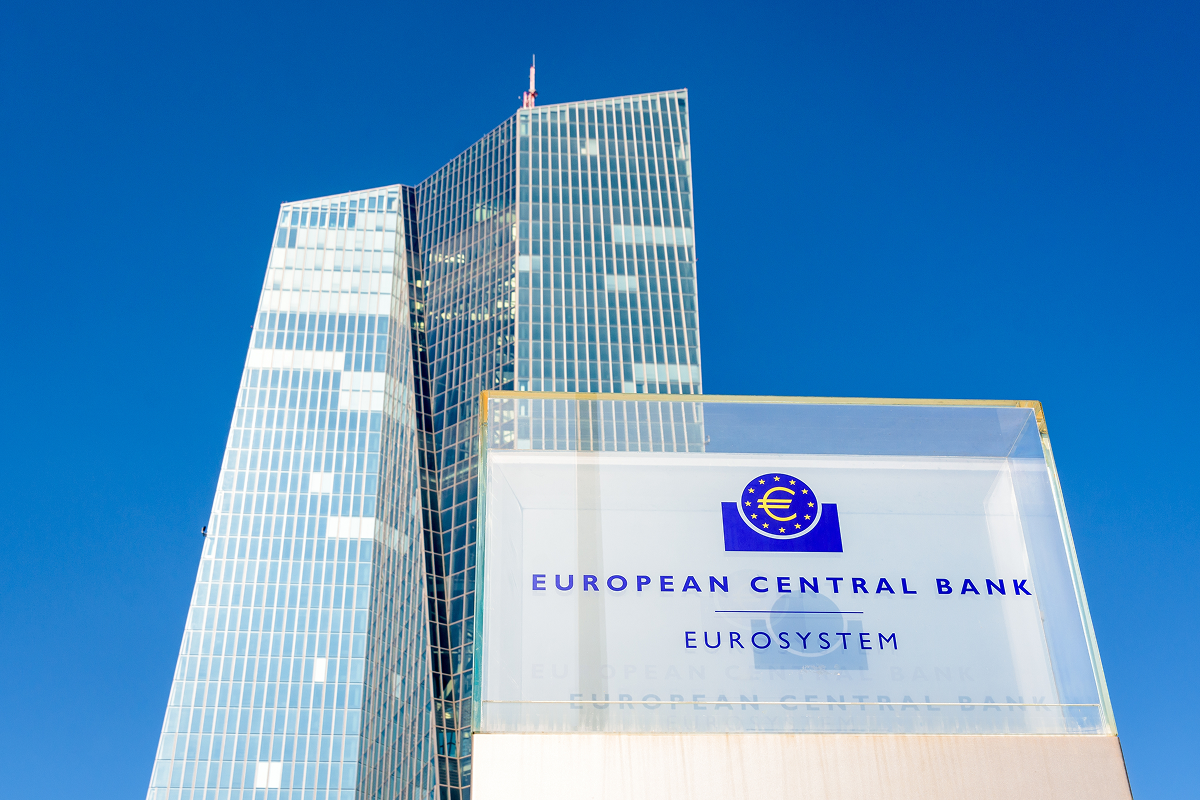
The European Central Bank has moved the possibility of another interest-rate increase back into the center of the policy debate, just one day after unanimously keeping borrowing costs unchanged. The shift highlights growing concern that an energy-driven inflation surge could become more persistent and eventually feed into wages, creating a more difficult environment for monetary policy.
ECB Debate Moves Beyond a Temporary Inflation Shock
ECB policymakers said Friday that interest rates may need to rise further to contain inflation and prevent higher prices from becoming embedded in wage growth. Their comments came after the Governing Council discussed a rate increase at Thursday’s meeting before ultimately deciding against immediate action.
The decision to hold rates was based on the assessment that the current increase in inflation, driven largely by higher energy prices, has not yet produced dangerous second-round effects. The distinction is important because the ECB is effectively weighing whether the latest inflation shock remains temporary or risks becoming more persistent through wages and broader price-setting behavior.
December Rate Hike Expectations Strengthen
Financial markets have responded quickly to the policymakers’ comments. Investors now see approximately a two-in-three chance of a December rate hike, indicating that expectations have shifted significantly even though the ECB has not committed to further tightening.
The change in market pricing reflects the challenge facing policymakers. Holding rates steady gives the central bank additional time to assess the effects of higher energy costs on the wider economy, but delaying action could become more difficult if inflation expectations or wage demands begin to rise. A future increase would therefore depend on evidence that price pressures are becoming broader rather than remaining concentrated in energy.
Energy Prices Create a Difficult Policy Trade-Off
The ECB’s dilemma is closely linked to the interaction between energy markets and inflation. Higher energy prices can raise household costs and business expenses directly, while also influencing transportation, production and other components of consumer prices. If those increases persist, workers may seek higher wages to compensate, potentially creating a feedback loop that makes inflation harder to contain.
For the ECB, the absence of significant second-round effects provides room to wait, but the latest comments indicate that policymakers are increasingly prepared to respond if that assessment changes. This makes wage developments and broader inflation trends particularly important ahead of the next policy meeting.
What Investors Will Watch Next
The ECB’s next steps will depend heavily on whether inflation remains elevated and whether evidence emerges that energy-related price pressures are spreading into wages and other parts of the economy. December has therefore become a key policy checkpoint, with markets already assigning a substantial probability to another increase.
Investors will closely monitor upcoming inflation and wage data, as well as further comments from ECB officials, for clues about the policy path. The central bank’s challenge will be to prevent persistent inflation without unnecessarily tightening financial conditions if the current energy shock ultimately proves temporary. The widening debate over another rate increase signals that the ECB is preparing for that possibility even as it continues to assess the durability of the latest inflation pressures.
Comparison, examination, and analysis between investment houses
Leave your details, and an expert from our team will get back to you as soon as possible
* This article, in whole or in part, does not contain any promise of investment returns, nor does it constitute professional advice to make investments in any particular field.
To read more about the full disclaimer, click here
- omer bar
- •
- 7 Min Read
- •
- ago 20 hours
SKN | Yen Holds Steady Ahead of BOJ as AI Jitters Fuel Treasury Rally and Weigh on the Dollar
The Japanese yen traded firmly on Friday, October 30, 2026, as global foreign-exchange markets positioned for the conclusion of the
- ago 20 hours
- •
- 7 Min Read
The Japanese yen traded firmly on Friday, October 30, 2026, as global foreign-exchange markets positioned for the conclusion of the

- Lior mor
- •
- 6 Min Read
- •
- ago 23 hours
SKN | Could UBS Relocation Protect Capital? Swiss Assessment Highlights the Costs of Moving Abroad
The Swiss government is examining the potential consequences if UBS were to relocate its headquarters abroad, highlighting the seriousness
- ago 23 hours
- •
- 6 Min Read
The Swiss government is examining the potential consequences if UBS were to relocate its headquarters abroad, highlighting the seriousness
- omer bar
- •
- 6 Min Read
- •
- ago 23 hours
SKN | Fed Signals Economic Strength as Treasury Investors Face a More Uncertain Rate Outlook
The Federal Reserve's decision to keep interest rates unchanged has left Treasury investors facing greater uncertainty over the path
- ago 23 hours
- •
- 6 Min Read
The Federal Reserve's decision to keep interest rates unchanged has left Treasury investors facing greater uncertainty over the path

- Ronny Mor
- •
- 6 Min Read
- •
- ago 23 hours
SKN | Central Banks Pause Rate Hikes as Inflation and Energy Risks Keep Further Tightening in View
Major central banks have paused their interest-rate increases this week, but the break does not necessarily mark the end
- ago 23 hours
- •
- 6 Min Read
Major central banks have paused their interest-rate increases this week, but the break does not necessarily mark the end
