




- Ronny Mor
- •
- 6 Min Read
- •
- 12 hours ago


Key Points
- The Federal Reserve and European Central Bank held interest rates steady this week after a period of monetary tightening.
- Both central banks signaled that elevated inflation remains a concern, leaving the possibility of additional rate increases ahead.
- Higher energy prices and the unresolved Middle East conflict are complicating the global inflation outlook and monetary-policy decisions.
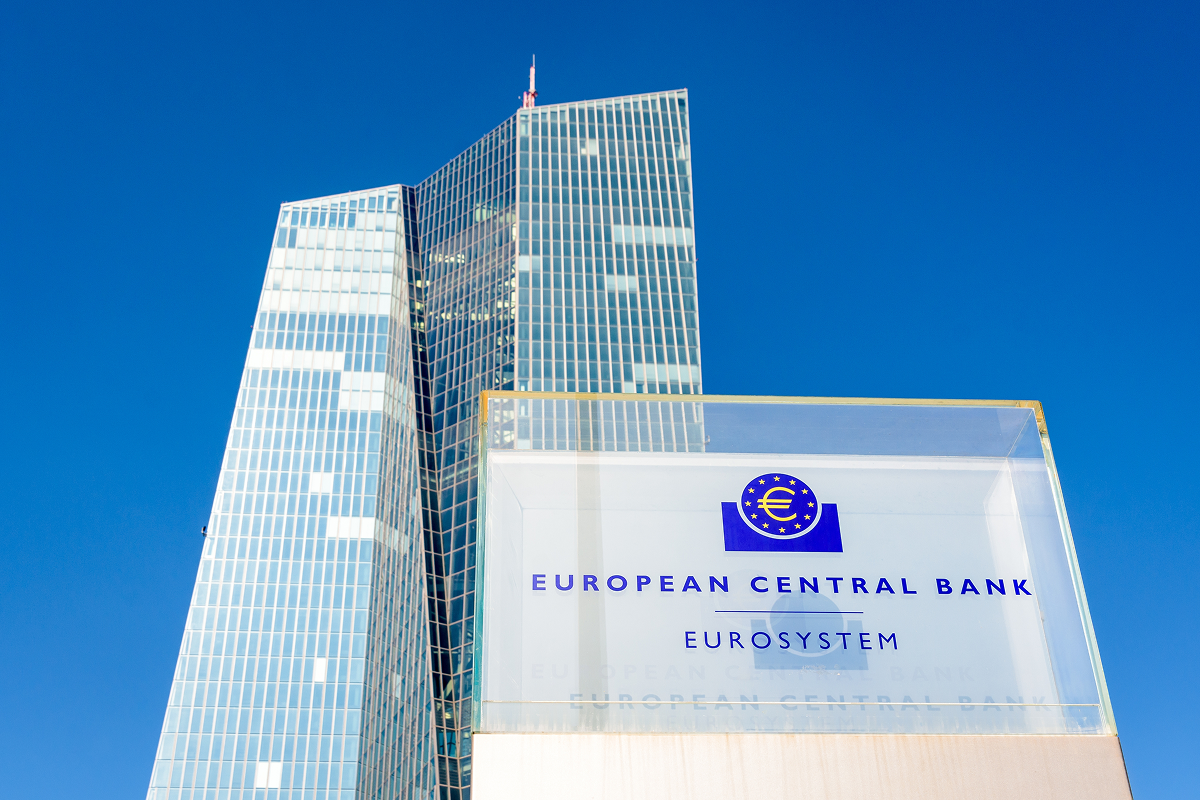
Major central banks have paused their interest-rate increases this week, but the break does not necessarily mark the end of the global tightening cycle. The Federal Reserve and European Central Bank kept rates unchanged while signaling that inflation remains above target, with higher energy prices and continuing geopolitical uncertainty adding pressure to the global policy outlook.
Fed and ECB Pause as Inflation Remains Elevated
The Federal Reserve and ECB both maintained their current interest-rate settings, providing a temporary pause after previous increases. However, neither central bank indicated that the inflation challenge has been fully resolved, leaving policymakers with limited room to declare victory over price pressures.
The Fed’s decision comes as the U.S. economy continues to show resilience while inflation remains elevated. For policymakers, the combination creates a difficult balance: maintaining restrictive conditions for long enough to contain inflation without unnecessarily weakening economic activity.
Energy Prices Complicate the Inflation Outlook
A major source of uncertainty is the behavior of energy prices, which have risen toward multi-month highs amid the continuing conflict in the Middle East. Higher energy costs can feed directly into household and business expenses while also creating broader inflationary pressure across economies.
The absence of a clear resolution to the conflict means central banks must account for a potentially volatile external factor when assessing future inflation. If energy prices remain elevated, policymakers could face renewed pressure to maintain or increase interest rates even if underlying economic growth begins to moderate.
ECB Faces Both Policy and Leadership Uncertainty
The ECB faces an additional layer of uncertainty after President Christine Lagarde announced that she would step down early. Her departure adds a leadership transition to an already challenging monetary-policy environment, as the central bank continues to assess inflation risks and the impact of higher energy costs.
For financial markets, changes in central-bank leadership can influence expectations around the future direction of monetary policy. The ECB will therefore need to balance continuity in its inflation strategy with the institutional transition that follows Lagarde’s announcement.
Further Rate Hikes Remain Possible
The current pause should therefore be viewed as a period of reassessment rather than a definitive end to monetary tightening. Inflation above target, energy-market volatility and geopolitical uncertainty continue to create conditions in which further rate increases could remain necessary.
Going forward, investors will closely monitor inflation data, energy prices and developments in the Middle East for evidence of whether additional tightening becomes necessary. The next phase of global monetary policy will depend on whether price pressures begin to ease sufficiently for central banks to remain on hold or whether renewed energy-driven inflation forces them to resume rate increases, keeping borrowing costs and bond-market volatility in focus.
Comparison, examination, and analysis between investment houses
Leave your details, and an expert from our team will get back to you as soon as possible
* This article, in whole or in part, does not contain any promise of investment returns, nor does it constitute professional advice to make investments in any particular field.
To read more about the full disclaimer, click here
- omer bar
- •
- 7 Min Read
- •
- ago 10 hours
SKN | Yen Holds Steady Ahead of BOJ as AI Jitters Fuel Treasury Rally and Weigh on the Dollar
The Japanese yen traded firmly on Friday, October 30, 2026, as global foreign-exchange markets positioned for the conclusion of the
- ago 10 hours
- •
- 7 Min Read

The Japanese yen traded firmly on Friday, October 30, 2026, as global foreign-exchange markets positioned for the conclusion of the

- Lior mor
- •
- 6 Min Read
- •
- ago 12 hours
SKN | Could UBS Relocation Protect Capital? Swiss Assessment Highlights the Costs of Moving Abroad
The Swiss government is examining the potential consequences if UBS were to relocate its headquarters abroad, highlighting the seriousness
- ago 12 hours
- •
- 6 Min Read
The Swiss government is examining the potential consequences if UBS were to relocate its headquarters abroad, highlighting the seriousness
- omer bar
- •
- 6 Min Read
- •
- ago 12 hours
SKN | Fed Signals Economic Strength as Treasury Investors Face a More Uncertain Rate Outlook
The Federal Reserve's decision to keep interest rates unchanged has left Treasury investors facing greater uncertainty over the path
- ago 12 hours
- •
- 6 Min Read
The Federal Reserve's decision to keep interest rates unchanged has left Treasury investors facing greater uncertainty over the path
- omer bar
- •
- 7 Min Read
- •
- ago 15 hours
SKN | Microsoft Plans $25 Billion Bond Sale as Big Tech Turns to Debt to Fund AI Expansion
Microsoft is preparing to return to the U.S. investment-grade bond market with a potential $25 billion offering, according to
- ago 15 hours
- •
- 7 Min Read

Microsoft is preparing to return to the U.S. investment-grade bond market with a potential $25 billion offering, according to
