


- Ronny Mor
- •
- 7 Min Read
- •
- 2 months ago
Key Points
- The U.S. dollar posted its sharpest weekly decline since May, pressured by rising policy uncertainty and shifting rate expectations.
- Currency markets reacted to mixed fiscal and monetary signals, raising questions about the dollar’s near-term role as a safe haven.
- Global investors, including in Israel, are reassessing FX exposure amid volatility across bonds, equities, and commodities.
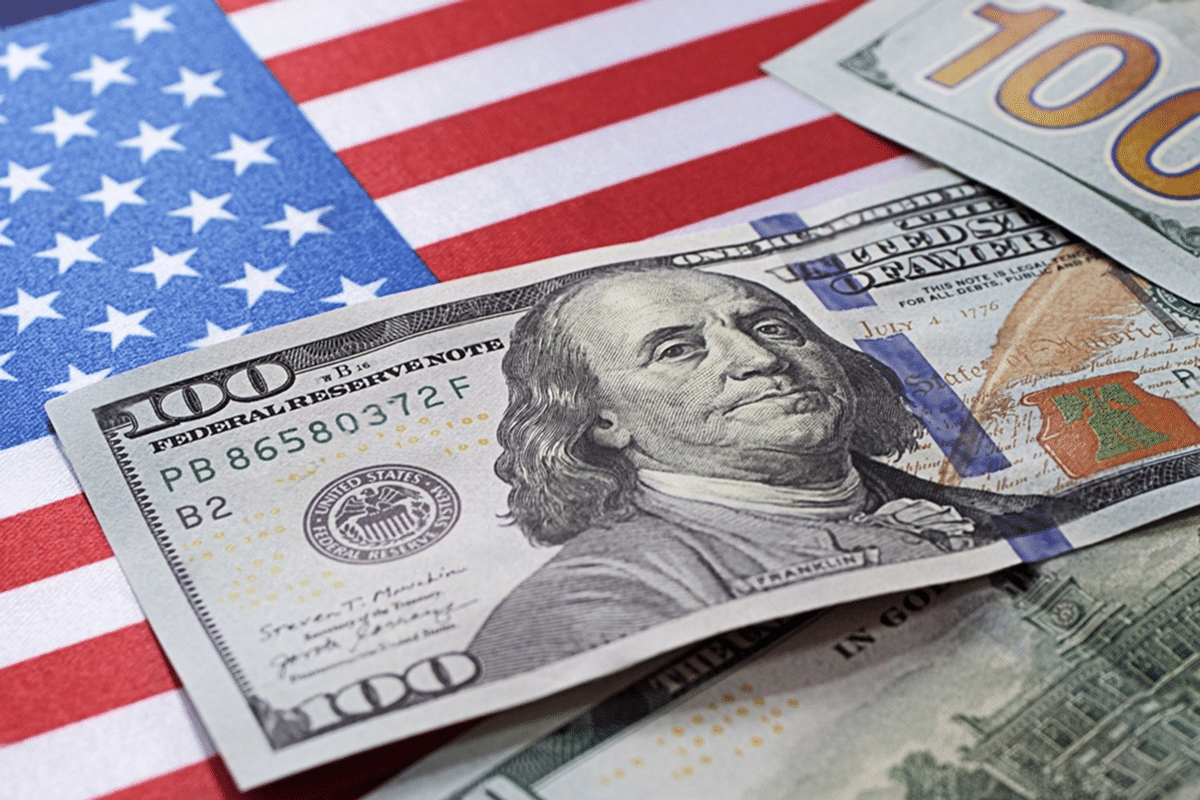
The U.S. dollar recorded its weakest weekly performance since May, reflecting growing unease over what market participants describe as a policy nightmare in Washington. The move comes as investors digest conflicting signals on fiscal discipline, monetary policy timing, and geopolitical positioning, all of which have combined to undermine confidence in the greenback’s near-term outlook.
Dollar Performance Reflects Shifting Rate and Risk Expectations
Major dollar indices fell broadly over the week, with the DXY index declining by roughly 1.5%, marking its steepest weekly drop in months. Losses were most pronounced against the euro, yen, and several commodity-linked currencies, as traders unwound defensive dollar positions accumulated earlier in the quarter. The pullback coincided with renewed expectations that the Federal Reserve may face constraints in maintaining restrictive policy if growth momentum softens.
U.S. Treasury yields moved lower across parts of the curve, reducing the dollar’s yield advantage relative to peers. For currency markets, this combination of falling yields and rising uncertainty tends to weaken demand for the dollar as a carry and safe-haven asset. The result has been a repricing of FX risk rather than a disorderly selloff, but one that signals a meaningful shift in sentiment.
Policy Uncertainty Fuels the “Nightmare” Narrative
The phrase policy nightmare has gained traction as investors confront overlapping concerns around fiscal sustainability, political gridlock, and external policy risks. Uncertainty over the trajectory of U.S. fiscal deficits, combined with debates around trade, sanctions, and global engagement, has complicated the macro picture for currency markets. While none of these issues are new individually, their convergence has amplified investor caution.
For global investors, including those in Israel with exposure to dollar-denominated assets, this environment complicates hedging decisions. The dollar has long served as a stabilizing anchor during periods of stress, but recent price action suggests that role is being reassessed rather than abandoned. Markets appear to be demanding clearer policy signals before re-establishing strong directional bets.
Cross-Asset Impact and Global Market Implications
The dollar’s weakness has had ripple effects across asset classes. Commodities priced in dollars, including oil and precious metals, found support as the currency softened, while emerging market assets saw improved sentiment due to reduced FX pressure. Equity markets responded unevenly, with exporters benefiting from currency moves while rate-sensitive sectors remained cautious.
For Israeli investors, a softer dollar carries mixed implications. On one hand, it can support global risk appetite and improve conditions for international trade. On the other, currency volatility introduces uncertainty for portfolios with significant dollar exposure, particularly in U.S. equities and bonds. As a result, FX considerations are becoming a more prominent component of portfolio strategy rather than a secondary factor.
Looking ahead, market participants will closely monitor upcoming Federal Reserve communication, fiscal negotiations in Washington, and global macro data for clarity on the dollar’s trajectory. A stabilization in policy messaging could help the currency regain footing, while continued ambiguity may extend volatility. In the near term, the dollar’s worst week since May serves as a reminder that even dominant reserve currencies are not immune to confidence shocks when policy credibility comes into question.
Comparison, examination, and analysis between investment houses
Leave your details, and an expert from our team will get back to you as soon as possible
* This article, in whole or in part, does not contain any promise of investment returns, nor does it constitute professional advice to make investments in any particular field.
To read more about the full disclaimer, click here
- omer bar
- •
- 6 Min Read
- •
- ago 2 hours
SKN | APM Terminals Expands Rail Capacity at Port of Los Angeles: Supply Chain Efficiency Enters a New Phase
APM Terminals has completed a $73 million rail expansion project at the Port of Los Angeles, marking a significant
- ago 2 hours
- •
- 6 Min Read
APM Terminals has completed a $73 million rail expansion project at the Port of Los Angeles, marking a significant

- orshu
- •
- 6 Min Read
- •
- ago 5 hours
SKN | Trump’s $2.2 Trillion Budget Plan: Defense Expansion Signals Strategic Shift in US Fiscal Policy
Former President Donald Trump’s proposed $2.2 trillion federal budget is drawing attention across global financial markets, as it combines
- ago 5 hours
- •
- 6 Min Read
Former President Donald Trump’s proposed $2.2 trillion federal budget is drawing attention across global financial markets, as it combines

- Ronny Mor
- •
- 10 Min Read
- •
- ago 11 hours
SKN | Why Is Gasoline $15 in Hong Kong While U.S. Prices Hover Near $4?
As gasoline prices in the United States climb toward $4 per gallon, global disparities in fuel costs are becoming increasingly
- ago 11 hours
- •
- 10 Min Read

As gasoline prices in the United States climb toward $4 per gallon, global disparities in fuel costs are becoming increasingly

- Lior mor
- •
- 9 Min Read
- •
- ago 14 hours
SKN | Is the U.S. Labor Market Stabilizing After February’s Shock Decline?
The U.S. labor market is expected to regain some footing in March 2026, with forecasts pointing to a gain of
- ago 14 hours
- •
- 9 Min Read

The U.S. labor market is expected to regain some footing in March 2026, with forecasts pointing to a gain of

