Key Points

  • Hong Kong’s fuel prices reflect both global oil shocks and deeply embedded structural costs
  • Geopolitical tensions are amplifying price volatility for import-dependent economies
  • Cross-border refueling trends highlight significant regional price disparities

hero

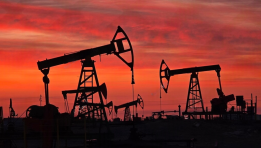
As gasoline prices in the United States climb toward $4 per gallon, global disparities in fuel costs are becoming increasingly apparent. In Hong Kong, motorists are paying as much as $15.6 per gallon, underscoring how local structural factors and global geopolitical shocks can combine to create extreme price environments. While rising oil prices have affected consumers worldwide, Hong Kong’s unique economic and policy landscape has magnified the impact, turning fuel into a premium commodity.

Global Oil Shock Hits Import-Dependent Economies

The recent surge in global oil prices is closely tied to escalating tensions in the Middle East, particularly disruptions affecting the Strait of Hormuz. As one of the world’s most critical energy corridors, any disruption in this region can quickly drive up transportation and insurance costs for oil shipments.

For Hong Kong and other Asian economies, the impact is particularly severe due to heavy reliance on imported energy. Much of this supply originates in the Gulf and must pass through vulnerable shipping routes, exposing the region to amplified price volatility. Even before the current conflict, Hong Kong consistently recorded the highest fuel prices globally, highlighting how global shocks tend to exacerbate an already elevated baseline.

Structural Costs Drive Persistent Price Premium

Beyond geopolitical factors, Hong Kong’s gasoline prices are heavily influenced by domestic structural elements. High fuel taxes, expensive land costs for fuel stations, and stringent regulatory frameworks all contribute to elevated retail prices.

These factors create a pricing environment where even modest increases in global oil benchmarks translate into disproportionately large increases at the pump. Unlike larger economies that can absorb or offset some of these costs, Hong Kong’s compact geography and policy framework leave little room for price flexibility.

As a result, fuel in Hong Kong is not just a commodity—it reflects broader economic realities tied to urban density, land scarcity, and fiscal policy.

Economic Ripple Effects Extend Beyond Drivers

Although only a small percentage of Hong Kong’s population owns private vehicles, the impact of high gasoline prices extends far beyond individual drivers. Rising fuel costs increase logistics and transportation expenses, which can feed into broader inflation across goods and services.

This creates a second-order effect on the economy, where higher operating costs for businesses are passed on to consumers. Delivery drivers and small business operators are particularly vulnerable, as rising fuel expenses directly erode profit margins without a corresponding increase in income.

In behavioral terms, such cost pressures can alter consumption patterns, reducing discretionary spending and potentially slowing economic activity.

Cross-Border Arbitrage Reflects Price Distortion

One of the clearest signs of price distortion is the growing trend of Hong Kong residents traveling to mainland China to refuel. In nearby cities such as Shenzhen, gasoline prices can be as low as one-third of those in Hong Kong.

This cross-border arbitrage highlights the extent of the price gap and its real-world implications. It also reflects a broader shift in consumer behavior, where individuals seek cost efficiencies beyond their local markets.

Over time, such patterns could have wider economic consequences, including reduced local spending and increased reliance on external markets for everyday needs.

Policy Stability vs. Price Pressure

Hong Kong authorities have emphasized that energy supply remains stable, with approximately 80% of oil products sourced from mainland China. John Lee has pledged to monitor price developments closely, signaling awareness of the economic risks posed by sustained high energy costs.

However, maintaining supply stability does not necessarily translate into price relief. As long as structural cost factors remain unchanged, consumers are likely to continue facing elevated prices regardless of global market movements.

Forward-Looking Perspective

Hong Kong’s gasoline pricing situation illustrates how global energy shocks interact with local economic structures to produce extreme outcomes. Investors and policymakers should monitor developments in Middle East tensions, shipping route stability, and global oil benchmarks, as these will continue to influence price dynamics. At the same time, structural reforms—if pursued—could play a role in mitigating long-term cost pressures. Until then, Hong Kong is likely to remain an outlier in global fuel pricing, with broader implications for inflation, consumer behavior, and economic competitiveness.


Comparison, examination, and analysis between investment houses

Leave your details, and an expert from our team will get back to you as soon as possible

    * This article, in whole or in part, does not contain any promise of investment returns, nor does it constitute professional advice to make investments in any particular field.

    To read more about the full disclaimer, click here
    SKN | Is the Bank of Japan Preparing for a More Aggressive Fight Against Inflation?
    • omer bar
    • 6 Min Read
    • ago 1 day

    SKN | Is the Bank of Japan Preparing for a More Aggressive Fight Against Inflation? SKN | Is the Bank of Japan Preparing for a More Aggressive Fight Against Inflation?

    Japan's long-standing era of ultra-loose monetary policy is facing renewed scrutiny after a prominent inflation expert suggested the Bank of

    • ago 1 day
    • 6 Min Read

    Japan's long-standing era of ultra-loose monetary policy is facing renewed scrutiny after a prominent inflation expert suggested the Bank of

    SKN | Middle East Escalation Drives Oil Prices Up: How Will the Fed Respond?
    • sagi habasov
    • 6 Min Read
    • ago 1 day

    SKN | Middle East Escalation Drives Oil Prices Up: How Will the Fed Respond? SKN | Middle East Escalation Drives Oil Prices Up: How Will the Fed Respond?

      The Middle East is experiencing a sharp military escalation, triggering significant volatility across global energy markets. A ballistic missile

    • ago 1 day
    • 6 Min Read

      The Middle East is experiencing a sharp military escalation, triggering significant volatility across global energy markets. A ballistic missile

    SKN | Oil Prices are Climbing, But Interest Rates Will Likely Pause: What Does This Mean for Your Money?
    • Ronny Mor
    • 7 Min Read
    • ago 3 days

    SKN | Oil Prices are Climbing, But Interest Rates Will Likely Pause: What Does This Mean for Your Money? SKN | Oil Prices are Climbing, But Interest Rates Will Likely Pause: What Does This Mean for Your Money?

    Why Would Oil Prices Rise, But Not Interest Rates? The U.S. central bank is in an interesting spot right now.

    • ago 3 days
    • 7 Min Read

    Why Would Oil Prices Rise, But Not Interest Rates? The U.S. central bank is in an interesting spot right now.

    SKN | Gold Advances as Investors Balance Geopolitical Risks, Oil Prices, and Fed Rate Expectations
    • orshu
    • 7 Min Read
    • ago 6 days

    SKN | Gold Advances as Investors Balance Geopolitical Risks, Oil Prices, and Fed Rate Expectations SKN | Gold Advances as Investors Balance Geopolitical Risks, Oil Prices, and Fed Rate Expectations

      Gold prices strengthened on Friday as investors sought protection against geopolitical uncertainty while evaluating the potential impact of energy

    • ago 6 days
    • 7 Min Read

      Gold prices strengthened on Friday as investors sought protection against geopolitical uncertainty while evaluating the potential impact of energy