




- sagi habasov
- •
- 7 Min Read
- •
- 7 minutes ago


Key Points
- The DAX Performance Index (^GDAXI) declined 1.92%, or 504.65 points, to close at 25,820.36 on Friday, November 6, 2026, leaving its five-session performance marginally positive at 0.01%.
- The index opened at 25,919.48 and traded between 25,617.54 and 26,061.64, compared with Thursday's close of 26,325.01.
- Despite the sharp daily decline, the benchmark remained within the upper portion of its reported 52-week range of 21,863.81–26,692.90. Index-level trading volume was not recorded, while the reported three-month average volume was 53,756,026.
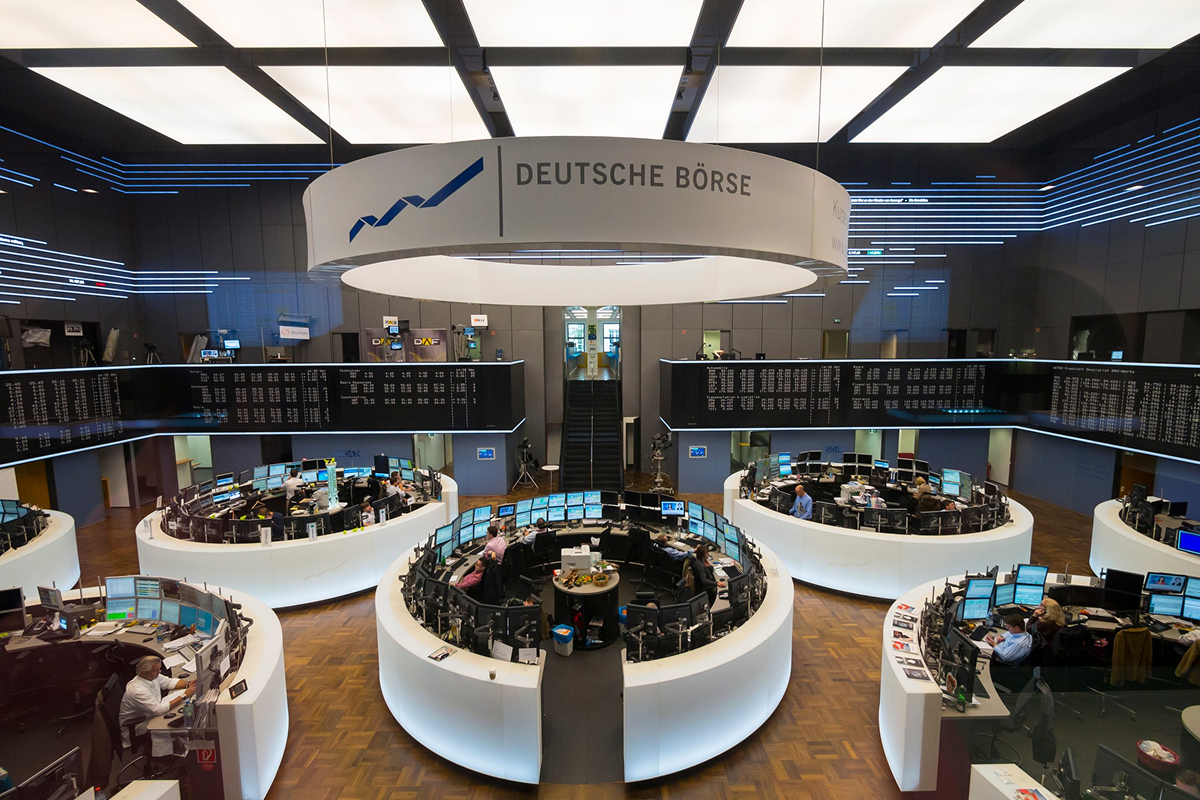
The DAX Performance Index ended Friday’s session sharply lower, falling 1.92% to 25,820.36 as selling pressure reversed much of the gains accumulated earlier in the week. The decline of 504.65 points left Germany’s leading equity benchmark with a marginal five-session advance of just 0.01%, highlighting how quickly a late-week selloff can offset earlier market strength.
The retreat unfolded against a broader European market backdrop shaped by corporate earnings, changing sovereign bond yields, and uncertainty surrounding global economic and trade conditions. For international investors, including Israeli institutional allocators with exposure to German equities, the latest session underscores the importance of evaluating index performance alongside currency movements and developments in Germany’s export-oriented economy.
Friday’s Selloff Reverses Earlier Gains
The DAX opened at 25,919.48 and moved through a wide intraday range, reaching a low of 25,617.54 and a high of 26,061.64. It ultimately closed at 25,820.36, down 504.65 points from the previous session’s 26,325.01. The closing decline represented approximately 1.92%, consistent with the reported daily performance.
The sharp reversal reduced the impact of earlier advances and brought the benchmark back toward the lower end of its recent trading range. Nevertheless, the index remained in the upper portion of its reported 52-week corridor of 21,863.81–26,692.90. The annual range provides broader market context, although it does not establish that the index has secured a lasting support level.
The volume figures require additional qualification. The DAX is a calculated performance index rather than a directly traded security, so its index-level volume is not directly comparable with aggregate trading in its constituent shares. The reported three-month average of 53,756,026 should be checked against the original data provider before being described as the index’s average daily volume.
German Industrial Exposure and Corporate Earnings
The DAX’s composition makes it particularly sensitive to developments across Germany’s industrial and export-oriented economy. Automotive manufacturers, industrial engineering companies, software groups, and chemical producers face different combinations of demand, financing, input-cost, and competitive pressures.
For automotive and industrial companies, international demand, supply-chain conditions, energy costs, and operating margins remain important considerations. Software and technology-related businesses, meanwhile, may be more sensitive to valuation changes and expectations for future earnings growth. These differences can produce significant divergence among constituents even when the overall index appears relatively stable over a weekly period.
The supplied figures do not identify the companies or sectors responsible for Friday’s decline. Accordingly, the extent to which automotive weakness, industrial selling, or valuation adjustments contributed to the session cannot be established without constituent-level performance data.
ECB Policy, Bund Yields, and Currency Exposure
The European Central Bank’s policy outlook remains a key variable for German equities. Changes in expectations for interest rates can influence corporate borrowing costs, investment decisions, and the valuation of future earnings. Movements in 10-year German Bund yields also provide an important reference for institutional investors assessing the relative attractiveness of equities and fixed-income securities.
Currency exposure adds another dimension for international portfolios. EUR/USD movements affect the value of euro-denominated assets for dollar-based investors, while EUR/ILS fluctuations influence returns measured in Israeli shekels. For Israeli institutional funds, currency hedging decisions can therefore materially affect the performance of German equity allocations.
The DAX enters the next trading week with its marginal weekly gain largely overshadowed by Friday’s sharp reversal. A recovery toward 26,400 and eventually the reported 52-week high of 26,692.90 would likely depend on supportive corporate earnings, stable financing conditions, and resilient demand for German exports. Conversely, renewed pressure on industrial margins, higher energy costs, or a broader international equity selloff could weigh on the benchmark. The direction of the index will depend on the interaction between corporate performance, ECB policy expectations, and global economic conditions.
Comparison, examination, and analysis between investment houses
Leave your details, and an expert from our team will get back to you as soon as possible
* This article, in whole or in part, does not contain any promise of investment returns, nor does it constitute professional advice to make investments in any particular field.
To read more about the full disclaimer, click here
- orshu
- •
- 7 Min Read
- •
- ago 20 minutes
SKN | Euronext 100 Falls 0.61% to 1,873.74, Ending Week Nearly Unchanged
The Euronext 100 Index ended the week marginally lower, closing Friday's session at 1,873.74 after a decline of 0.61%.
- ago 20 minutes
- •
- 7 Min Read

The Euronext 100 Index ended the week marginally lower, closing Friday's session at 1,873.74 after a decline of 0.61%.

- Ronny Mor
- •
- 7 Min Read
- •
- ago 42 minutes
SKN | FTSE 100 Falls 1.01% to 10,673.94, Extending Weekly Loss to 0.52%
The FTSE 100 ended the week lower on November 6, as a Friday decline of 1.01% brought the index
- ago 42 minutes
- •
- 7 Min Read

The FTSE 100 ended the week lower on November 6, as a Friday decline of 1.01% brought the index

- omer bar
- •
- 7 Min Read
- •
- ago 2 hours
SKN | MSCI Europe Falls 1.68% to 2,754.40, Reversing Midweek Gains as Weekly Loss Reaches 0.61%
The MSCI Europe Index ended Friday, November 6, 2026, under pressure, falling 1.68% to 2,754.40. The decline reversed gains
- ago 2 hours
- •
- 7 Min Read

The MSCI Europe Index ended Friday, November 6, 2026, under pressure, falling 1.68% to 2,754.40. The decline reversed gains

- Lior mor
- •
- 7 Min Read
- •
- ago 3 hours
SKN | VIX Falls 9.01% to 25.64, but Retains a 32.03% Weekly Surge as Market Risk Remains Elevated
The CBOE Volatility Index ended Friday's session lower, falling 9.01% to 25.64. The decline offered some relief after a
- ago 3 hours
- •
- 7 Min Read

The CBOE Volatility Index ended Friday's session lower, falling 9.01% to 25.64. The decline offered some relief after a
