





- Lior mor
- •
- 6 Min Read
- •
- 2 hours ago
Key Points
- U.S. regulators are evaluating whether current vehicle safety rules should be updated to accommodate fully autonomous vehicles without traditional steering wheels or pedals.
- Tesla's autonomous driving ambitions, including its Robotaxi strategy, have intensified attention on regulatory frameworks governing self-driving technology.
- Investors are monitoring how regulatory decisions could influence autonomous vehicle adoption, automotive competition, and the future of mobility.
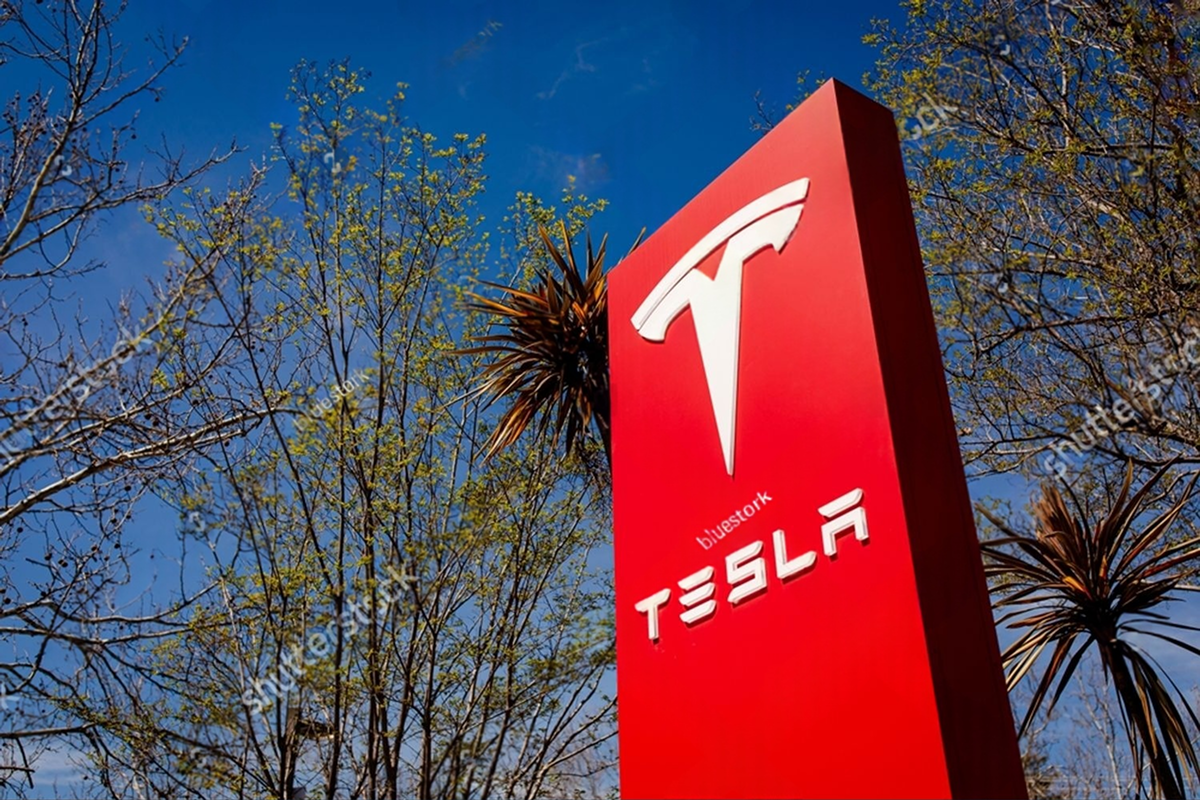
The future of autonomous transportation in the United States could depend as much on regulatory reform as technological innovation. As federal agencies review safety standards originally designed for human-operated vehicles, discussions surrounding the removal of steering wheels and pedals have gained momentum, reflecting the industry’s push toward fully autonomous mobility solutions led by companies such as Tesla.
Autonomous Vehicle Regulations Face a New Reality
Current U.S. Federal Motor Vehicle Safety Standards were largely developed around the assumption that every vehicle would include a human driver with access to a steering wheel, accelerator, and brake pedals. As autonomous driving technology advances, regulators are examining whether those requirements remain appropriate for vehicles designed to operate entirely without human intervention.
Tesla has become a central participant in this discussion through its long-term Robotaxi strategy and continued investment in Full Self-Driving (FSD) software. The company has repeatedly outlined a vision in which future autonomous vehicles could eliminate traditional driver controls altogether, provided they meet rigorous safety and regulatory requirements.
Federal policymakers are evaluating how existing regulations can evolve without compromising public safety. Any rule changes would likely require extensive testing, safety validation, and public consultation before vehicles lacking conventional controls could be approved for widespread deployment.
Tesla’s Strategy Extends Beyond Electric Vehicles
While Tesla remains one of the world’s largest electric vehicle manufacturers, investors increasingly view its valuation through the lens of artificial intelligence and autonomous mobility. The company’s long-term growth narrative extends beyond vehicle sales to include software, autonomous ride-hailing, robotics, and AI-powered transportation services.
A regulatory pathway allowing vehicles without steering wheels would represent an important milestone for Tesla’s Robotaxi ambitions. However, commercial success depends on more than regulatory approval. The company must also demonstrate that its autonomous systems can consistently operate safely across diverse traffic conditions while earning consumer confidence.
Competition remains intense as other technology and automotive companies continue developing autonomous driving platforms. Firms including Waymo, Zoox, and several traditional automakers are investing heavily in self-driving technology, creating a rapidly evolving competitive landscape.
Broader Implications for the Automotive Industry
Potential regulatory changes could reshape the automotive sector by accelerating investment in autonomous vehicle infrastructure, advanced sensors, artificial intelligence software, and mobility services. Suppliers specializing in semiconductors, computing hardware, mapping technology, and cloud infrastructure may also benefit if fully autonomous vehicles become commercially viable on a larger scale.
For global investors, including those following technology and mobility innovation from Israel, developments in U.S. autonomous vehicle policy represent an important indicator of how governments are adapting regulations to emerging technologies. Israel’s growing ecosystem of automotive software, cybersecurity, and autonomous driving companies also remains closely linked to the evolution of global self-driving markets.
Looking ahead, market participants will monitor regulatory proposals, safety evaluations, autonomous driving performance data, and commercial Robotaxi deployments. While removing steering wheels from vehicles would represent a major shift in automotive design, the pace of adoption will ultimately depend on regulators’ confidence that autonomous systems can meet or exceed the safety standards expected of human drivers.
Comparison, examination, and analysis between investment houses
Leave your details, and an expert from our team will get back to you as soon as possible
* This article, in whole or in part, does not contain any promise of investment returns, nor does it constitute professional advice to make investments in any particular field.
To read more about the full disclaimer, click here
- sagi habasov
- •
- 7 Min Read
- •
- ago 3 hours
SKN | Samsung Electronics Accelerates Yongin Chip Factory Timeline as AI Semiconductor Demand Reshapes Industry
Samsung Electronics is reportedly accelerating the construction schedule for its next-generation semiconductor fabrication complex in Yongin, South Korea, with operations
- ago 3 hours
- •
- 7 Min Read
Samsung Electronics is reportedly accelerating the construction schedule for its next-generation semiconductor fabrication complex in Yongin, South Korea, with operations

- Ronny Mor
- •
- 6 Min Read
- •
- ago 3 hours
SKN | Why Did SK Hynix Shares Fall After Their Nasdaq Debut Despite the AI Chip Boom?
SK Hynix shares came under pressure following their Nasdaq debut as investors took profits after months of strong gains fueled
- ago 3 hours
- •
- 6 Min Read

SK Hynix shares came under pressure following their Nasdaq debut as investors took profits after months of strong gains fueled

- Arik Arkadi Sluzki
- •
- 6 Min Read
- •
- ago 1 day
SKN | SK Hynix’s Historic Nasdaq Debut Signals Growing Global Demand for AI Semiconductor Leaders
SK Hynix has achieved a milestone by completing what has been described as the largest U.S. listing by a
- ago 1 day
- •
- 6 Min Read
SK Hynix has achieved a milestone by completing what has been described as the largest U.S. listing by a

- Lior mor
- •
- 7 Min Read
- •
- ago 1 day
SKN | The AI Stocks Dominating Robinhood Portfolios as Retail Investors Double Down on Artificial Intelligence
The artificial intelligence investment boom continues to shape global equity markets, with several AI-related companies ranking among the most widely
- ago 1 day
- •
- 7 Min Read

The artificial intelligence investment boom continues to shape global equity markets, with several AI-related companies ranking among the most widely


