





- Lior mor
- •
- 5 Min Read
- •
- 5 minutes ago


Key Points
- Major oil exporters have agreed to maintain production levels in November, keeping supply policy unchanged as Brent crude remains above $100 a barrel amid disruptions linked to the Iran conflict.
- The decision comes as the Group of Seven prepares a substantial release of emergency oil and fuel reserves, creating a competing force that could provide temporary relief to tight global energy markets.
- For oil investors, the balance between OPEC+ supply discipline, emergency stockpile releases and the pace of geopolitical disruptions will remain central to price direction.
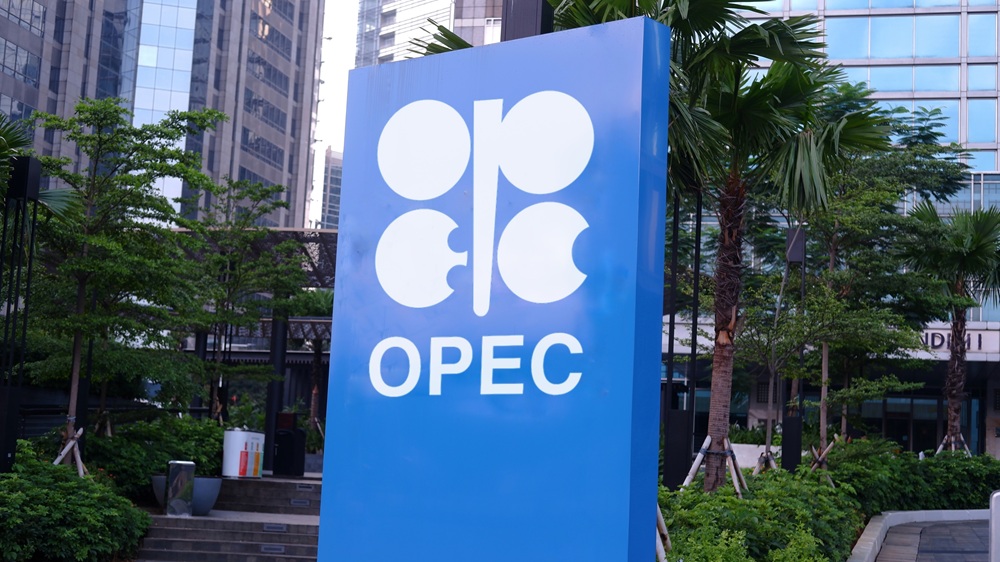
Seven major oil-exporting countries agreed Sunday to keep production steady in November, maintaining their existing output strategy as geopolitical disruptions continue to affect global energy markets. Saudi Arabia, Russia, Iraq, Kuwait, Kazakhstan, Algeria and Oman will meet again on November 1 to reassess market conditions.
The decision leaves production policy unchanged at a time when benchmark Brent crude has moved above $100 a barrel. Rather than adding additional supply to counter elevated prices, the exporters have opted to wait for greater clarity on the market’s underlying conditions.
For oil markets, the decision reinforces the importance of geopolitical supply risks. If disruptions persist, unchanged OPEC+ production could limit the amount of additional crude available to offset losses elsewhere.
Iran Conflict Keeps Supply Risks Elevated
The conflict involving Iran has disrupted global oil supplies and contributed to the recent increase in crude prices. The market impact extends beyond production itself, as uncertainty surrounding transportation and regional energy infrastructure can increase risk premiums and create additional volatility.
The persistence of these disruptions means traders must assess both actual supply losses and the possibility of further interruptions. Even if crude production remains available in other regions, concerns about logistics and fuel availability can influence prices across the broader energy complex.
G7 Reserve Release Creates a Counterweight
Against the backdrop of OPEC+ restraint, the Group of Seven has announced plans to release 100 million barrels of oil and fuel products from emergency reserves. The initial focus will be on diesel, with a substantial release planned within 20 days and the remaining volumes expected to be distributed over four months.
The intervention could provide some relief to fuel markets, particularly where diesel shortages have placed pressure on farmers, transportation companies and other fuel-intensive businesses. However, the impact on crude prices will depend on the scale and timing of the releases relative to actual supply disruptions.
Oil Market Outlook
The current market is therefore being shaped by two opposing forces. OPEC+ is maintaining production discipline while the G7 is preparing to inject emergency supplies into global markets. The effectiveness of the reserve release will depend on whether it can compensate for geopolitical disruptions and reduce pressure on refined fuel markets.
Investors will be watching the November OPEC+ meeting, the pace of G7 reserve releases and developments surrounding the Iran conflict. A prolonged disruption could keep crude prices elevated, while improving supply conditions and the arrival of emergency reserves could gradually reduce the premium embedded in oil prices.
Comparison, examination, and analysis between investment houses
Leave your details, and an expert from our team will get back to you as soon as possible
* This article, in whole or in part, does not contain any promise of investment returns, nor does it constitute professional advice to make investments in any particular field.
To read more about the full disclaimer, click here
- omer bar
- •
- 6 Min Read
- •
- ago 2 days
SKN | Could Strategic Oil Reserve Releases Push Crude Prices Lower After Recent Surge?
Oil Prices Retreat as Supply Concerns Begin to Ease Crude oil prices declined sharply on Friday as markets reacted to
- ago 2 days
- •
- 6 Min Read

Oil Prices Retreat as Supply Concerns Begin to Ease Crude oil prices declined sharply on Friday as markets reacted to
- omer bar
- •
- 6 Min Read
- •
- ago 3 days
SKN | Could China’s Fuel Export Suspension Deepen Pressure on Global Oil Markets?
Oil Rebounds as Fuel Supply Tightens Oil prices climbed sharply Thursday as China suspended exports of refined petroleum products, adding
- ago 3 days
- •
- 6 Min Read

Oil Rebounds as Fuel Supply Tightens Oil prices climbed sharply Thursday as China suspended exports of refined petroleum products, adding

- sagi habasov
- •
- 7 Min Read
- •
- ago 3 days
SKN | Could Recovering Gulf Oil Exports and U.S.-Iran Talks Keep Crude Prices Under Pressure?
Oil prices remained relatively stable Thursday as traders weighed improving physical supply conditions against renewed diplomatic efforts involving the United
- ago 3 days
- •
- 7 Min Read
Oil prices remained relatively stable Thursday as traders weighed improving physical supply conditions against renewed diplomatic efforts involving the United
- omer bar
- •
- 8 Min Read
- •
- ago 4 days
SKN | Could Stalled U.S.-Iran Talks and Tight Fuel Inventories Keep Oil Prices Elevated?
Why Are Oil Prices Rising? Oil prices moved higher Wednesday as stalled diplomatic efforts between Washington and Tehran added uncertainty
- ago 4 days
- •
- 8 Min Read

Why Are Oil Prices Rising? Oil prices moved higher Wednesday as stalled diplomatic efforts between Washington and Tehran added uncertainty

