




- sagi habasov
- •
- 7 Min Read
- •
- 12 hours ago


Key Points
- Oil prices held relatively steady Thursday as improving Gulf exports and a larger-than-expected increase in U.S. crude inventories eased concerns about supply disruptions.
- Brent gained about 14% in September, its strongest monthly increase since July, while WTI advanced approximately 5% as Middle East supply risks remained elevated.
- Renewed U.S.-Iran diplomatic efforts could reduce oil’s geopolitical risk premium, although uncertainty over a potential agreement continues to limit the market’s conviction.
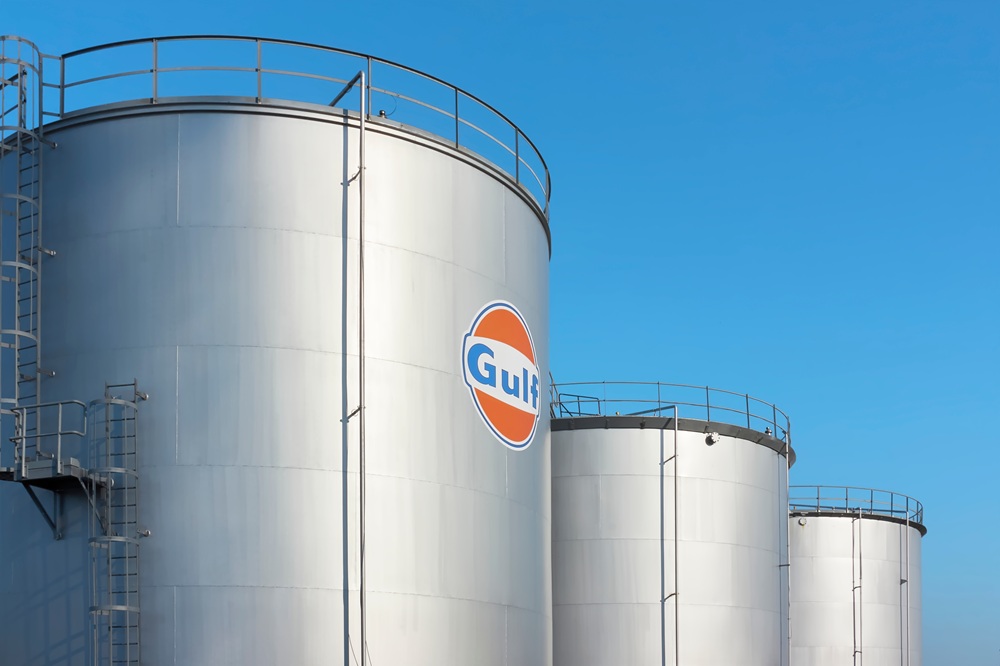
Oil prices remained relatively stable Thursday as traders weighed improving physical supply conditions against renewed diplomatic efforts involving the United States and Iran. Brent crude futures rose 0.6% to $98.67 a barrel, while West Texas Intermediate gained 0.5% to $90.09.
Trading remained volatile, with both benchmarks briefly falling more than 1% before recovering. The moves followed a strong September for crude, with Brent gaining approximately 14% during the month and WTI rising about 5%.
The market is now balancing two competing forces: recovering crude shipments that are easing immediate supply concerns and geopolitical uncertainty that continues to influence expectations for Middle East production and exports.
Are Recovering Gulf Exports Reducing Supply Concerns?
Gulf crude flows have improved significantly. Goldman Sachs estimated that Gulf oil exports, including so-called dark exports involving vessels with location transponders switched off, recovered to approximately 23.3 million barrels per day during the latest week. That level is broadly in line with the region’s 2025 average, following a doubling in exports during September.
Saudi Arabia has also resumed tanker loadings from Yanbu after restarting operations on its East-West Pipeline. The recovery in shipments provides additional evidence that physical oil flows are gradually normalizing after disruptions.
OPEC+ is also expected to keep its November production targets unchanged when the group meets Sunday, according to people familiar with the matter. Stable production targets could reinforce the market’s focus on actual export flows and geopolitical developments.
Why Did U.S. Inventories Weigh on Crude?
U.S. crude inventories provided another bearish influence. Stockpiles increased by 922,000 barrels during the week ended September 25 to 427.3 million barrels, according to the Energy Information Administration. Analysts had expected a 264,000-barrel decline.
The unexpected build suggests that domestic supply conditions may be more comfortable than previously anticipated. Combined with recovering Gulf exports and renewed Saudi shipments, the inventory increase has reduced some of the immediate pressure on global crude availability.
Could U.S.-Iran Diplomacy Change the Oil Market?
Diplomatic developments remain another major variable. Iran said Wednesday that it had received a U.S. response to its latest proposal aimed at reviving a collapsed Gulf ceasefire. Any progress toward an agreement could reduce the geopolitical premium that has supported oil prices.
However, the diplomatic outlook remains uncertain. President Donald Trump denied reports that the United States was prepared to provide Iran with sanctions relief and release frozen Iranian funds in exchange for concrete steps concerning Tehran’s nuclear program.
For oil traders, the distinction is important. A durable diplomatic breakthrough could improve expectations for supply stability, while continued uncertainty could preserve some of the risk premium embedded in crude prices.
What Could Happen to Oil Prices Next?
The near-term outlook is increasingly dependent on whether improving physical supply conditions continue faster than geopolitical risks recede. Recovering Gulf exports, resumed Saudi shipments and rising U.S. inventories could limit upward pressure on crude if those trends persist.
At the same time, U.S.-Iran negotiations remain capable of quickly changing expectations for regional supply. Traders will therefore be watching diplomatic developments alongside OPEC+ decisions, Gulf export volumes and U.S. inventory data as they assess whether September’s strong oil rally can continue.
Comparison, examination, and analysis between investment houses
Leave your details, and an expert from our team will get back to you as soon as possible
* This article, in whole or in part, does not contain any promise of investment returns, nor does it constitute professional advice to make investments in any particular field.
To read more about the full disclaimer, click here
- omer bar
- •
- 8 Min Read
- •
- ago 1 day
SKN | Could Stalled U.S.-Iran Talks and Tight Fuel Inventories Keep Oil Prices Elevated?
Why Are Oil Prices Rising? Oil prices moved higher Wednesday as stalled diplomatic efforts between Washington and Tehran added uncertainty
- ago 1 day
- •
- 8 Min Read

Why Are Oil Prices Rising? Oil prices moved higher Wednesday as stalled diplomatic efforts between Washington and Tehran added uncertainty

- Ronny Mor
- •
- 6 Min Read
- •
- ago 3 days
SKN | Could Saudi Arabia’s Pipeline Restart and Hormuz Talks Reshape Oil Prices?
Crude oil markets remain highly sensitive to developments on both the supply and diplomatic fronts. Oil rose to $94.54 a
- ago 3 days
- •
- 6 Min Read

Crude oil markets remain highly sensitive to developments on both the supply and diplomatic fronts. Oil rose to $94.54 a

- Lior mor
- •
- 7 Min Read
- •
- ago 4 days
SKN | Could the U.S.-Canada Trade War Push Protein Prices Higher?
The escalating U.S.-Canada trade dispute is moving beyond traditional industrial and agricultural goods and into an increasingly popular consumer category:
- ago 4 days
- •
- 7 Min Read

The escalating U.S.-Canada trade dispute is moving beyond traditional industrial and agricultural goods and into an increasingly popular consumer category:
- Ronny Mor
- •
- 6 Min Read
- •
- ago 6 days
SKN | Could a Phased U.S.-Iran Deal Put Further Pressure on Oil Prices?
Oil Prices Retreat as Hormuz Talks Gain Attention Crude oil prices eased Friday as markets responded to reports that U.S.
- ago 6 days
- •
- 6 Min Read

Oil Prices Retreat as Hormuz Talks Gain Attention Crude oil prices eased Friday as markets responded to reports that U.S.
