





- omer bar
- •
- 7 Min Read
- •
- 4 weeks ago


Key Points
- U.S. diesel prices have surpassed $6 per gallon for the first time, reaching a national average of $6.06 and exceeding the previous record set in 2022.
- Refinery disruptions and restrictions on fuel exports are tightening diesel supplies just as crude oil prices have climbed back above $100 a barrel.
- Higher diesel costs could spread across transportation, food, manufacturing and home heating, potentially adding more than $350 in costs per U.S. household.

Why Diesel Has Become a Broader Economic Problem
Diesel has crossed a critical price threshold in the United States, with the national average reaching $6.06 per gallon. The increase is significant not only because it represents a new record, but because diesel is deeply embedded in the infrastructure that moves goods, produces food and supports industrial activity.
Prices have risen more than 55% since the start of the war with Iran, substantially outpacing the roughly 40% increase in gasoline. The previous national record of $5.82 was established in June 2022 following Russia’s invasion of Ukraine. The latest surge therefore represents a new phase of energy-driven inflation rather than simply another increase at the pump.
Oil Prices and Refinery Constraints Are Driving the Surge
The diesel market is facing pressure from both sides of the supply chain. Crude oil prices have moved back above $100 a barrel as the conflict involving Iran continues, increasing the cost of producing refined fuels. At the same time, available refining capacity is insufficient to fully compensate for the disruption.
Refineries in the Middle East and Russia have suffered war-related damage, while Russia has restricted diesel exports to protect its domestic market. China has also limited exports as it seeks to secure its own fuel supplies. With refiners already prioritizing diesel production, additional supply cannot easily be brought into the market.
That combination creates a particularly difficult environment: crude is becoming more expensive while the ability to convert it into usable diesel remains constrained.
Why Higher Diesel Prices Could Reach Consumers
Gasoline prices tend to attract greater attention because diesel-powered passenger vehicles represent only a small share of American cars. But diesel is the dominant fuel for the heavy transportation system. Trucks, freight trains, construction equipment, agricultural machinery and many commercial vessels depend on it.
When fuel expenses rise, trucking companies and railroads typically pass some of the additional cost to customers through fuel surcharges. Retailers and manufacturers can then transfer those higher logistics expenses into the prices of goods. This creates a second-round inflationary effect that can reach consumers even if they never purchase diesel themselves.
Food and Heating Costs Face Additional Pressure
The timing of the diesel shock is particularly important. The fall harvest season is beginning, increasing demand for fuel used by tractors and other agricultural equipment. Higher diesel and fertilizer costs could therefore raise the cost of producing and transporting food.
Home heating represents another potential pressure point. Diesel and heating oil are closely related fuels, and heating oil is used by roughly 5 million U.S. households, particularly across the Northeast. A sustained increase in diesel prices could translate into substantially higher heating bills as the colder months approach.
California and Global Supply Risks Add to the Outlook
The pressure is already considerably greater in some regions. California’s average diesel price has reached approximately $7.98 per gallon, raising the possibility that prices could move beyond $8 if crude remains elevated and supply constraints persist.
With oil recently closing around $107.63 a barrel, further increases in the U.S. diesel average remain possible. The economic cost is already substantial: estimates cited in the source indicate that the diesel spike has added more than $46 billion in costs since the war in Iran began, equivalent to more than $350 per U.S. household.
The next phase will depend heavily on the duration of the conflict, refinery availability and the stability of global fuel trade. If crude remains above $100 while diesel production stays constrained, transportation and food inflation could become increasingly difficult for policymakers and consumers to absorb. For markets, the key risk is that an energy shock evolves into a broader inflation problem, complicating monetary policy just as households and businesses face higher operating costs.
Comparison, examination, and analysis between investment houses
Leave your details, and an expert from our team will get back to you as soon as possible
* This article, in whole or in part, does not contain any promise of investment returns, nor does it constitute professional advice to make investments in any particular field.
To read more about the full disclaimer, click here
- Ronny Mor
- •
- 7 Min Read
- •
- ago 2 days
SKN | Could New U.S. Sanctions on 17 Iranian-Linked Tankers Further Disrupt Global Oil Flows?
The U.S. Treasury Department has expanded economic pressure on Iran by designating 17 additional vessels that it says are connected
- ago 2 days
- •
- 7 Min Read

The U.S. Treasury Department has expanded economic pressure on Iran by designating 17 additional vessels that it says are connected

- sagi habasov
- •
- 6 Min Read
- •
- ago 4 days
SKN | Could Cheaper Diesel and Deferred Taxes Ease Pressure From Record U.S. Fuel Costs?
White House Moves to Reduce Diesel Costs The administration has introduced temporary measures aimed at reducing the financial pressure created
- ago 4 days
- •
- 6 Min Read
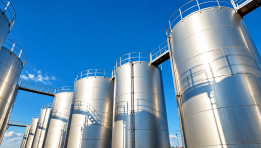
White House Moves to Reduce Diesel Costs The administration has introduced temporary measures aimed at reducing the financial pressure created

- Lior mor
- •
- 11 Min Read
- •
- ago 2 weeks
SKN | Which Energy Stocks Could Benefit If the Iran War Keeps Oil Markets Disrupted?
The Iran conflict is increasingly creating a more complicated environment for energy investors as the disruption extends beyond the assumptions
- ago 2 weeks
- •
- 11 Min Read

The Iran conflict is increasingly creating a more complicated environment for energy investors as the disruption extends beyond the assumptions
- Lior mor
- •
- 6 Min Read
- •
- ago 2 weeks
SKN | Oil Prices Rebound as Saudi Attack Revives Global Supply Concerns
Global oil markets experienced renewed volatility as geopolitical risks in the Middle East pushed prices higher, reversing part of
- ago 2 weeks
- •
- 6 Min Read

Global oil markets experienced renewed volatility as geopolitical risks in the Middle East pushed prices higher, reversing part of

