




- Ronny Mor
- •
- 7 Min Read
- •
- 10 seconds ago


Key Points
- The onshore yuan strengthened to 6.6682 per dollar on Monday, its highest level since June 2022, supported by softer oil prices and declining US Treasury yields.
- China's central bank set its daily midpoint at 6.7162 per dollar, weaker than market expectations, indicating efforts to moderate the pace of currency appreciation.
- Investors are monitoring upcoming Federal Reserve, Bank of Japan and European Central Bank meetings, alongside China's fifth plenum, for signals on monetary policy and domestic economic support.
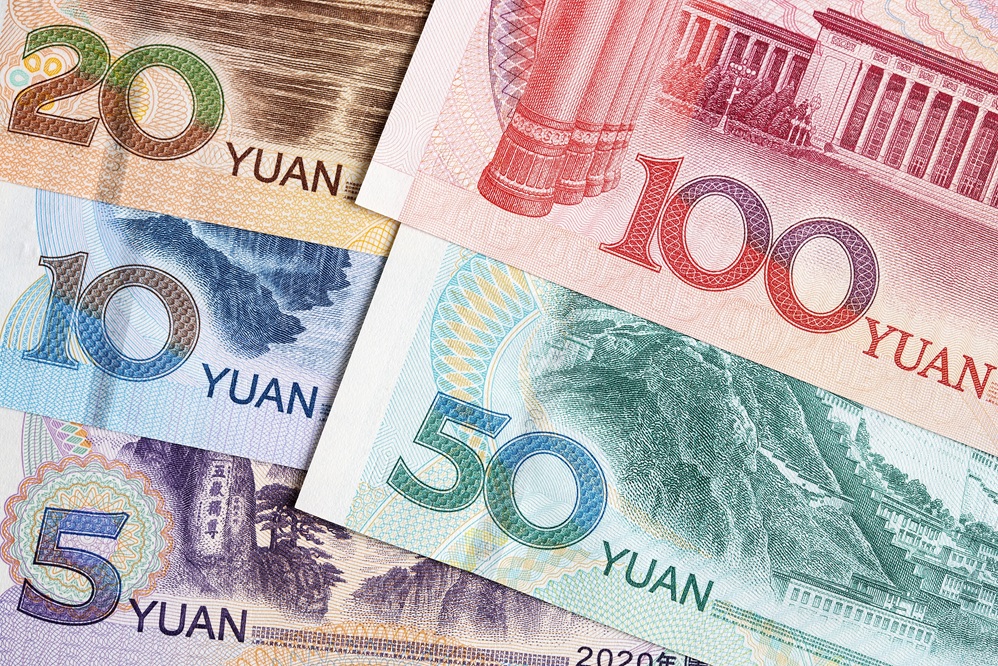
Yuan Strengthens Ahead of Policy Meetings
China’s yuan reached a fresh four-year high against the US dollar on Monday, extending its gains as weaker oil prices and lower US Treasury yields weighed on the greenback.
The onshore yuan touched 6.6682 per dollar during trading, its strongest level since June 2022, before last trading at 6.6691. If the currency maintained its gains through the late-night close, it would record an eighth consecutive session of appreciation, its longest winning streak since May.
The offshore yuan also strengthened, trading at 6.6688 per dollar, up approximately 0.01% during Asian trading.
The currency’s advance comes ahead of several important policy meetings, with investors assessing the outlook for global interest rates and China’s economic policy direction.
Central Bank Seeks to Moderate Appreciation
Before the market opened, the People’s Bank of China (PBOC) set the yuan’s daily midpoint at 6.7162 per dollar, its strongest fixing since February 2, 2023.
The midpoint was 471 pips weaker than the Reuters estimate of 6.6691, marking the largest deviation toward a weaker yuan since September 23. The onshore currency is permitted to trade within a band of 2% on either side of the official daily fixing.
Although the PBOC has gradually strengthened its daily guidance this year, its fixings have remained weaker than market expectations. Traders and analysts interpret this pattern as an effort to manage the speed of appreciation rather than allow the currency to strengthen too rapidly.
Barclays analysts said the central bank appeared focused on preventing disorderly weakness while using its daily fixing to constrain the pace of gains as the trade-weighted yuan strengthens.
This approach highlights the balance facing policymakers: allowing currency appreciation while limiting abrupt movements that could complicate broader economic management.
Analysts See Further Potential for Yuan Gains
Goldman Sachs analysts expect the yuan’s appreciation to continue gradually, arguing that market forecasts and forward pricing may underestimate the potential for further gains given what they describe as the currency’s substantial undervaluation.
The bank maintained its 12-month target of 6.40 yuan per dollar, implying further appreciation from Monday’s trading levels.
However, Goldman Sachs also cautioned that currency appreciation alone would not resolve China’s economic challenges. The analysts argued that a stronger currency would need to be accompanied by support for domestic demand to address the country’s broader economic objectives.
The distinction is important because exchange-rate strength and domestic economic growth do not necessarily move together. A stronger yuan may influence import costs and international purchasing power, but sustaining broader economic activity also depends on internal demand and policy support.
Global and Chinese Policy Decisions in Focus
Markets are preparing for meetings of the Federal Reserve, Bank of Japan and European Central Bank later this week. All three are widely expected to leave interest rates unchanged, although investors will scrutinize their communications for indications of future policy direction.
Attention is also turning to China’s fifth plenum for signals about domestic economic priorities and potential policy measures.
The combination of global monetary policy and China’s domestic policy outlook could influence the yuan’s next move. Changes in US yields, dollar sentiment and expectations for Chinese economic support will remain important variables for currency traders.
What Currency Markets Should Watch Next
The key question is whether the yuan can sustain its recent gains while the PBOC continues to manage the pace of appreciation. Upcoming central bank communications and developments from China’s policy meetings may shape expectations for interest-rate differentials, capital flows and the currency’s outlook.
Further appreciation remains possible according to Goldman Sachs’ forecast, but the sustainability of the move will also depend on domestic demand and the authorities’ tolerance for a stronger exchange rate.
Comparison, examination, and analysis between investment houses
Leave your details, and an expert from our team will get back to you as soon as possible
* This article, in whole or in part, does not contain any promise of investment returns, nor does it constitute professional advice to make investments in any particular field.
To read more about the full disclaimer, click here
- Ronny Mor
- •
- 6 Min Read
- •
- ago 1 day
SKN | Global Stocks Slip as Oil Hits Six-Month High While Technology Shares Stabilize
Global equity markets ended a volatile week on Friday with major stock indexes lower, while technology shares showed signs
- ago 1 day
- •
- 6 Min Read

Global equity markets ended a volatile week on Friday with major stock indexes lower, while technology shares showed signs

- omer bar
- •
- 6 Min Read
- •
- ago 2 days
SKN | Gold Slides Toward Three-Month Low as Oil Prices Strengthen Fed Rate-Hike Bets
Gold prices fell to a three-month low on Friday as a sharp rise in energy prices increased concerns that
- ago 2 days
- •
- 6 Min Read

Gold prices fell to a three-month low on Friday as a sharp rise in energy prices increased concerns that
- Ronny Mor
- •
- 7 Min Read
- •
- ago 2 days
SKN | Could Higher Interest Rates Add Nearly $6 Trillion to U.S. Deficits by 2036?
The U.S. government faces a growing fiscal challenge as elevated borrowing costs threaten to increase the cost of servicing
- ago 2 days
- •
- 7 Min Read

The U.S. government faces a growing fiscal challenge as elevated borrowing costs threaten to increase the cost of servicing

- Lior mor
- •
- 7 Min Read
- •
- ago 3 days
SKN | US Treasury Yields Fall Below 5% as AI Debt Concerns and Oil Prices Pressure Markets
Treasury Yields Retreat After September's Surge US Treasury yields eased this week as investors reassessed risk across equity and credit
- ago 3 days
- •
- 7 Min Read

Treasury Yields Retreat After September's Surge US Treasury yields eased this week as investors reassessed risk across equity and credit
