




- omer bar
- •
- 6 Min Read
- •
- 12 seconds ago


Key Points
- The U.S. is pressing G20 economies to address global trade imbalances, with China’s export-driven model at the center of the discussion.
- Chinese exports rose 23.9% year over year in July, while the EU’s goods trade deficit with China reached €360.6 billion last year.
- The debate is unfolding alongside a global bond selloff, rising energy-driven inflation risks and growing pressure for tighter monetary policy.
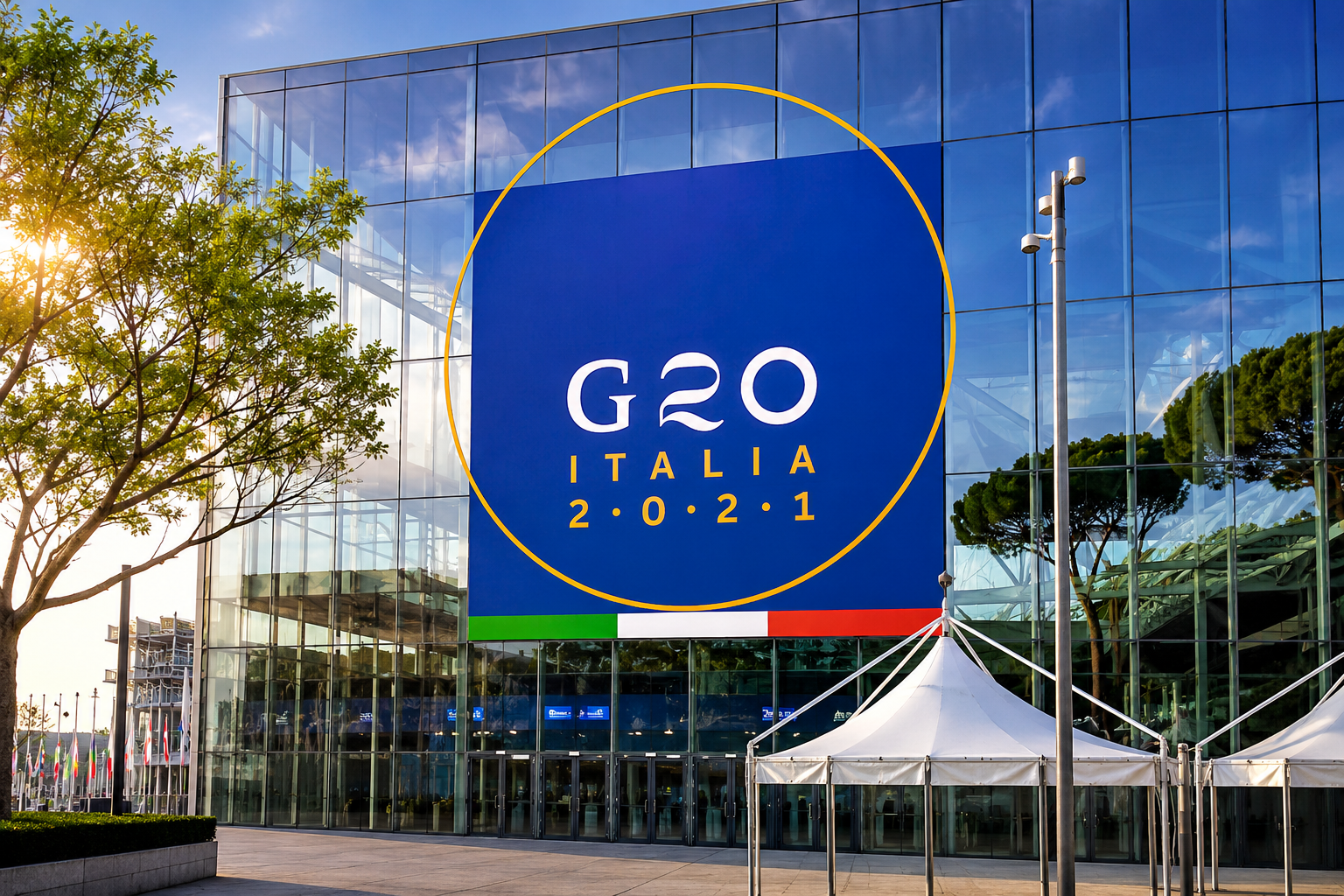
The United States is using the G20 finance ministers’ meeting in Asheville, North Carolina, to push for a broader response to global trade imbalances, arguing that China’s export-heavy economic model is diverting growth and putting pressure on domestic industries elsewhere. The debate comes at a particularly sensitive moment for global markets, with government bond yields climbing, inflation risks resurfacing and geopolitical tensions adding to economic uncertainty.
Washington Targets China’s Export Model
U.S. Treasury Secretary Scott Bessent urged G20 members to do more to protect domestic employment and industries from an influx of Chinese goods. His argument reflects a growing concern that aggressive Chinese exports are becoming a global problem as weak domestic demand encourages manufacturers to rely increasingly on overseas markets.
China’s exports increased 23.9% year over year in July, underscoring the scale of the expansion. Beijing has increasingly emphasized electric vehicles, semiconductors and other manufactured goods, while subsidies and currency policies remain major points of contention. European officials are also becoming more vocal. China’s goods trade surplus with the European Union reached €360.6 billion last year, up 15% from 2024, creating additional political pressure for Europe to respond.
Europe Faces a Difficult Balancing Act
European governments broadly acknowledge the imbalance but are less willing to accept a U.S.-led framework that places the responsibility primarily on China. European Economy Commissioner Valdis Dombrovskis argued that both the United States and Europe have roles in correcting economic distortions.
That difference matters because European policymakers are simultaneously dealing with weaker growth prospects, trade uncertainty and geopolitical risks. German Finance Minister Lars Klingbeil highlighted the economic impact of the conflict involving Iran as well as U.S. tariff disputes, warning that uncertainty damages investment and confidence.
The difficulty is translating shared concerns into coordinated policy. China opposes language that singles out “non-market economies,” while European governments want stronger references to Russia’s war in Ukraine and critical-mineral restrictions. These competing priorities could make a unified G20 statement difficult to achieve.
Bond Markets Add Pressure to the Policy Debate
The trade dispute is unfolding against a worsening global bond-market backdrop. Japan’s 10-year government bond yield reached 3% for the first time since 1996, reflecting concerns about inflation, fiscal conditions and the possibility of additional monetary tightening.
Bessent has also urged the Bank of Japan to pursue policies that support a stronger yen and has indicated that he expects Japanese authorities and the BOJ to respond to currency pressures. His discussions with BOJ Governor Kazuo Ueda could strengthen expectations for a rate increase at the September 17–18 policy meeting.
For investors, the combination of trade friction, energy inflation, currency volatility and rising sovereign yields creates a more complicated macro environment. The next phase will depend on whether G20 members can coordinate around trade rebalancing without triggering another escalation in tariffs or supply-chain restrictions.
Comparison, examination, and analysis between investment houses
Leave your details, and an expert from our team will get back to you as soon as possible
* This article, in whole or in part, does not contain any promise of investment returns, nor does it constitute professional advice to make investments in any particular field.
To read more about the full disclaimer, click here
- sagi habasov
- •
- 6 Min Read
- •
- ago 3 hours
SKN | The Bank of Israel Monetary Crossroads: Shekel Consolidates Sub-2.99 Ahead of Rate Decision as Easing Window Narrows
Systemic realignments across domestic foreign exchange clearings and sovereign yield curves initialized on September 1, 2026 under heightened market
- ago 3 hours
- •
- 6 Min Read

Systemic realignments across domestic foreign exchange clearings and sovereign yield curves initialized on September 1, 2026 under heightened market

- Ronny Mor
- •
- 6 Min Read
- •
- ago 5 hours
SKN | Euro Zone Inflation Climbs to 3.3% as Energy Shock Strengthens ECB Rate-Hike Expectations
Euro zone inflation accelerated sharply in August, rising to 3.3% from 2.9% in July and moving further above the
- ago 5 hours
- •
- 6 Min Read
Euro zone inflation accelerated sharply in August, rising to 3.3% from 2.9% in July and moving further above the
- sagi habasov
- •
- 7 Min Read
- •
- ago 17 hours
SKN | Japan’s Capital Spending Accelerates, Strengthening the Economic Outlook and BOJ Rate-Hike Case
Japan’s corporate capital spending is gathering momentum, providing a stronger foundation for economic growth and potentially strengthening the case for
- ago 17 hours
- •
- 7 Min Read

Japan’s corporate capital spending is gathering momentum, providing a stronger foundation for economic growth and potentially strengthening the case for

- orshu
- •
- 8 Min Read
- •
- ago 21 hours
SKN | Swiss Bankers See Zero Interest Rates Holding Through 2026
Switzerland's banking sector is increasingly preparing for an extended period of zero interest rates, with bankers expecting the Swiss
- ago 21 hours
- •
- 8 Min Read
Switzerland's banking sector is increasingly preparing for an extended period of zero interest rates, with bankers expecting the Swiss
