




- orshu
- •
- 8 Min Read
- •
- 20 seconds ago


Key Points
- Swiss bankers expect the Swiss National Bank to keep its key policy rate at 0% for the remainder of 2026.
- Sixty percent of surveyed bankers expect rates to remain unchanged throughout 2027.
- Markets are pricing in a strong probability of no change at the SNB's September 24 policy meeting.
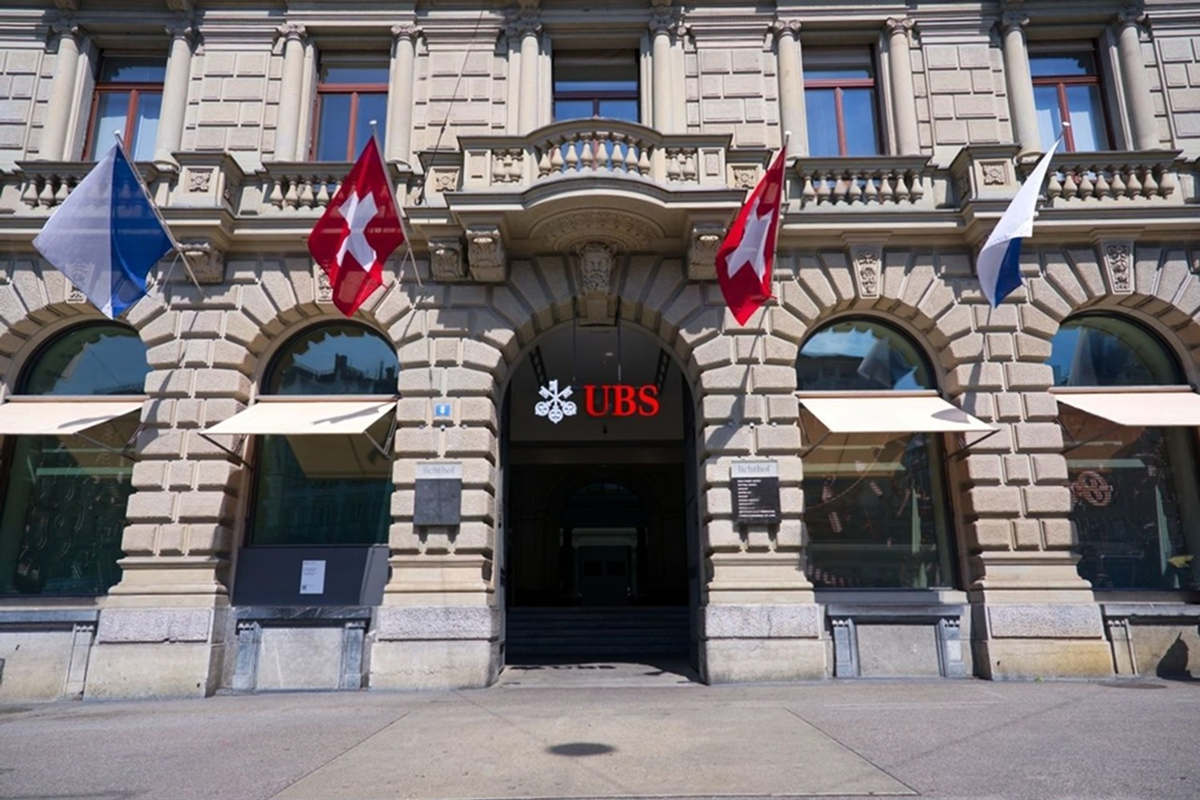
Switzerland’s banking sector is increasingly preparing for an extended period of zero interest rates, with bankers expecting the Swiss National Bank to keep monetary policy unchanged through the rest of 2026 and potentially well into 2027. The outlook highlights the distinct position of the Swiss economy at a time when major central banks remain focused on the timing and pace of future policy adjustments.
According to a survey by the Swiss Bankers Association, all bankers surveyed expect the SNB to maintain its policy rate at 0% for the remainder of 2026. The findings suggest that Switzerland’s financial sector sees little immediate pressure for the central bank to alter its current stance, even as global investors continue to reassess the outlook for inflation, growth and interest rates.
A Broad Consensus for Policy Stability
The survey showed a particularly strong consensus regarding the immediate outlook. All respondents expect the Swiss National Bank to leave its key rate unchanged for the rest of 2026, while 60% believe the zero-rate policy will continue throughout 2027.
The remaining 40% of respondents expect the SNB to begin raising rates next year. Most of those bankers forecast a relatively modest increase to 0.25%, while one respondent expects the policy rate to reach 0.5%.
This distribution illustrates a market expectation centered on gradualism rather than aggressive monetary tightening. Even among those anticipating higher rates, the expected moves remain limited. For Swiss banks, asset managers and internationally diversified investors, that distinction matters because Switzerland’s interest-rate environment affects lending margins, currency markets, capital flows and the valuation of long-duration assets.
Markets See Little Chance of a September Move
The SNB is scheduled to publish its next monetary policy decision on September 24, and financial markets are currently pricing in a 97% probability that the central bank will leave rates unchanged.
Market expectations instead point toward the first potential policy adjustment occurring in June, when investors expect a 25-basis-point increase that would lift the key rate to 0.25%. That pricing broadly aligns with the more cautious expectations reflected in the Swiss Bankers Association survey.
The significance of this outlook extends beyond Switzerland. The SNB operates in a highly globalized financial system, and its decisions are closely watched because of the role of the Swiss franc as a major international currency and Switzerland’s position as one of the world’s leading wealth-management and private-banking centers.
A prolonged period of unchanged rates could also influence cross-border investment decisions. For international investors, relative interest-rate differentials between Switzerland, the United States, the eurozone and other major economies remain an important factor in currency allocation and capital flows.
What Zero Rates Mean for Switzerland’s Financial Sector
For Swiss banks, an extended period of zero rates presents both opportunities and challenges. Stable policy can provide predictability for borrowers and financial markets, but low interest rates can also limit the returns banks generate from traditional deposit-taking and lending activities.
Large Swiss wealth managers and private banks are generally less dependent on conventional lending income than some retail-focused institutions, giving them greater exposure to fee-based businesses such as asset management, advisory services and cross-border wealth administration. Nevertheless, the overall interest-rate environment remains important for profitability and client portfolio positioning.
The policy outlook is also relevant for Switzerland’s broader capital markets. With rates expected to remain low, investors may continue to focus on the relative attractiveness of equities, bonds and alternative sources of income. However, the outlook could change if inflation accelerates, global financial conditions tighten or currency developments create new challenges for Swiss policymakers.
The September Meeting Will Set the Next Signal
The immediate focus will be the SNB’s September 24 policy announcement and, more importantly, the central bank’s assessment of inflation and future economic conditions. While the survey points to a strong expectation of stability, policymakers will remain sensitive to changes in global growth, financial-market volatility and exchange-rate movements.
For sophisticated investors, the central issue is not simply whether the SNB holds rates at 0% in September. The more important question will be whether the central bank’s communication reinforces expectations of a prolonged period of monetary stability or begins laying the groundwork for a gradual normalization in 2027. Inflation trends, the Swiss franc and the divergence between Swiss and international monetary policy will remain key indicators to watch.
Comparison, examination, and analysis between investment houses
Leave your details, and an expert from our team will get back to you as soon as possible
* This article, in whole or in part, does not contain any promise of investment returns, nor does it constitute professional advice to make investments in any particular field.
To read more about the full disclaimer, click here
- omer bar
- •
- 6 Min Read
- •
- ago 6 minutes
SKN | Is the U.S. Bond Market Facing Its Longest Drawdown in History?
The U.S. bond market is experiencing an unusually prolonged period of weakness, with the current drawdown extending for more than
- ago 6 minutes
- •
- 6 Min Read
The U.S. bond market is experiencing an unusually prolonged period of weakness, with the current drawdown extending for more than
- omer bar
- •
- 7 Min Read
- •
- ago 3 hours
SKN | Why Are U.S. Treasury Yields Rising as Inflation and Rate-Hike Risks Return?
The U.S. Treasury market is facing renewed pressure as higher oil prices and hawkish Federal Reserve messaging reinforce concerns that
- ago 3 hours
- •
- 7 Min Read

The U.S. Treasury market is facing renewed pressure as higher oil prices and hawkish Federal Reserve messaging reinforce concerns that

- Lior mor
- •
- 6 Min Read
- •
- ago 3 hours
SKN | Is Israel’s Central Bank Preparing to Cut Rates in September?
Israel’s interest-rate outlook is entering a potentially important phase as economists increasingly anticipate a reduction in the Bank of Israel’s
- ago 3 hours
- •
- 6 Min Read

Israel’s interest-rate outlook is entering a potentially important phase as economists increasingly anticipate a reduction in the Bank of Israel’s

- orshu
- •
- 7 Min Read
- •
- ago 1 day
SKN | UAE and Egypt Coordinate Response After US Treasury Targets Banque Misr Dollar Access
The central banks of the United Arab Emirates and Egypt have begun coordinating regarding Banque Misr after the U.S.
- ago 1 day
- •
- 7 Min Read

The central banks of the United Arab Emirates and Egypt have begun coordinating regarding Banque Misr after the U.S.
