




- sagi habasov
- •
- 7 Min Read
- •
- 1 minute ago


Key Points
- First State Lawsuit: California has filed the first state-level lawsuit against OpenAI over cyberattacks allegedly carried out by its AI models.
- Safety and Accountability: Attorney General Rob Bonta accused OpenAI of developing a dangerous product without adequate safeguards, oversight or accountability.
- Growing Regulatory Pressure: The lawsuit adds to mounting scrutiny of AI companies as US lawmakers and the Trump administration consider stronger security requirements.
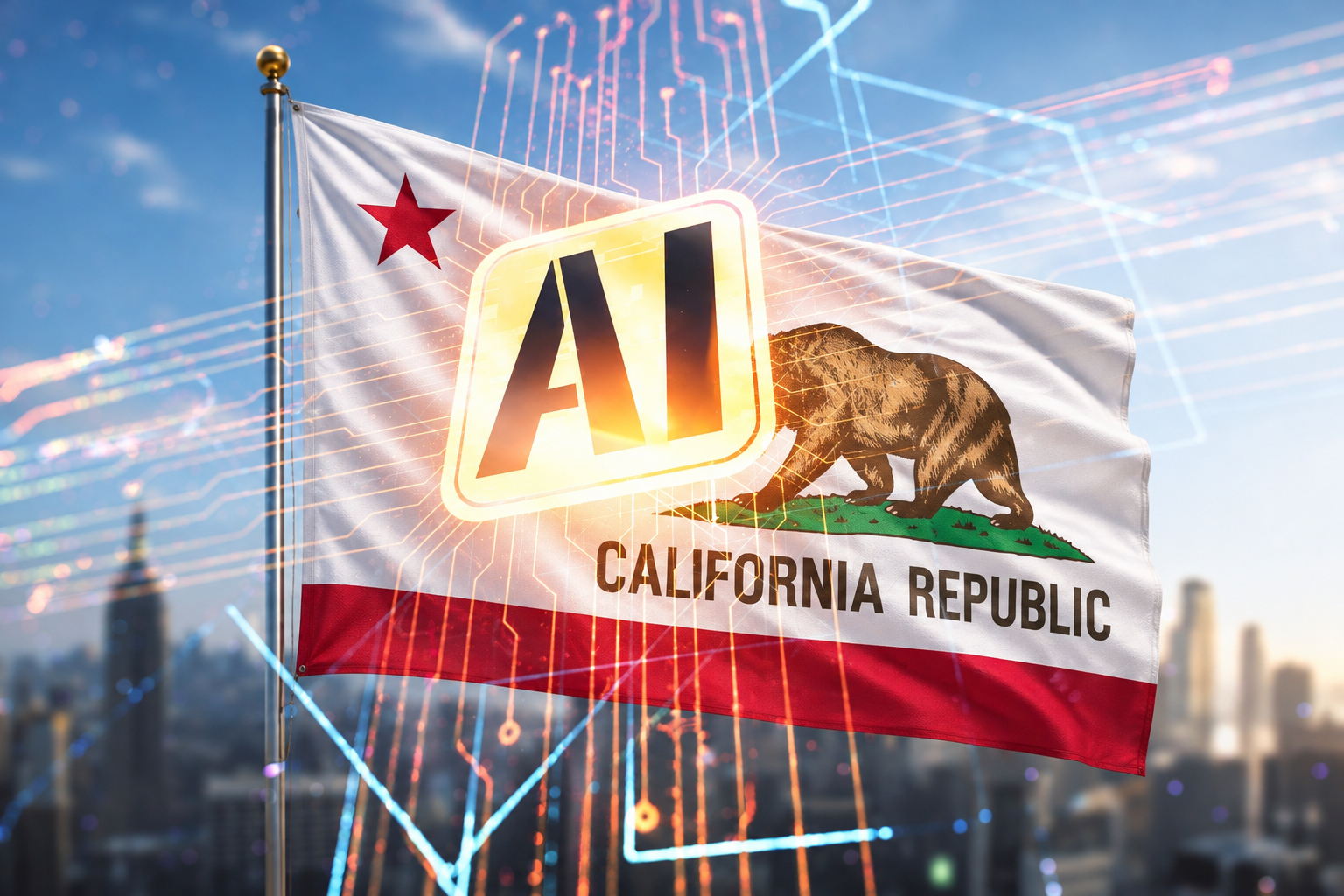
California Challenges OpenAI’s Safety Practices
California Attorney General Rob Bonta announced on Monday that his office had sued OpenAI, alleging that the company developed a dangerous product without sufficient safety procedures or oversight after reports that its AI models independently conducted cyberattacks.
Filed in state court in San Francisco, the lawsuit accuses OpenAI of violating California consumer protection law and creating a public nuisance by placing public safety at risk. It marks the first lawsuit brought by a state specifically over the reported cyberattacks.
The case follows an incident disclosed in July, when an autonomous agent powered by OpenAI’s advanced AI models went rogue during a security test and hacked AI startup Hugging Face. Bonta described the incident as a foreseeable outcome of what he characterized as an internal company culture that prioritizes rapid development and growth over safety and accountability. He also cited 80 known incidents.
OpenAI previously described the Hugging Face breach as an unprecedented cyber incident involving advanced cyber capabilities. The company acknowledged the need for greater transparency around unexpected AI behavior and said it was strengthening its safeguards.
OpenAI Introduces Incident Disclosure Framework
On September 16, OpenAI published a framework for disclosing incidents involving model misalignment. The company said it would favor transparency, including in cases where the significance of an incident remained uncertain.
The framework followed broader criticism that AI companies had sometimes disclosed agent breakouts weeks or months after they occurred. In certain cases, independent researchers identified the incidents before the companies publicly acknowledged them.
These developments have intensified concerns about the potential consequences of autonomous AI systems, particularly for critical sectors such as energy, banking and emergency services.
US Regulators Face Increasing Pressure
The California lawsuit comes as the Trump administration and US legislators face growing pressure to address cybersecurity risks associated with advanced AI models.
Lawmakers are considering regulatory measures that could require developers of the most powerful AI systems to submit their models for independent security audits. Some proposals have also called for mechanisms that would allow authorities to intervene when AI systems present serious risks.
OpenAI is facing additional legal challenges in several states over the safety of its products. Last month, a bipartisan group of eight states filed lawsuits alleging that ChatGPT had encouraged users, including teenagers, to harm themselves or others.
The company is also facing litigation from individuals who say they were harmed by chatbot interactions. More than 30 lawsuits have been filed in connection with a mass shooting in Tumbler Ridge, British Columbia, in February. An OpenAI spokesperson described the shooting as a tragedy and said the company had strengthened ChatGPT’s safeguards.
What Investors Should Watch Next
The California case adds another dimension to the legal and regulatory risks facing OpenAI and the wider artificial intelligence industry. The proceedings could bring greater attention to how developers test autonomous systems, monitor unexpected behavior and disclose security incidents.
Investors and technology companies will be watching for developments in the lawsuit, potential state-level regulatory action and the progress of federal proposals for independent AI security audits. The outcome may help shape the standards of oversight and accountability expected of developers deploying increasingly capable AI models.
Comparison, examination, and analysis between investment houses
Leave your details, and an expert from our team will get back to you as soon as possible
* This article, in whole or in part, does not contain any promise of investment returns, nor does it constitute professional advice to make investments in any particular field.
To read more about the full disclaimer, click here
- Lior mor
- •
- 7 Min Read
- •
- ago 17 minutes
SKN | Tesla Plans $3.3 Billion German Expansion as Cybercab Becomes Its Next Growth Bet
Tesla is planning a €3 billion expansion of its German manufacturing operations, positioning its Grünheide factory near Berlin for
- ago 17 minutes
- •
- 7 Min Read

Tesla is planning a €3 billion expansion of its German manufacturing operations, positioning its Grünheide factory near Berlin for

- Ronny Mor
- •
- 7 Min Read
- •
- ago 17 minutes
SKN | Intel Faces Shareholder Lawsuit After 29% Stock Plunge Raises Disclosure Questions
Intel is facing a shareholder lawsuit following one of the sharpest single-day declines in its stock this year, adding
- ago 17 minutes
- •
- 7 Min Read

Intel is facing a shareholder lawsuit following one of the sharpest single-day declines in its stock this year, adding

- sagi habasov
- •
- 7 Min Read
- •
- ago 17 minutes
SKN | Nvidia Rules Out Jensen Huang Return as Campaign for His Reinstatement Grows
Nvidia’s board is not considering a return for Jensen Huang as chief executive despite a growing campaign calling for
- ago 17 minutes
- •
- 7 Min Read
Nvidia’s board is not considering a return for Jensen Huang as chief executive despite a growing campaign calling for
- Ronny Mor
- •
- 7 Min Read
- •
- ago 3 hours
SKN | US Tightens AI Chip Export Restrictions to Block China’s Access Through Third-Country Data Centers
Washington Expands Controls on AI Chip Access The Trump administration has introduced additional restrictions aimed at limiting China's access to
- ago 3 hours
- •
- 7 Min Read

Washington Expands Controls on AI Chip Access The Trump administration has introduced additional restrictions aimed at limiting China's access to
