





- sagi habasov
- •
- 6 Min Read
- •
- 37 seconds ago


Key Points
- The British Pound Currency Index (^XDB), which measures the overall strength of the UK currency against major world currencies, rose by 0.22% (0.29 points) today to close at 132.46, despite being down 1.10% over the past week.
- During the day, the index opened at 132.51 and traded between a low of 132.29 and a high of 132.64, finishing above its previous close of 132.17.
- Over the past year (52 weeks), the index has moved between a low of 130.09 and a high of 138.64, placing today's price in the middle-to-lower portion of its annual range.
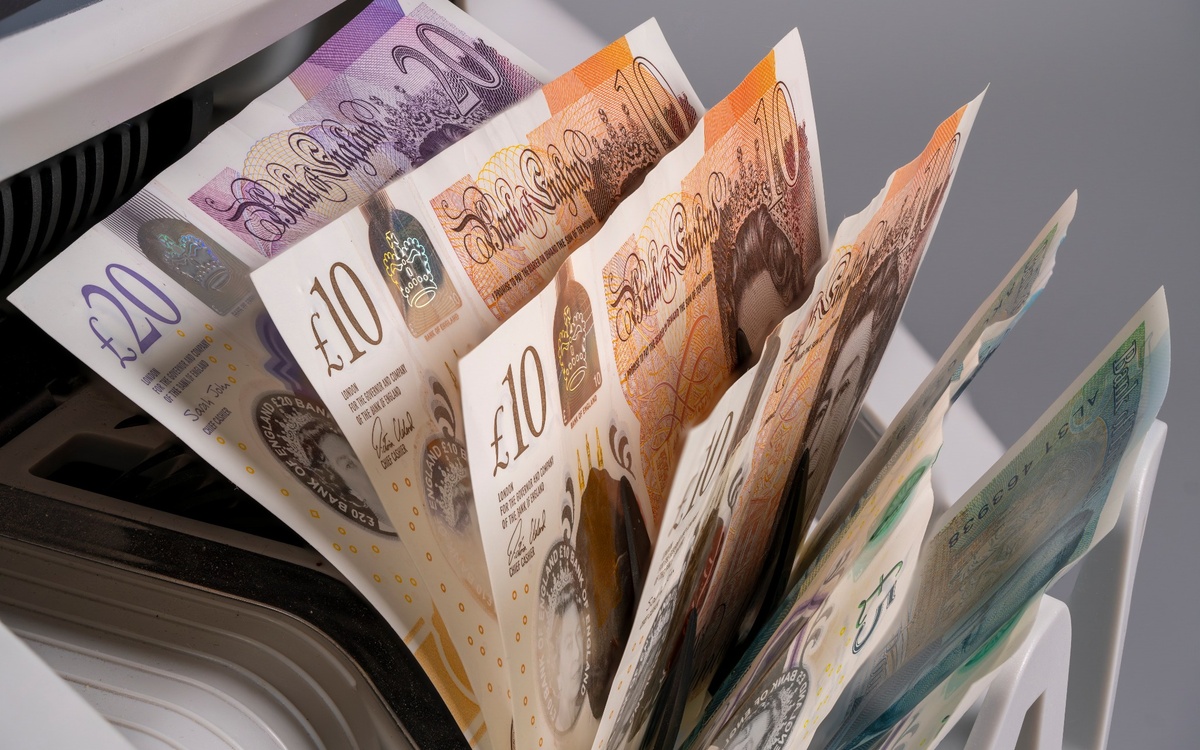
The British Pound Currency Index (^XDB) ended its trading session on September 25, 2026, with a small gain, rising 0.22% (0.29 points) to settle at 132.46. This daily increase helped cushion a 5-day weekly decline of 1.10%. Simply put, this index works like a scoreboard for the British Pound—showing whether the UK’s money is gaining or losing value overall compared to other international currencies like the US Dollar and Euro. Investors around the world—including financial managers in Israel who oversee multi-currency portfolios—track this index to see how changing currency values might affect international business and investments.
How the Pound Traded Today and Its Year-Long Range
Throughout the September 25 trading day, the index opened at 132.51 and moved within a steady channel between a floor of 132.29 and a peak of 132.64, before settling up 0.29 points (or 0.22%) compared to yesterday’s close of 132.17. Towards the end of the session, price levels settled near 132.49. Looking over the broader 52-week period (one full year), the pound index has traded between a low point of 130.09 and a high point of 138.64. Today’s close at 132.46 shows that while the pound has pulled back from its annual highs, it remains solidly above its lowest levels of the year.
What Is Driving the Value of the British Pound?
The main factor moving the British Pound is the interest rate policy set by the Bank of England (the UK’s central bank). When central banks keep interest rates higher, holding that country’s currency can yield higher returns, making it more attractive to international investors. Conversely, when economic growth slows down or when central banks in other countries raise their own rates, demand for the pound can cool off. Global investors constantly compare these interest rates and economic reports across the UK, Europe, and the United States to decide where to place their money.
Why Currency Values Matter to Everyday Readers and Investors
Changes in a country’s currency value have real-world impacts. A stronger pound makes imported goods and foreign travel cheaper for UK residents, while a weaker pound makes UK products more affordable for overseas buyers. For international investment managers balancing money across different currencies—such as British Pounds, US Dollars, Euros, or Israeli Shekels—tracking these fluctuations helps protect portfolio values against unexpected currency losses.
Outlook: The short-term outlook for the British Pound Index suggests a period of steady sideways trading within a comfortable range. For the index to push higher toward its annual peak of 138.64, the UK economy will likely need stronger economic growth reports or continued high interest rates from the Bank of England. On the other hand, if global economic conditions soften, the pound could drop back toward its lower floor of 130.09. For now, technical signals indicate the index is holding a stable baseline.
Comparison, examination, and analysis between investment houses
Leave your details, and an expert from our team will get back to you as soon as possible
* This article, in whole or in part, does not contain any promise of investment returns, nor does it constitute professional advice to make investments in any particular field.
To read more about the full disclaimer, click here
- orshu
- •
- 6 Min Read
- •
- ago 33 minutes
SKN | Euronext 100 Index (^N100) Advances 0.29% Daily to 1,895.33 as 0.75% Weekly Gain Holds Above 1,890 Low
The Euronext 100 Index (^N100) finished the trading session on September 25, 2026, higher, advancing 0.29% (5.45 points) to
- ago 33 minutes
- •
- 6 Min Read
The Euronext 100 Index (^N100) finished the trading session on September 25, 2026, higher, advancing 0.29% (5.45 points) to

- Ronny Mor
- •
- 6 Min Read
- •
- ago 2 hours
SKN | DAX P (^GDAXI) Advances 0.56% Daily to 25,408.64 as 0.41% Weekly Gain Holds Above 25,347 Low
The DAX P Index (^GDAXI) finished the trading session on September 25, 2026, higher, advancing 0.56% (142.11 points) to
- ago 2 hours
- •
- 6 Min Read

The DAX P Index (^GDAXI) finished the trading session on September 25, 2026, higher, advancing 0.56% (142.11 points) to

- omer bar
- •
- 7 Min Read
- •
- ago 3 hours
SKN | MSCI Europe Index (^125904-USD-STRD) Advances 0.57% Daily to 2,773.10: Are European Equities Stabilizing Above Core Support Following a 1.04% 5-Day Contraction?
The MSCI Europe Index (^125904-USD-STRD) demonstrated localized holding pattern behavior across recent European trading sessions, advancing 0.57% (15.80 points)
- ago 3 hours
- •
- 7 Min Read

The MSCI Europe Index (^125904-USD-STRD) demonstrated localized holding pattern behavior across recent European trading sessions, advancing 0.57% (15.80 points)

- Lior mor
- •
- 6 Min Read
- •
- ago 3 hours
SKN | VIX Holds Near 15 as Weekly Volatility Remains Contained Despite Midweek Market Swings
The Cboe Volatility Index (VIX) finished Friday at 14.87, falling 5.11% during the session while recording a marginal 0.41%
- ago 3 hours
- •
- 6 Min Read
The Cboe Volatility Index (VIX) finished Friday at 14.87, falling 5.11% during the session while recording a marginal 0.41%

