




- Ronny Mor
- •
- 9 Min Read
- •
- 13 seconds ago


Key Points
- Boeing shares fell 9.6% after the company delayed its 737 production targets and forecast a slower improvement in free cash flow than analysts expected.
- The manufacturer now expects to reach 47 737 aircraft per month in early 2027 and its $10 billion free cash flow target in 2029, while supplier and manufacturing constraints continue to affect production.
- Defense and services delivered stronger margins, and net debt declined to $25.2 billion. However, commercial aircraft losses and weaker cash flow expectations remain important challenges for the company’s recovery.
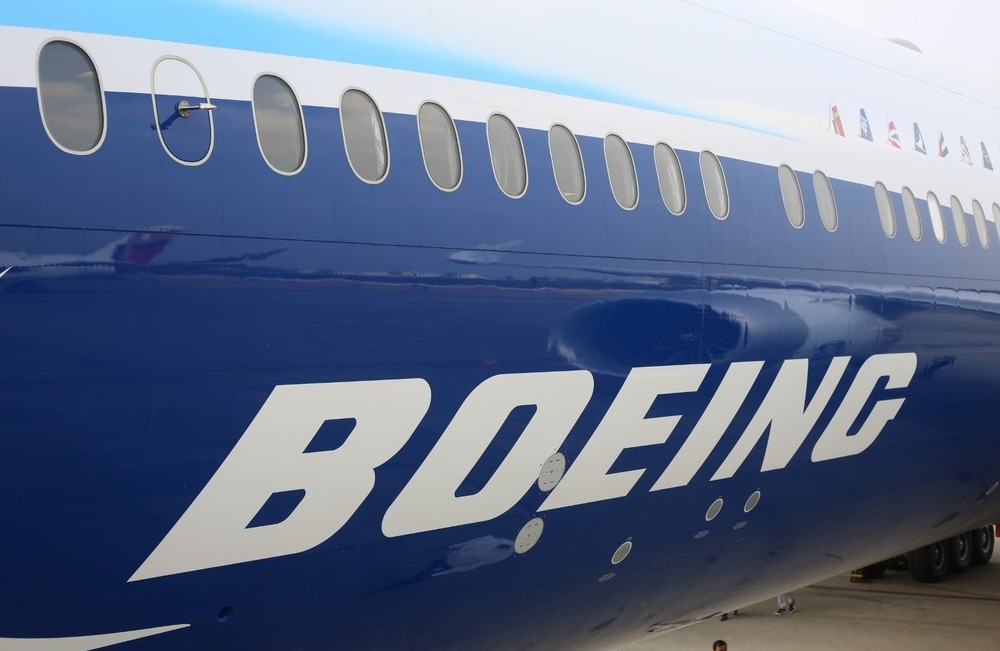
Boeing Shares Slide on Weaker Financial Outlook
Boeing shares fell sharply on Tuesday after the aircraft manufacturer lowered expectations for its production recovery and projected slower free cash flow growth than analysts had anticipated. The setbacks raised concerns about the pace of the company’s financial recovery following years of manufacturing problems, operational disruptions and elevated debt.
Chief Executive Kelly Ortberg said Boeing would miss its 737 production and aircraft delivery targets for 2026. The company now expects to reach its target production rate of 47 737 aircraft per month in early 2027, later than previously planned.
Boeing also expects to reach its $10 billion free cash flow target in 2029, one year later than investors had anticipated. Its shares fell 9.6% to $170.23 in afternoon trading, putting the stock on track for its steepest daily decline since April 2025.
The company reported an adjusted loss of $0.34 per share for the quarter ended in September, compared with analysts’ expectations for a loss of $0.21 per share.
Production Constraints Delay the Recovery
Boeing’s production challenges continue to limit its ability to increase deliveries and strengthen cash generation. The company will not reach its target of delivering 500 aircraft this year, according to Chief Financial Officer Jay Malave.
Wing production remains a major constraint, while Boeing is also working to increase output at its new 737 assembly line in Everett, Washington, and at the former Spirit AeroSystems facility in Wichita, Kansas. Boeing acquired Spirit last year partly to address persistent manufacturing defects.
The company is currently producing fuselages at a lower rate while drawing down existing inventory. It now needs to increase production in Wichita to align component output with its planned aircraft assembly rate.
Boeing intends to raise 737 production to 52 aircraft per month in the second half of 2027. However, achieving that target will depend on improvements across its manufacturing and supplier network.
Additional challenges remain in the 787 program, while a supplier dispute has disrupted wing production for the 777 freighter and 767 programs, including the KC-46 aerial refueling tanker. Although shipments for wing production have resumed, Boeing expects the disruption to affect results over the coming quarters.
Free Cash Flow Remains a Key Investor Concern
Boeing generated $464 million in free cash flow during the latest quarter but has recorded a cumulative cash outflow of $359 million so far this year. Management continues to expect approximately $2 billion in free cash flow for the full year.
For 2027, the company is projected to generate $3 billion, below Wall Street’s consensus estimate of $5.5 billion. Lower aircraft deliveries and higher capital investment are expected to weigh on cash generation.
The delay in reaching its longer-term free cash flow target is particularly significant as Boeing continues to rebuild its financial position. The company ended the quarter with $25.2 billion in net debt, down from $25.9 billion in the previous quarter and $30.4 billion a year earlier.
Investors are closely monitoring the recovery in cash generation because aircraft deliveries remain a major source of cash for Boeing’s commercial operations. Any further delays in production improvements could postpone the expected financial benefits of its recovery plan.
Defense and Services Divisions Provide Support
Boeing’s commercial aircraft division continued to face operating pressure. Revenue declined slightly to $10.7 billion, while the division recorded an operating loss of $697 million and a negative operating margin of 6.5%. This represented an improvement from a negative margin of 48.3% a year earlier, although less profitable deliveries and higher supply-chain costs continued to weigh on performance.
The defense division delivered stronger results, supported by higher deliveries, improved operational performance and a $252 million sale of subsidiary HRL Laboratories. Quarterly earnings approached $500 million, with an operating margin of 6.2%, compared with 1.7% a year earlier.
Boeing Global Services generated $1 billion in earnings and achieved an operating margin of 18.3%, providing another source of support as the commercial aircraft business works through production difficulties.
Recent regulatory certifications for the 737 MAX 7 and MAX 10, alongside Boeing’s success in securing a US Navy fighter contract, represent positive developments. However, these achievements have not offset investor concerns about near-term production and cash flow.
What Investors Should Watch Next
Boeing’s recovery will depend on its ability to increase aircraft production without compromising manufacturing quality, resolve supplier bottlenecks and convert its delivery backlog into stronger cash generation. Progress toward the 2027 production targets will be an important indicator of whether the company can meet its revised financial expectations.
Investors will also monitor free cash flow, capital expenditure and debt reduction. Stronger performance in defense and services may provide support, but sustained improvement in commercial aircraft production remains central to Boeing’s longer-term financial recovery.
Comparison, examination, and analysis between investment houses
Leave your details, and an expert from our team will get back to you as soon as possible
* This article, in whole or in part, does not contain any promise of investment returns, nor does it constitute professional advice to make investments in any particular field.
To read more about the full disclaimer, click here
- Lior mor
- •
- 7 Min Read
- •
- ago 6 hours
SKN | Big Tech Earnings to Test AI Boom as Rising Costs and Market Turmoil Weigh on Investors
Earnings Put AI Investment Under the Microscope Quarterly results from Amazon, Microsoft and Alphabet are expected to provide an important
- ago 6 hours
- •
- 7 Min Read

Earnings Put AI Investment Under the Microscope Quarterly results from Amazon, Microsoft and Alphabet are expected to provide an important
- Lior mor
- •
- 8 Min Read
- •
- ago 9 hours
SKN | Meta Raises Planned Equity Fundraising to $97.5 Billion to Finance AI Expansion
Meta Expands Its Equity Financing Strategy Meta Platforms announced on Tuesday that it had increased its planned equity fundraising to
- ago 9 hours
- •
- 8 Min Read
Meta Expands Its Equity Financing Strategy Meta Platforms announced on Tuesday that it had increased its planned equity fundraising to

- Ronny Mor
- •
- 8 Min Read
- •
- ago 2 days
SKN | AI Spending Concerns Threaten Big Tech Earnings as Investors Demand Clear Returns
The upcoming earnings reports from Alphabet, Microsoft and Amazon arrive at a sensitive point for technology stocks. The three companies
- ago 2 days
- •
- 8 Min Read

The upcoming earnings reports from Alphabet, Microsoft and Amazon arrive at a sensitive point for technology stocks. The three companies

- omer bar
- •
- 7 Min Read
- •
- ago 2 days
SKN | Audi Defends Planned $4 Billion Georgia Factory Amid Tariff and Labor Concerns
Audi Defends Its US Expansion Plans Audi Chief Executive Gernot Döllner defended the company's planned $4 billion investment in a
- ago 2 days
- •
- 7 Min Read

Audi Defends Its US Expansion Plans Audi Chief Executive Gernot Döllner defended the company's planned $4 billion investment in a
