


- sagi habasov
- •
- 6 Min Read
- •
- 2 months ago
Key Points
- Dow, S&P 500, and Nasdaq futures fluctuate as energy markets respond to potential U.S. and Iranian actions targeting energy infrastructure.
- Rising oil prices heighten volatility, affecting equities sensitive to energy costs and geopolitical risk.
- Investors are closely monitoring Middle East developments, with implications for U.S. energy, inflation, and market sentiment.
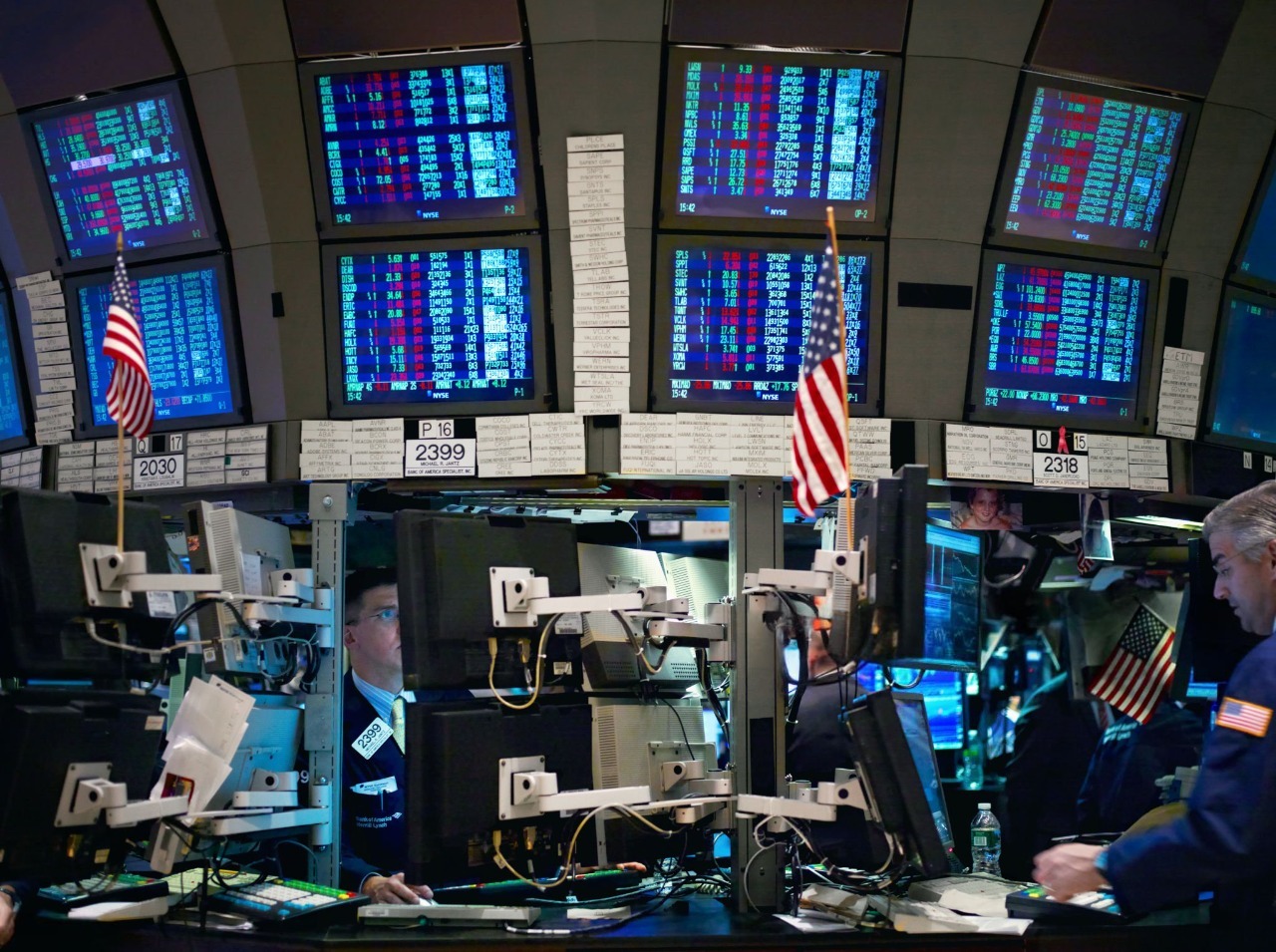
U.S. stock futures wavered on Monday as crude oil prices climbed amid renewed geopolitical tension between the United States and Iran over energy infrastructure targets. Investors are weighing the potential impact of disruptions on global supply chains, corporate earnings, and broader market sentiment, with volatility in energy markets spilling over into equity futures. The backdrop of rising oil adds pressure to inflation expectations and complicates forecasts for industrial and consumer sectors.
Futures React to Rising Oil and Geopolitical Risks
Dow Jones, S&P 500, and Nasdaq futures showed uneven movement in early trading, reflecting market caution. The fluctuations follow reports that both the U.S. and Iran are considering actions that could affect oil production or transportation, fueling uncertainty in commodities and financial markets. Oil prices rose above $85 per barrel for Brent crude, marking a notable increase from last week’s levels, signaling heightened risk premiums and volatility in energy-sensitive sectors.
Analysts note that energy and industrial stocks are particularly exposed, with higher fuel costs potentially pressuring margins for transportation, manufacturing, and logistics companies. The uncertainty surrounding potential disruptions adds a layer of caution for traders, who are balancing the prospects of stable corporate earnings against geopolitical risk.
Impact on Equities and Market Sentiment
Equity futures are showing increased sensitivity to energy developments, illustrating the broader market’s link to commodities and macro risks. S&P 500 futures drifted within a narrow range, while Nasdaq contracts displayed modest losses, influenced by potential ripple effects on technology and industrial supply chains. Volatility indices have edged higher, reflecting investor caution as traders price in geopolitical uncertainties alongside domestic economic data.
Market participants also monitor how higher oil costs could affect consumer spending, inflation expectations, and corporate profit margins. Energy producers may benefit from rising prices, but broader indices could experience pressure if costs ripple through supply chains or if investors seek safer assets in response to geopolitical developments.
Geopolitical Implications and Energy Market Dynamics
The U.S.–Iran standoff highlights the fragility of key energy supply routes in the Middle East, particularly around the Strait of Hormuz, a critical chokepoint for global oil shipments. Any escalation or attack on energy infrastructure could tighten global supply and elevate crude prices further, impacting global markets and economic growth. Traders are factoring in potential U.S. and Iranian measures that may influence regional security and global commodity flows.
For investors in Israel and globally, the situation underscores the importance of monitoring energy infrastructure risks, political developments in the Middle East, and the potential for rapid market reactions. The balance between energy security and geopolitical maneuvering remains a key driver of volatility in commodities and equities alike.
Looking Ahead: Monitoring Volatility and Strategic Risks
Investors will continue to track crude prices, futures performance, and diplomatic signals from the U.S. and Iran, as these factors will heavily influence short-term market direction. Key areas to watch include developments in oil transport, potential sanctions or countermeasures, and corporate exposure to energy costs. Risk management strategies and close attention to market signals will be critical for navigating potential volatility in the coming sessions.
Comparison, examination, and analysis between investment houses
Leave your details, and an expert from our team will get back to you as soon as possible
* This article, in whole or in part, does not contain any promise of investment returns, nor does it constitute professional advice to make investments in any particular field.
To read more about the full disclaimer, click here
- orshu
- •
- 6 Min Read
- •
- ago 20 hours
SKN | Silver’s Long-Term Outlook: What Could Shape Prices Over the Next Decade?
Silver is regaining attention among global investors as long-term demand trends intersect with ongoing geopolitical uncertainty, energy-transition spending, and
- ago 20 hours
- •
- 6 Min Read

Silver is regaining attention among global investors as long-term demand trends intersect with ongoing geopolitical uncertainty, energy-transition spending, and

- Ronny Mor
- •
- 6 Min Read
- •
- ago 21 hours
SKN | Gold’s Long-Term Outlook: Could Bullion Really Reach $6,000 by 2026?c
Gold markets are once again drawing global investor attention as bullish long-term forecasts raise the possibility of bullion reaching
- ago 21 hours
- •
- 6 Min Read

Gold markets are once again drawing global investor attention as bullish long-term forecasts raise the possibility of bullion reaching

- sagi habasov
- •
- 8 Min Read
- •
- ago 1 day
SKN | Oil Climbs and Global Stocks Turn Mixed as New US Strikes Weaken Middle East Peace Optimism
Global financial markets shifted into a more cautious tone after reports of new US military strikes in the Middle East
- ago 1 day
- •
- 8 Min Read

Global financial markets shifted into a more cautious tone after reports of new US military strikes in the Middle East

- Lior mor
- •
- 7 Min Read
- •
- ago 2 days
SKN | Can Gold Sustain Its Rebound as US-Iran Talks Weigh on Oil and the Dollar?
Gold prices rebounded sharply at the start of the week as investors reassessed geopolitical risks surrounding the Middle East and
- ago 2 days
- •
- 7 Min Read

Gold prices rebounded sharply at the start of the week as investors reassessed geopolitical risks surrounding the Middle East and


